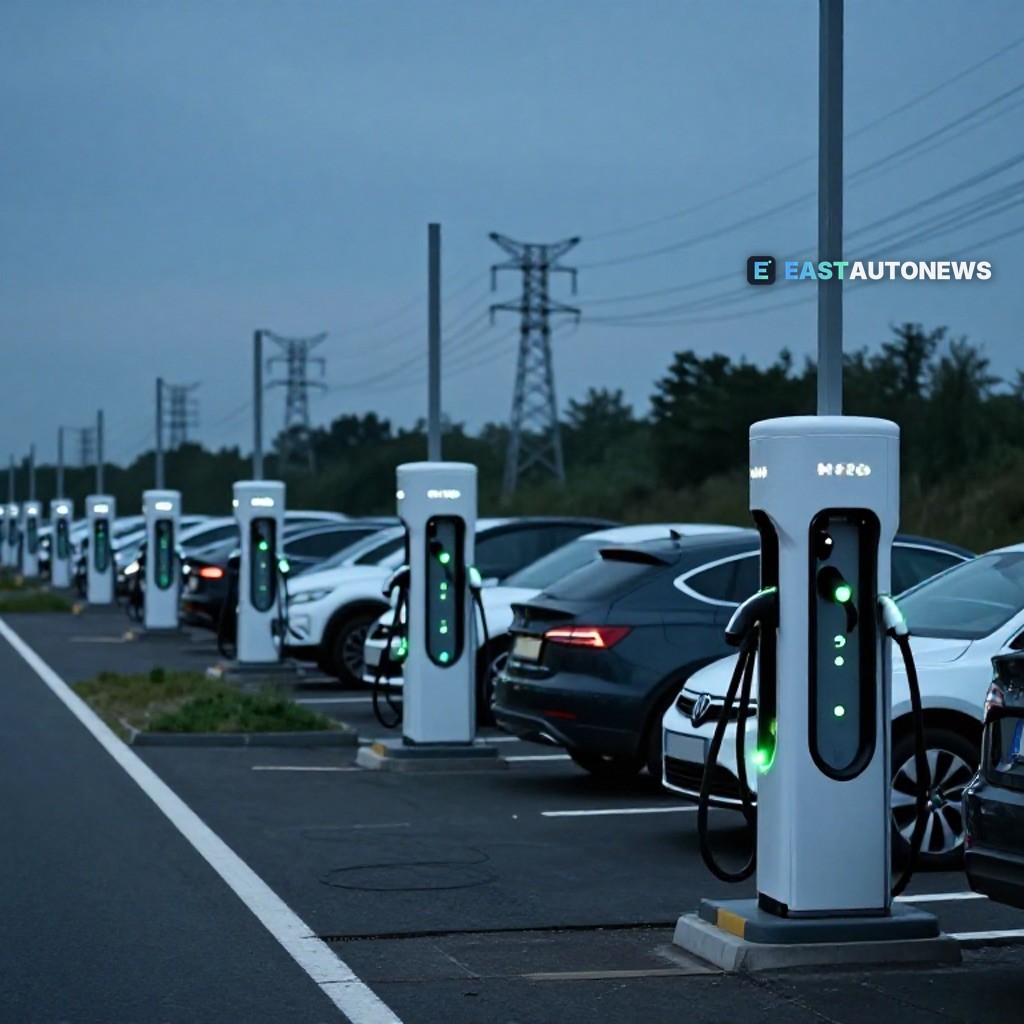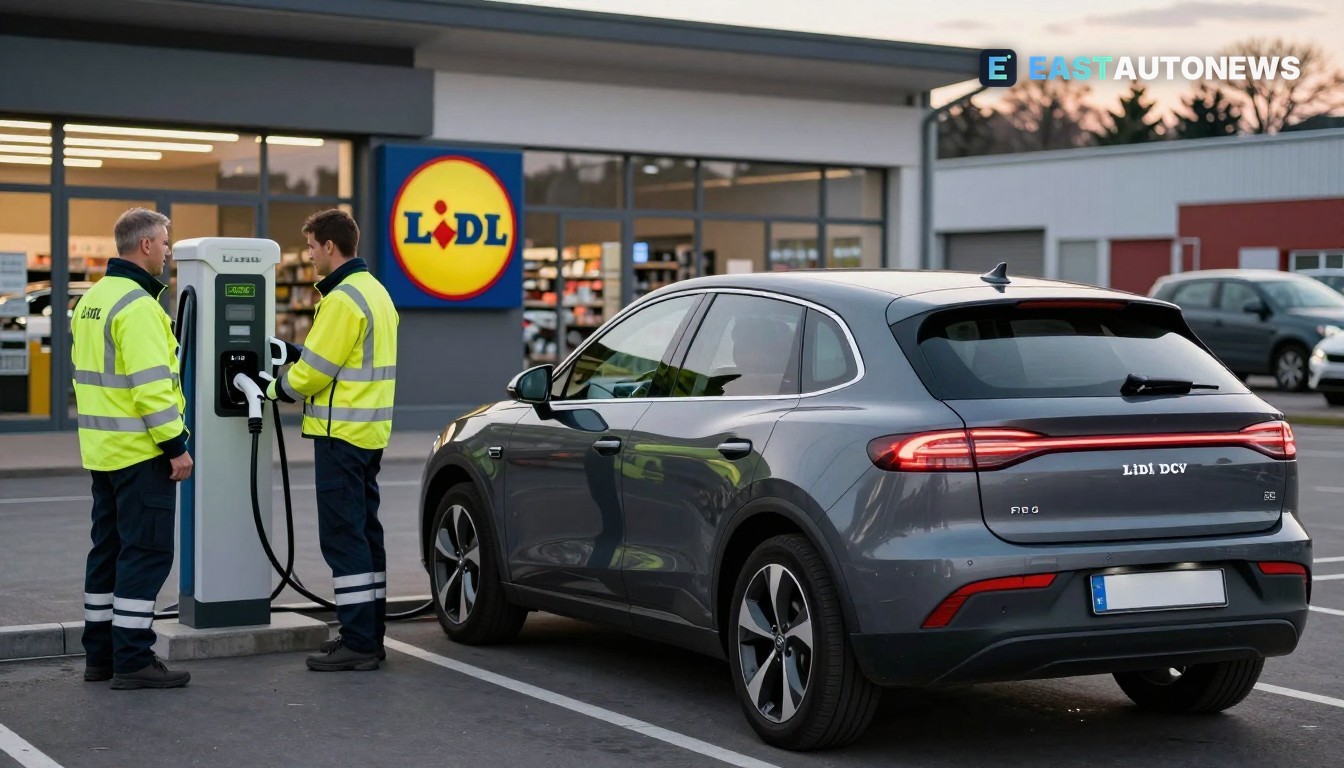
Poles searching for “ładowanie ev lidl” are looking for how to charge an electric car at Lidl — and the practical answer is: Lidl operates a broad public charging network across Poland, with several hundred locations and roughly 1,500–2,100 connector points recorded in the official EIPA register. Median ad‑hoc prices reported for Lidl chargers are c. 1.85 zł/kWh for AC and c. 2.40 zł/kWh for DC. These figures come from independent charging databases that import EIPA/UDT data (snapshots dated in November 2026).
How to start charging at Lidl
There are three common ways to begin a charging session at Lidl sites: via the Lidl app (the e‑mobility section and QR code on the charger), by selecting a roaming provider shown on the charger screen (Lidl’s regulations list ChargePoint Austria as a roaming partner), or directly at the charge point interface when it accepts ad‑hoc payment. Lidl’s user rules (Regulamin) specify that customers can start a session by selecting a station in the app or scanning the QR code on the unit; the operator identified in the regulations is Lidl sp. z o.o. sp.k., and the Lidl app / Lidl Plus account is used for in‑app payments and session control.
Network scale, prices and equipment
Independent aggregator sites that copy EIPA (UDT) records show Lidl running several hundred public charging stations across Poland. Different snapshots in November 2026 report slightly different counts because operators update the register at different times: one public tracker lists about 608 public Lidl stations and 1,549 connector points (snapshot 9 Nov 2026), while a separate November data import used by a market ranking lists Lidl among the top operators with roughly 1,500–1,900 points in its November snapshot. Most Lidl sites encountered in the registries are DC capable; the median ad‑hoc price reported across Lidl points is 1.85 zł/kWh for AC and 2.40 zł/kWh for DC (EIPA medians as shown in the registries).
Technical notes from Lidl’s published rules show chargers use Type 2 AC sockets and CCS Combo 2 (and sometimes CHAdeMO) for DC fast charging; Lidl’s public filings also show the network includes locations with DC output up to 150–180 kW at some sites. The operator’s contact number and complaint channels are listed in the regulamin documents.
What this means for the market
For drivers the immediate takeaway is pragmatic: Lidl is already a major retail charging host in Poland and offers competitive ad‑hoc prices compared with many public networks — typically below the market median in the registries cited. That means shoppers can reasonably plan short, opportunistic fast charges while they visit a store. For the charging market, Lidl’s footprint increases geographic coverage and DC availability outside motorway hubs; independent rankings place Lidl among the larger operators in the November 2026 registry snapshots, alongside GreenWay and Power Dot.
If you typed ładowanie ev lidl into Google in Polish to find a nearby charger, the registries and aggregator maps (EIPA/UDT data mirrored by local services) are the quickest way to confirm location, connector type, price and whether the station accepts ad‑hoc payments or requires the Lidl app/roaming partner. Always check the station card in the app or in the EIPA‑based map for the station’s reported price and last update date before plugging in.
Electric vehicles for sale on WorldTrader24 →
Sources: StacjeLadowaniaPojazdow.pl (EIPA snapshots), ChargePoints (Poland operator ranking) , Lidl Polska Regulamin.