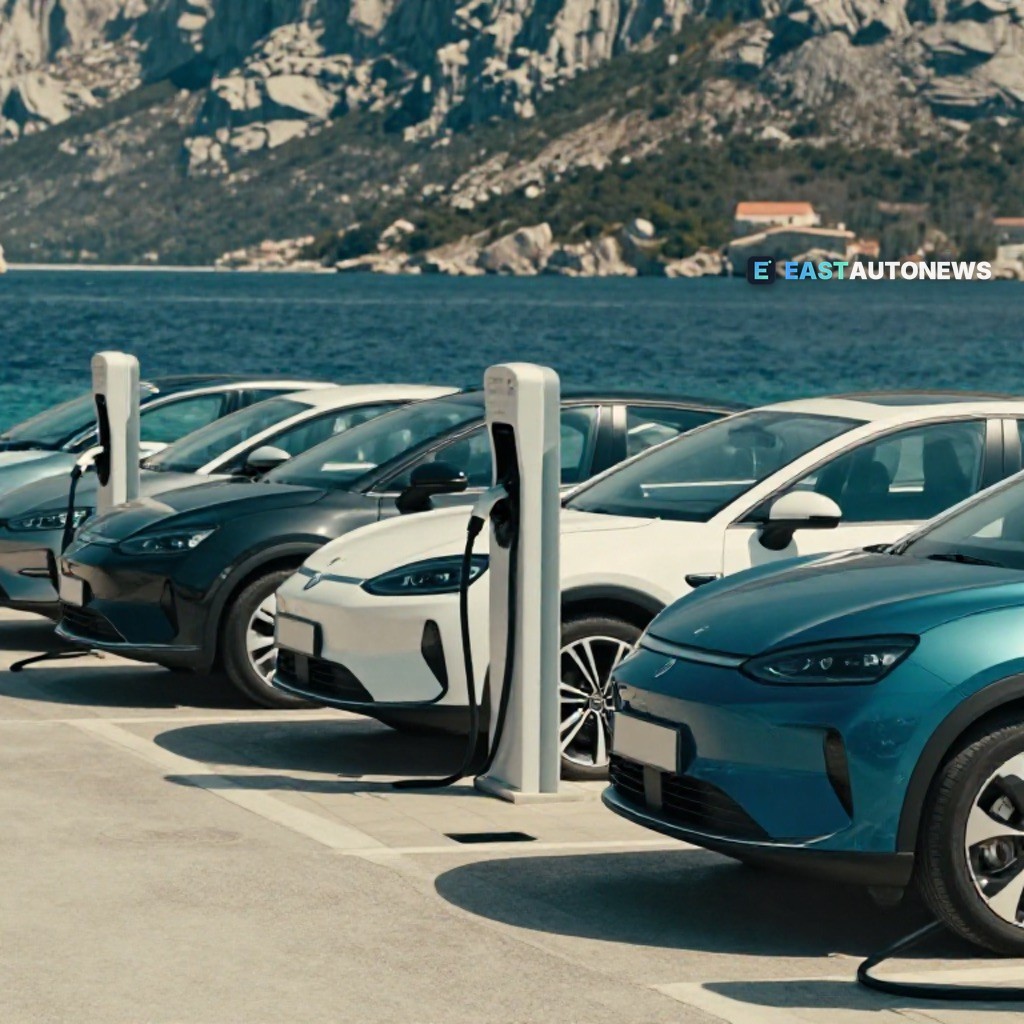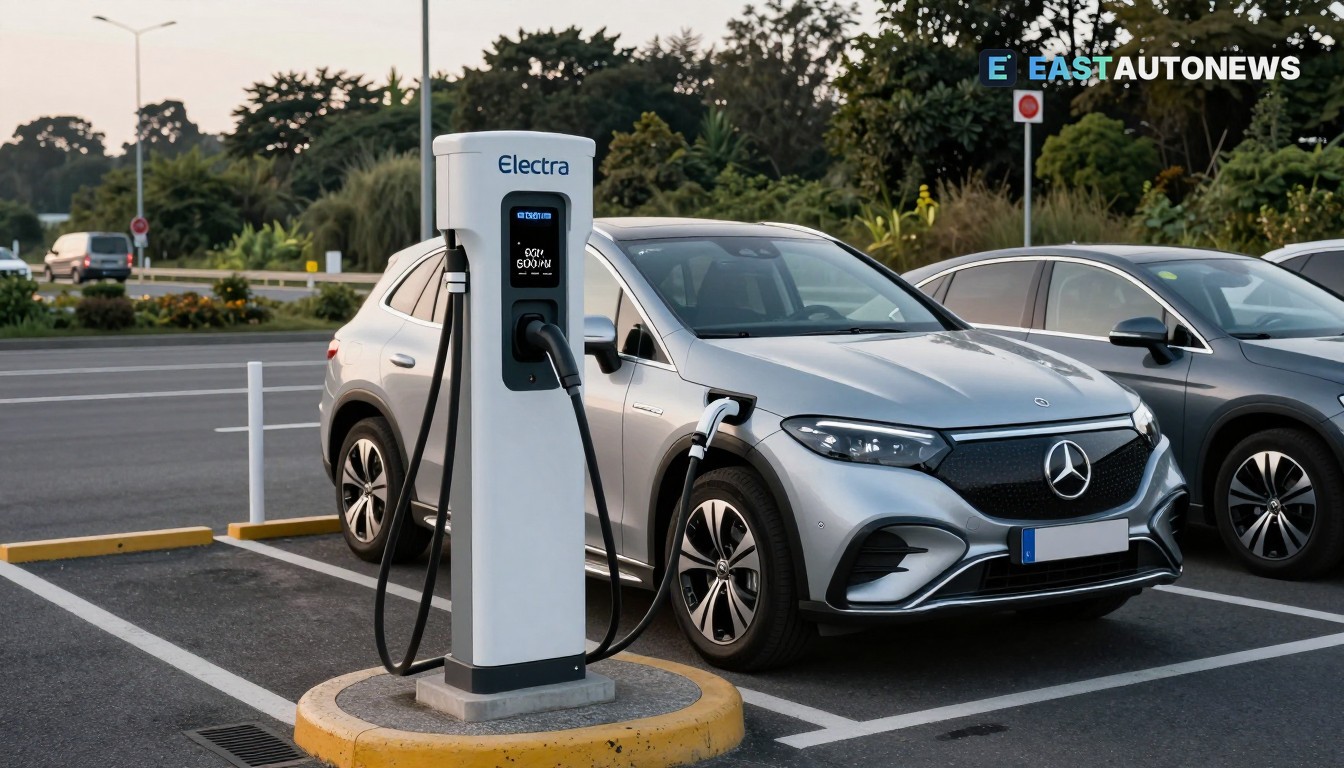
Mercedes‑Benz has effectively exited direct operation of its European high‑power charging parks, transferring 47 Mercedes‑branded hubs and 374 fast‑charging points to French operator Electra. The sites joined Electra’s network from 1 November 2026 as part of a new premium partnership that also opens Electra’s 800+ stations to MB.CHARGE Public customers with preferential access and in‑car reservation.
Deal background and scale
The handover follows a board decision in July 2026 and a purchase agreement signed in early August, according to Mercedes’ reporting. Financial filings and trade coverage show the European fast‑charging assets were carried on Mercedes’ books at about €99 million (with roughly €73 million in property, plant and equipment and €21 million of liabilities), a disclosure that first surfaced in the automaker’s third‑quarter reporting and was highlighted by industry press.
Electra’s press release says the 47 hubs comprise 374 charge points, including 31 hubs in Germany and six in Austria, and that the integration will notably expand Electra’s footprint in key markets while offering Mercedes customers seamless access through MB.CHARGE Public. Electra also said it plans to invest €200 million in Germany next year as part of broader network growth.
OEM strategy and customer experience
Both companies framed the move as a customer‑experience play rather than an abandonment of charging ambitions. Electra’s CEO called the transfer a “milestone” and stressed the technical reliability and reservation features being extended to Mercedes drivers; Mercedes’ charging lead described the tie‑up as a way to make “fast charging across Europe even more accessible and convenient” while retaining in‑car integration via MB.CHARGE Public (a digital extra that requires a separate third‑party contract). These quotes are from the companies’ joint statements.
What this means for the market
For Central and Eastern Europe the immediate effects are mixed but material. The transfer accelerates consolidation of high‑power public charging under specialist operators, which can bring scale, technical know‑how and heavy investment — Electra says it already operates more than 800 stations and 5,000 charge points across ten countries. Consolidation can improve uptime, reservation and payment integration for premium OEM customers, but it also concentrates strategic infrastructure under fewer commercial players, changing bargaining dynamics for carmakers, site owners and public authorities.
For manufacturers with Europe‑wide EV ambitions, the sale underscores a trend: several OEMs are stepping back from owning and operating charging real estate directly and instead rely on partnerships and platform integrations. That reduces capital tied up in infrastructure but raises dependence on third‑party operators’ rollout plans and pricing. Industry trackers note the Mercedes transfer is one of several charging‑assets sales seen across Europe this autumn.
The transaction is effective immediately for customers (1 November 2026) and was publicly announced by Electra on 3 November 2026. Operators, fleet managers and regional policymakers in Central and Eastern Europe should watch how Electra’s planned investments and tariff terms play out in local markets.
Electric vehicle listings on WorldTrader24 →
Sources: Electra press release, electrive.