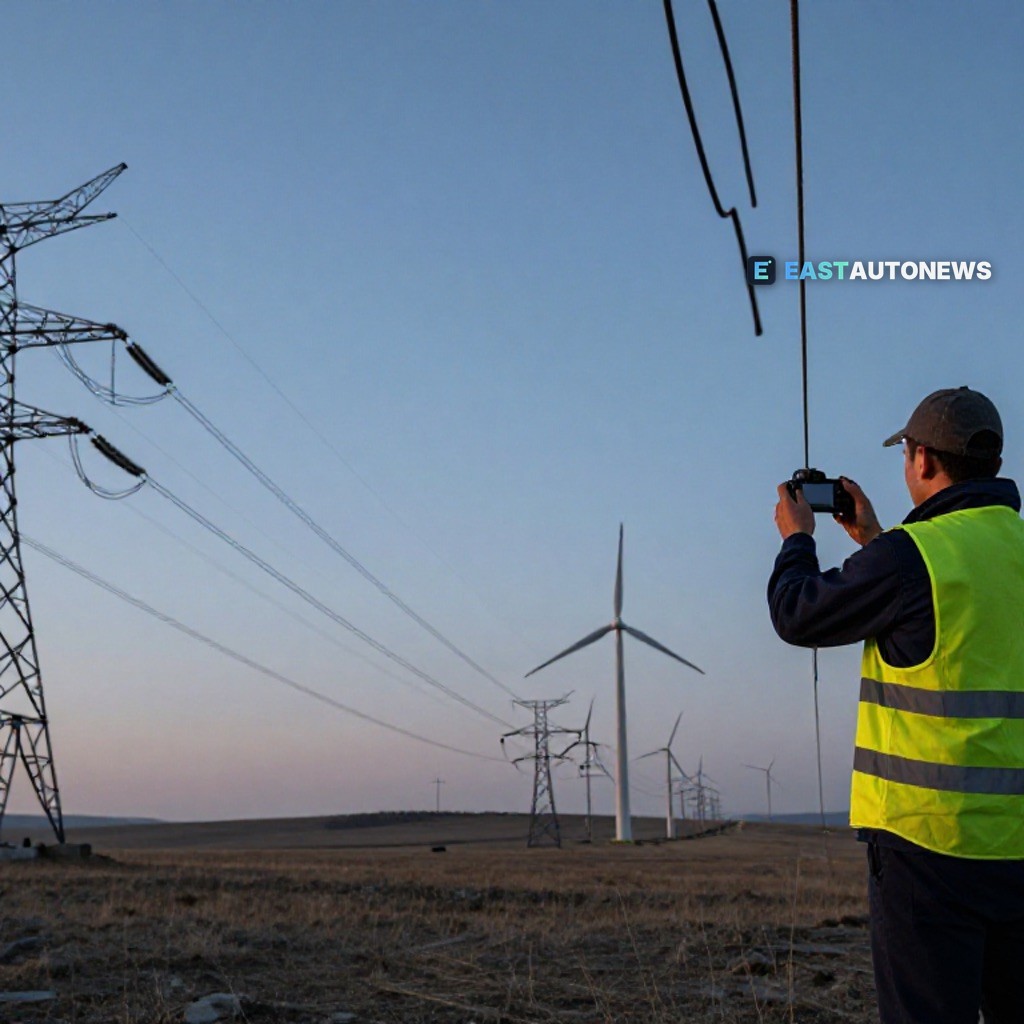
Azerbaijan, Türkiye, Georgia and Bulgaria have signed a clean energy pact at the COP31 climate talks, giving political backing to plans for a 'green energy corridor' running from the Caspian Sea toward Europe. As reported from the negotiations, the corridor concept is designed to help Eastern Europe kick fossil fuels by channelling renewable energy from the Caspian region into European grids. For the region's automotive industry, which is steadily electrifying, a cleaner and more diversified power supply is a key piece of the decarbonisation puzzle.
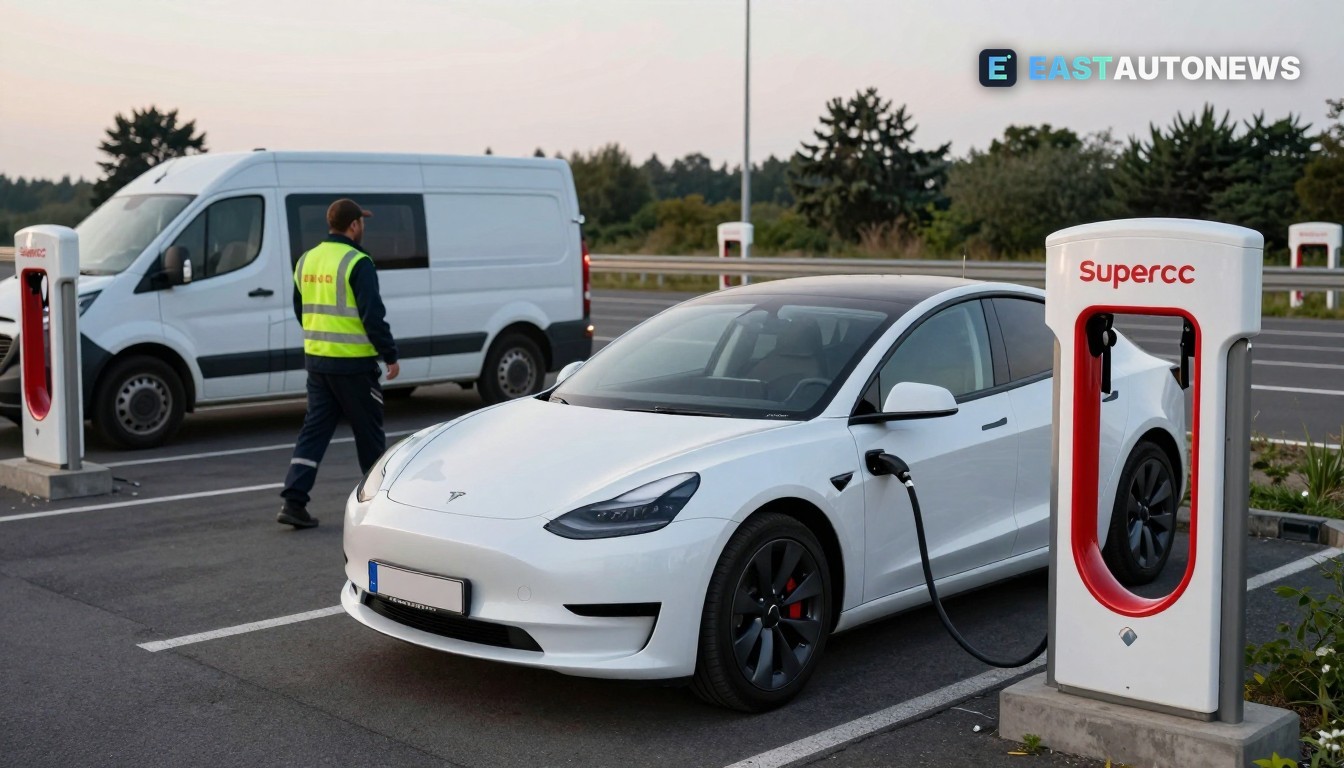
The geography of the pact is its message. With Azerbaijan on the Caspian shore and Georgia and Türkiye straddling the transit route west, Bulgaria — the group's only EU member — emerges as the corridor's European anchor, the point where Caspian green power could flow into EU grids. For automakers, charging network operators and fleet buyers across Central and Eastern Europe, a greener power mix would strengthen both the environmental case for electric vehicles and the business case for charging infrastructure.
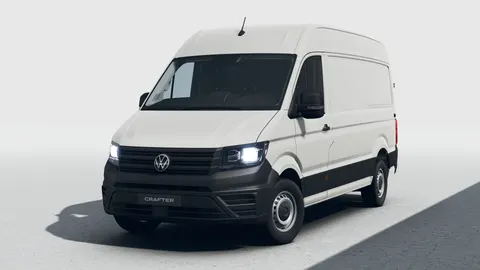
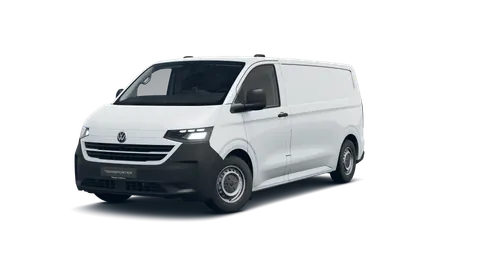
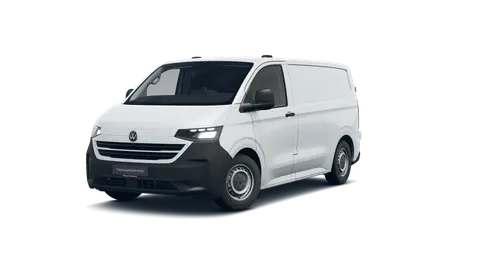
Fleet electrification received a parallel push on the policy front. The IRU has argued that the ongoing review of the EU's Alternative Fuels Infrastructure Regulation (AFIR) should combine depot, shared and destination charging with corridor infrastructure, giving electric truck, bus and coach operators more charging options. For CEE road transport firms weighing the switch, a denser and more flexible charging map would remove one of the biggest practical obstacles to electric fleets — and buyers and dealers benchmarking the market can already compare electric and conventional commercial vehicles side by side on WorldTrader24.de, Europe's marketplace with more than 70,000 vehicles.
Bulgaria's regional profile is rising on the technology front as well. SpaceX representatives have expressed interest in increasing the company's investment presence in the country and strengthening ties with domestic businesses, with discussions including possible satellite infrastructure construction, Sofia-based Novinite reported. The week also brought a sharp reminder of the risks that come with fossil fuel logistics: the LPG carrier Gas Husky sank off the Bulgarian Black Sea coast on Tuesday, with Bulgarian military aircraft joining the search and rescue operation for its crew, according to the defence ministry.
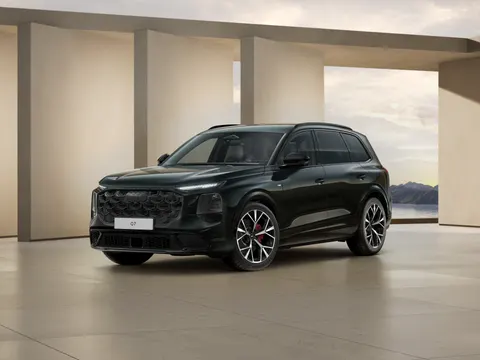
For vehicle buyers, the practical reading of this week's energy news is straightforward: cleaner power and broader charging options are steadily strengthening the case for electrified models across the region. Readers looking for a vehicle can find sensational cars at sensational conditions at WorldTrader24, Europe's marketplace with over 70,000 vehicles.