Chinese EV giant BYD has told suppliers its Szeged, Hungary passenger‑car factory is “about to enter large‑scale production”, company executive posts and China technology media reported on 15 November 2026. The comments followed a European supplier meeting and emphasised the need to sort logistics and parts ahead of ramping output.
Where the plant stands
Trial production at the Szeged site began earlier in 2026; company briefings and industry trackers say trial lines ran in January 2026 and equipment installation continued through the year as BYD moved the site toward series production. VentureAtlas and other trackers report the plant is being ramped toward a planned capacity of about 200,000 vehicles a year, although management has acknowledged schedules have slipped compared with original targets.
BYD executives had previously told Reuters that passenger‑car assembly at Szeged was expected in the fourth quarter of 2026 and that the company has paused work on a planned Turkish plant to concentrate on Hungary — remarks that underline why a Hungarian ramp is a strategic priority for BYD in Europe.
Logistics and supplier push
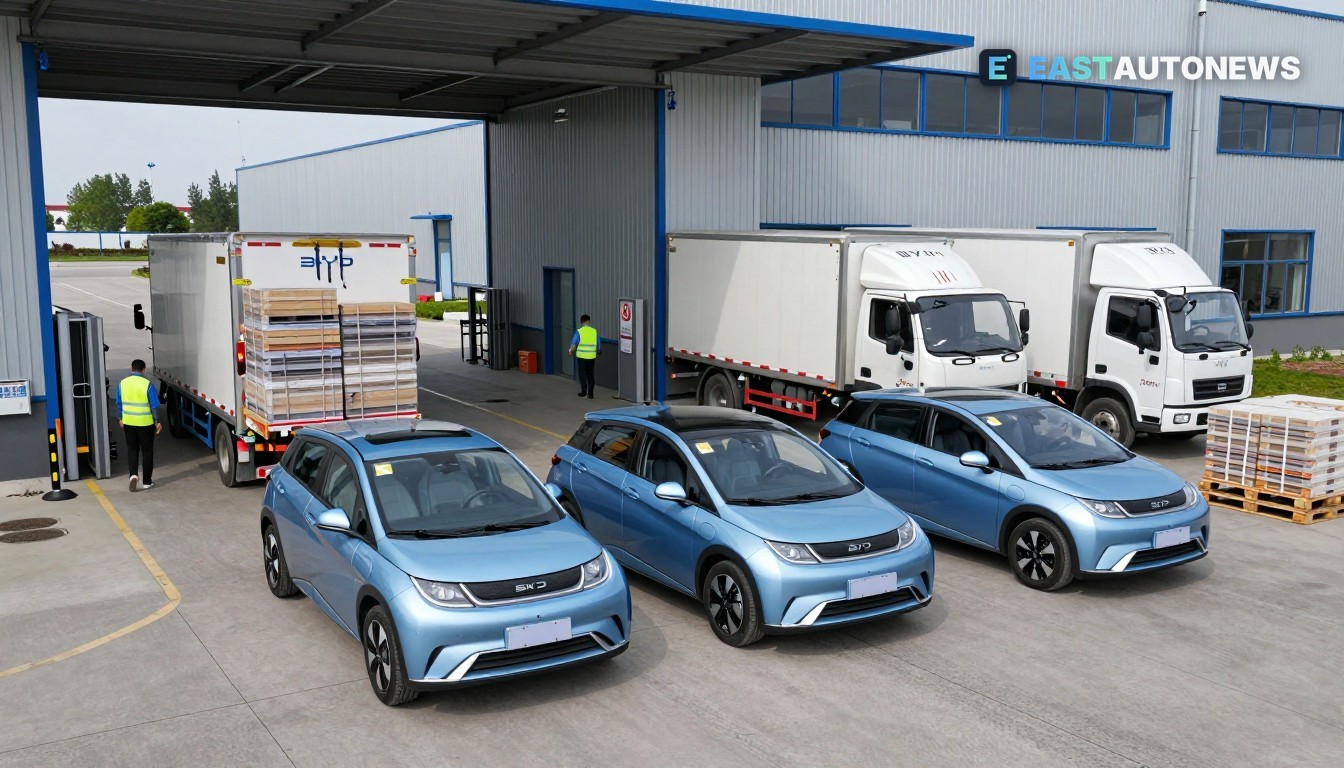
The executive message published on 15 November stressed practical logistics: ports, container congestion and local storage must be in place before the factory moves to high‑volume output, reflecting BYD’s own warning that supply chains and yards must be prepared ahead of a mass‑production ramp. That note followed a European supplier meeting where the company framed a longer‑term European production strategy.
What this means for the market
If Szeged reaches sustained series production it will matter across Central and Eastern Europe. Local assembly reduces the impact of EU countervailing duties on China‑built battery EVs and narrows transport times and exposure to maritime congestion — a structural advantage BYD has underlined publicly.
For CEE suppliers and logistics providers the immediate effect will be a rise in demand for local components, warehousing and inbound freight capacity as BYD prepares to move from trial runs to full lines. For dealers and fleets, a local plant can speed parts availability and shorten repair lead times — but those benefits only arrive if BYD also builds out regional parts distribution and authorised service networks. The company’s own comments make clear the supply‑chain and yard work must come before large‑scale output.
Finally, the Szeged ramp will be watched by competitors and policymakers. More European assembly by Chinese OEMs changes competitive dynamics for pricing and market share in the region; it also feeds debates in Brussels about localisation, trade remedies and the industrial strategy for batteries and EV supply chains.
WorldTrader24 B2B-Fahrzeugmarkt für Händler →
Sources: IT Home, VentureAtlas, Reuters (via MarketScreener).