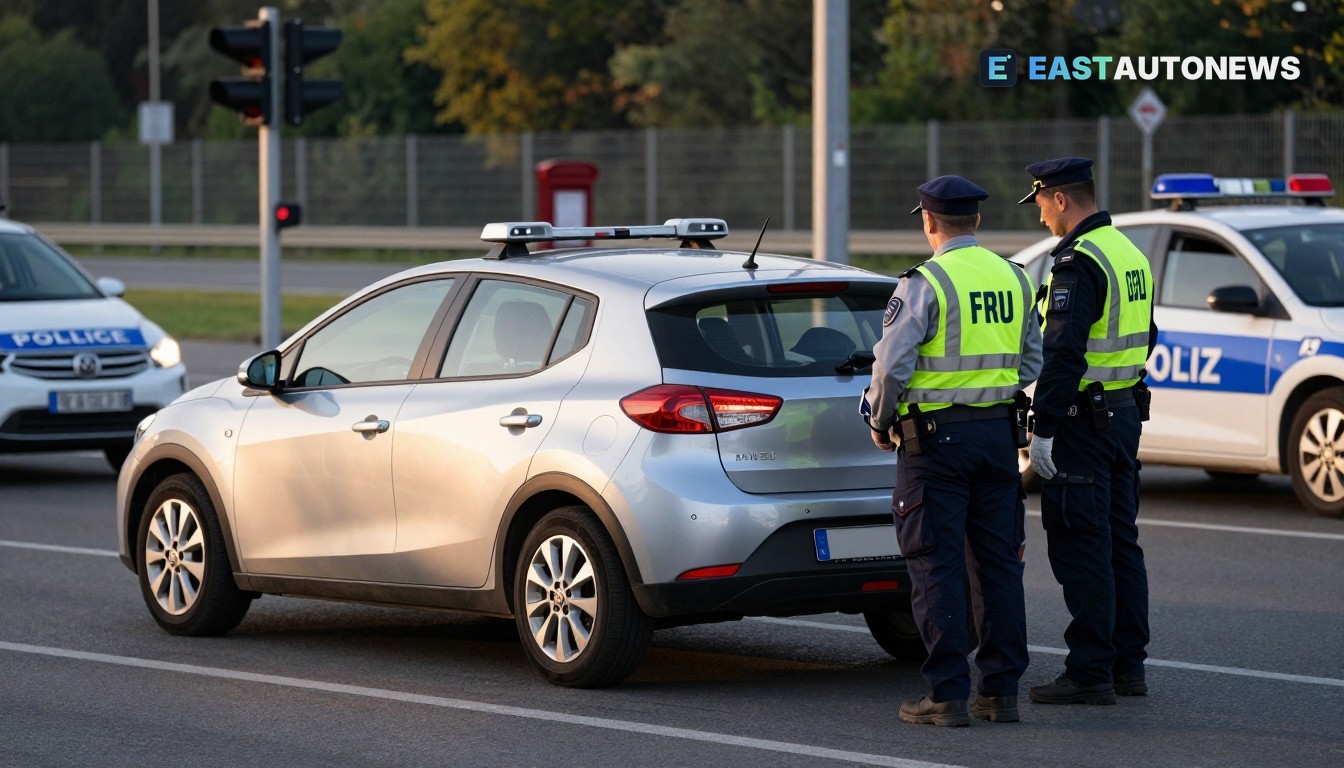
On 22 November 2026 a Verne‑operated robotaxi was involved in a minor three‑car collision in Zagreb; Verne said the vehicle was stopped at traffic lights and was hit indirectly when two other cars collided, and that no one was injured. Police told local media the incident caused only material damage.
What happened — and why it matters
The vehicle involved belongs to an operation run by Verne in partnership with Pony.ai and available through local ride apps; Verne and Pony.ai began paid passenger services with an on‑board safety operator in April 2026 and progressed to invited, fully‑driverless test rides on a 22‑kilometre route to Zagreb Airport in September 2026. Pony.ai said the Zagreb programme had accumulated hundreds of thousands of kilometres and several thousand passenger trips through October.
Although the Nov. 22 collision caused no injuries, it is the sort of low‑severity, common‑cause crash that attracts disproportionate regulatory and public attention when an autonomous system is involved. Coverage and trackers that monitor robotaxi schemes across Europe immediately noted the incident and flagged it as a reminder that real‑world operations will face routine traffic events as well as rare edge cases.
Regulatory, insurance and operational questions
Operators and city regulators in Central and Eastern Europe are watching Zagreb as one of the region’s earliest live robotaxi projects. Regulators typically treat collisions involving automated vehicles as high‑priority reviews even when there is no harm; enquiries often look at vehicle logs, operator interventions and whether software or system limits contributed to the sequence of events. That scrutiny increases administrative costs and can slow approvals for wider public access.
What this means for the market
For carmakers, suppliers and software providers in CEE the episode reinforces three near‑term realities. First, commercially viable driverless rollouts will need robust incident documentation and fast, transparent reporting to retain public trust and to satisfy regulators. Second, even small collisions can raise insurance costs or change contract terms; Pony.ai reported improving insurance economics for its Gen‑7 fleet in recent filings, but local incidents will shape premium pricing and operator risk models in each market. Third, cities that host early pilots — from Zagreb to Manchester and beyond — become de‑facto testbeds for legal frameworks, meaning OEMs and tier‑one suppliers must factor regulatory uncertainty into deployment timelines and component sourcing.
Operators say the path to commercial scale requires many routine incidents to be investigated and closed without major harm; equally, regulators and insurers will push for stronger telemetry, clearer lines of liability and demonstrable improvements to avoidance behaviour as fleets grow. For Central and Eastern Europe, where cities are courting AV investment, the Zagreb event is a reminder that the policy and insurance ecosystems need to keep pace with deployment.
Available vehicles now on WorldTrader24 →
Sources: Pony.ai, YATransit Robotaxi Tracker