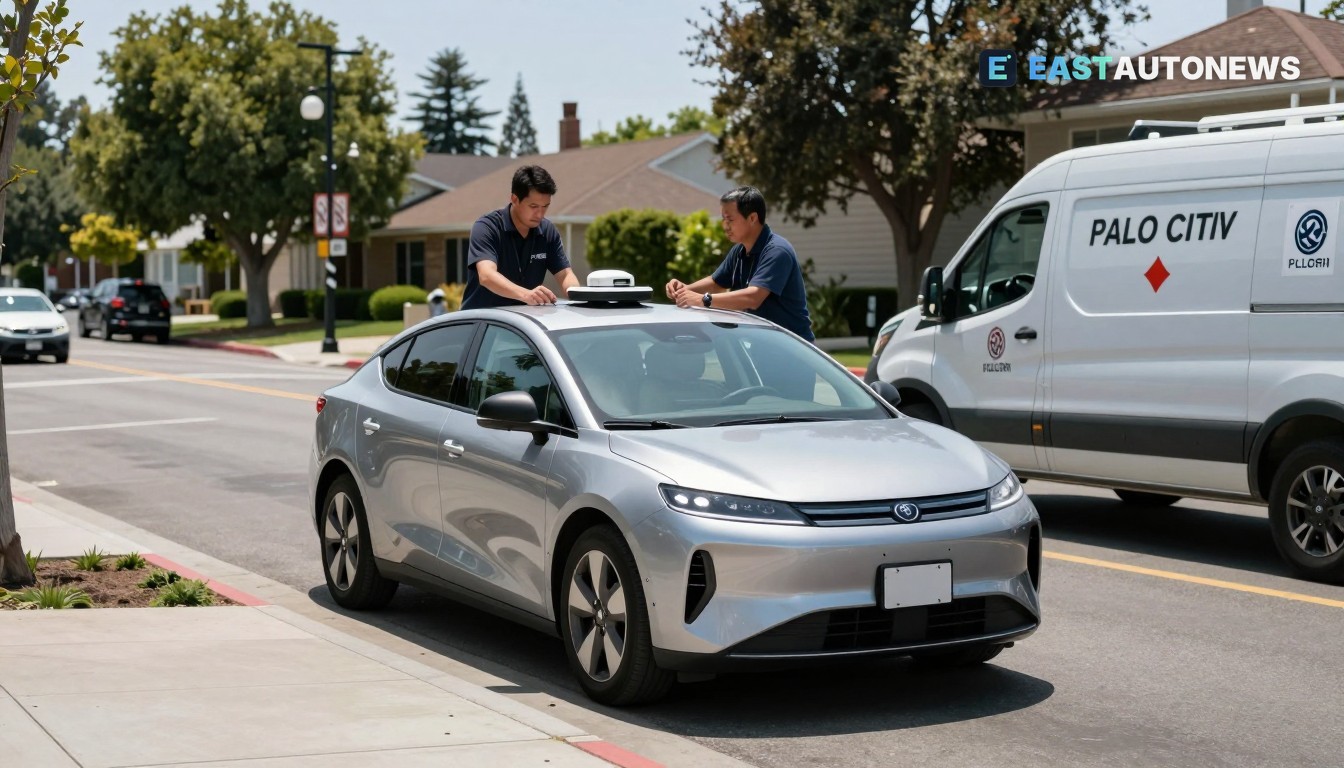
On Nov. 24, 2026 Nuro, Lucid and Uber announced the start of fully driverless testing on public roads in the San Francisco Bay Area, with employee rides due to follow as the programme prepares for a planned commercial launch in Q1 2027. The partners said testing runs in Palo Alto, Mountain View, Los Altos and Sunnyvale and builds on months of supervised trials.
What the announcement is — and what it isn’t
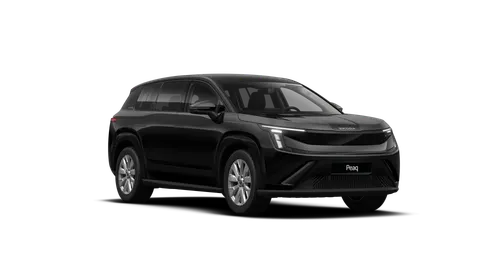
The companies described the move as a step from supervised to fully driverless on‑road validation: Nuro’s press release notes that safety drivers are being removed for this phase and that employee rides will soon begin, while other outlets report the vehicles involved are Lucid Gravity‑based robotaxis running Nuro’s autonomous stack. The group has set a target public launch window of Q1 2027.
This is not a Europe deployment — the tests are US‑based — but it is a materially relevant milestone for the wider robotaxi and autonomy supply chain. Bay Area validation on public streets expands the body of operational safety data that OEMs, Tier‑1s and software suppliers will study when choosing partners or certifying components for large‑scale shared fleets.
What this means for the market
First, suppliers in Central and Eastern Europe should expect faster demand for validated, software‑compatible sensors, ECUs and integration work. Large robotaxi programmes compress validation timelines: fleets need calibrated LiDAR, radar and high‑assurance compute, and they need suppliers who can provide safety evidence that fits fleet software stacks. European suppliers already active in perception, simulation and calibration services are likely to see new commercial opportunities to support remote validation, OTA update workflows and recurrent safety cases.
Second, automotive engineering centres and testbeds in CEE could attract more project work. The Bay Area tests will produce scenarios and corner‑case data that European teams will want to reproduce in simulation and on regional proving grounds; that creates demand for simulation houses, data‑annotation firms and HIL/SiL integration services in markets such as Poland, Czechia, Hungary and Romania.
Third, regulators and fleet operators across Europe will monitor the US phase closely. The shape of safety evidence generated in large‑scale driverless tests influences type‑approval thinking and local operating permits. European regulators have been moving toward machine‑readable validation and clearer ADS conformity paths; high‑profile US trials add practical examples — both of success and of the safety documentation required to scale.
Finally, the commercial timetable matters: a Q1 2027 public target in the US shortens the horizon for suppliers that had expected a gradual, multi‑year build‑out. Firms that can show early compliance with safety toolchains, sensor certification and OTA management will be better positioned to win fleet contracts and retrofit work.
Driverless-capable vehicles available now on WorldTrader24 →
Sources: Nuro, Engadget, MarkLines