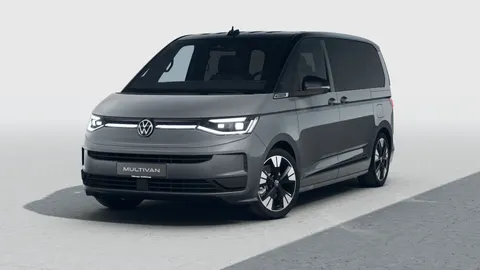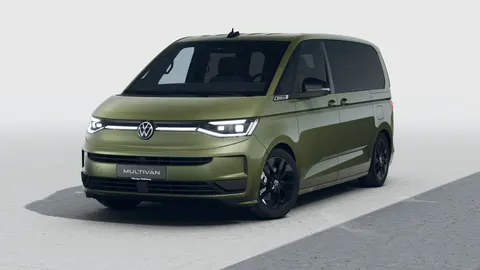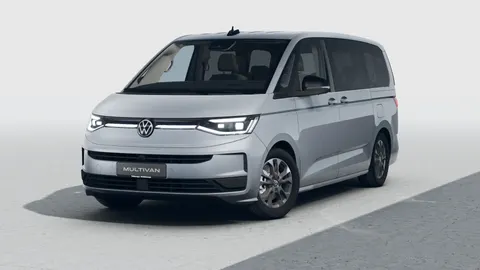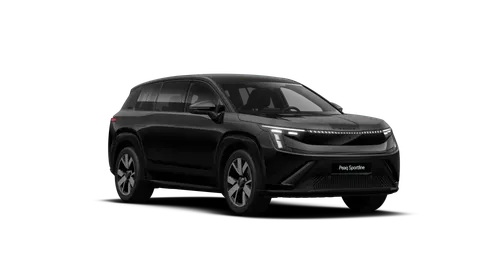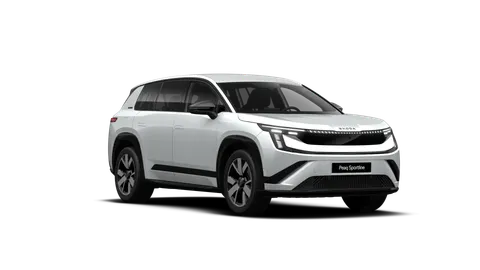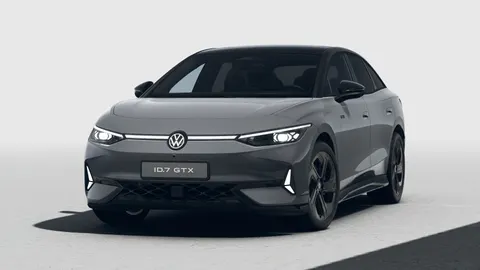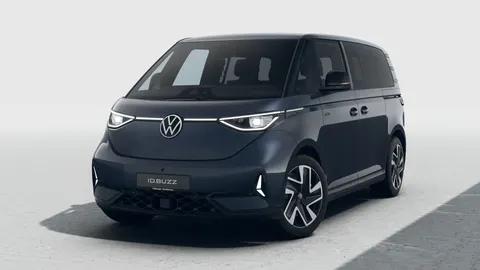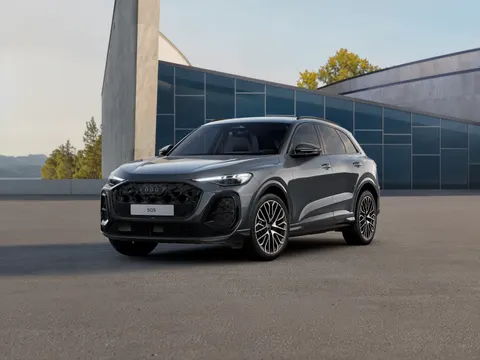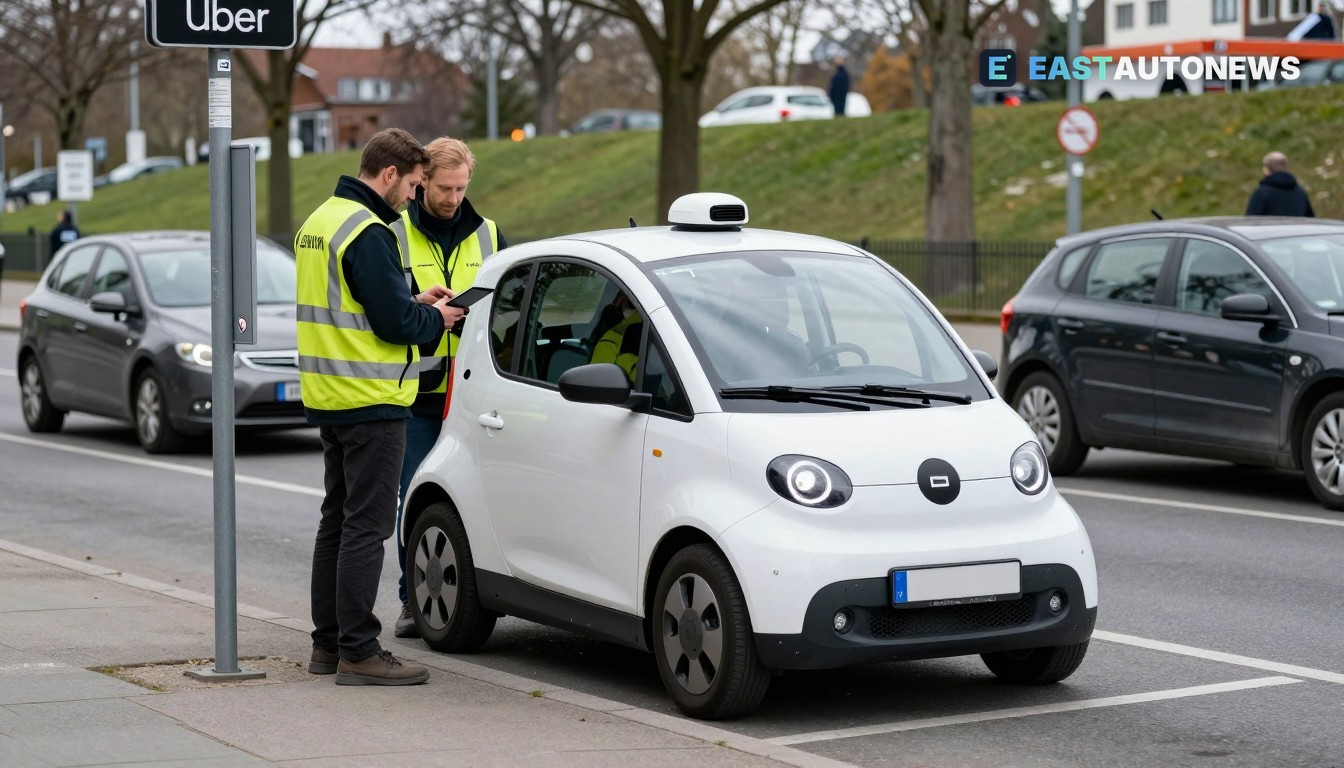
Uber and Momenta this week opened a supervised robotaxi pilot in Munich, offering selected Uber users free, non‑commercial autonomous rides inside a defined area covering large parts of northern Munich, including neighbourhoods around the Olympic Park. The trial started on 18 November 2026 and is being offered via an interest list inside the Uber app; rides include a trained safety operator on board and use designated pick‑up and drop‑off points.
How the Munich pilot works
The service is running under test permits granted to Momenta by Germany’s Federal Motor Transport Authority (KBA). Pre‑registered, pre‑selected riders requesting UberX, Electric or Comfort in the pilot zone may be offered a supervised autonomous vehicle trip; the service is being rolled out in phases and participants are asked to provide in‑app feedback. The pilot is explicitly non‑commercial and free of charge in line with the KBA permit.
Both companies framed the launch as a regulatory‑aware step toward commercial robotaxi services. “We’re proud to be the first to bring a supervised autonomous ride‑hailing pilot to Munich. Launching within Germany’s rigorous framework sets a high bar for further expansion across the region,” said Samarth Kejriwal, Head of Autonomous Mobility Operations at Uber. Momenta’s Robotaxi General Manager Shuo Xie said the company’s "Physical AI" approach would benefit from every kilometre driven in Munich.
What this means for the market
The Munich pilot matters for Central and Eastern Europe (CEE) in three practical ways. First, Germany’s cautious, rule‑bound test regime is shaping how international robotaxi suppliers — many of them working with European OEMs and Tier‑1s — plan rollouts across neighbouring markets. Second, the pilot uses app integration and designated pickup infrastructure, signalling the kind of local partnerships and municipal permissions operators will need when moving beyond single‑city tests. Third, suppliers of perception stacks, sensors, mapping and fleet operations software have a near‑term commercial runway: vendors involved in supervised trials in Germany and across Western Europe can expect demand for adaptation, local validation and safety documentation that often draws on European supplier networks. Reporting and commentary around the launch also noted the role of phased, safety‑first trials as operators iterate regulatory, insurance and public‑acceptance workstreams.
For CEE suppliers and cities, Munich is a reminder that meaningful robotaxi progress will come through iterative pilots that combine regulator sign‑off, local operator partnerships and visible safety measures. Companies in the region that supply sensors, roadside mapping, fleet telematics or edge compute for perception models should expect opportunity as the robotaxi ecosystem moves from lab to app‑based trials across Europe.
Electric vehicle listings on WorldTrader24 →
Sources: Momenta, Momenta Media, Gasgoo, Robotaxi Tracker