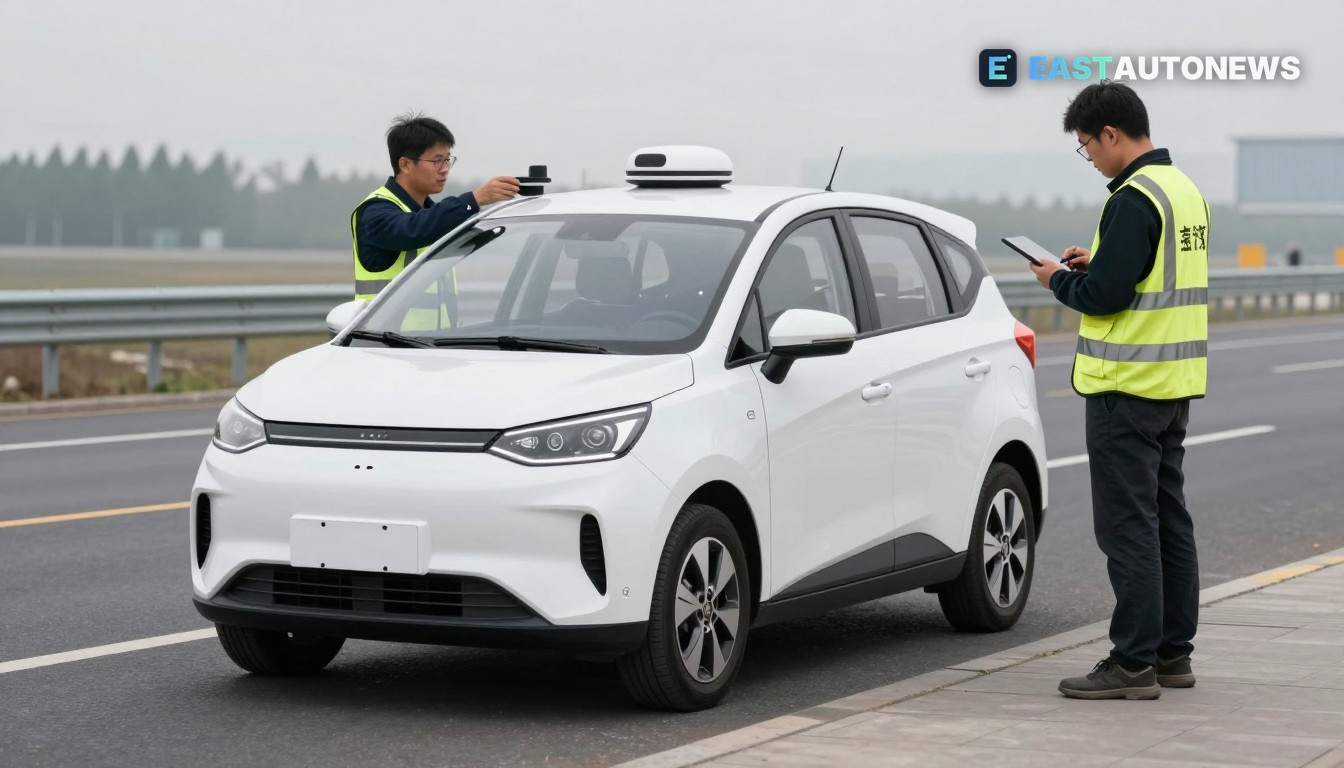
Pony.ai and Croatian operator Verne have moved a high‑profile autonomous driving pilot into public operations in Zagreb, running fully driverless test rides with invited passengers along a scheduled route that links a business district with Franjo Tuđman Airport. The companies announced the start of the programme on Sept. 10, 2026 and Pony.ai reiterated the milestone in its Nov. 18, 2026 third‑quarter filing.
What the pilots involve
The rides run along a roughly 22‑kilometre corridor and operate without an on‑board safety driver; Pony.ai says remote supervisors monitor vehicles but do not drive or control them. The partner operator Verne says invited passengers are carried on public roads under Croatian prototype‑testing rules.
Pony.ai describes the vehicles used as its Gen‑7 Robotaxi models, developed with OEM partners and running its in‑house stack on NVIDIA DRIVE hardware; the company also told investors that its Robotaxi services revenue rose year‑on‑year and that the Zagreb deployment has helped its international rollout plans. Financially, Pony.ai reported total revenues of US$44.6 million for Q3 2026, with robotaxi services accounting for US$17.8 million in the quarter.
Voices from the project
“Fully driverless passenger rides in Zagreb mark an important step in Pony.ai’s international growth,” Pony.ai CEO Dr James Peng said in the company’s Q3 statement, and the firm highlighted the Zagreb tests again as part of its overseas expansion plans. Verne’s CEO Marko Pejković described the move as “a major milestone on the path to scaling autonomous mobility in Europe.”
What this means for the market
The Zagreb programme is one of the most advanced urban Level‑4 pilots reported in Central and Eastern Europe to date and is significant because it pairs a Chinese autonomous driving supplier with a regional operator and a major transport node (the capital’s airport). That combination tests regulatory approvals, operational models (operator + remote supervision) and the ability of vehicle‑AI stacks to handle mixed European urban traffic. Pony.ai’s public figures also show that robotaxi operations are already material to its revenue mix, underlining the commercial motive behind such pilots.
For CEE suppliers and service providers this could mean earlier demand for specialised sensors, compute modules, fleet telematics and remote‑operations software, while city authorities and regulators will watch operational safety, data‑sharing and insurance outcomes closely as pilots scale. These are practical, near‑term issues for industry stakeholders rather than speculative outcomes.
WorldTrader24 B2B vehicle marketplace for dealers →
Sources: Pony.ai, Verne