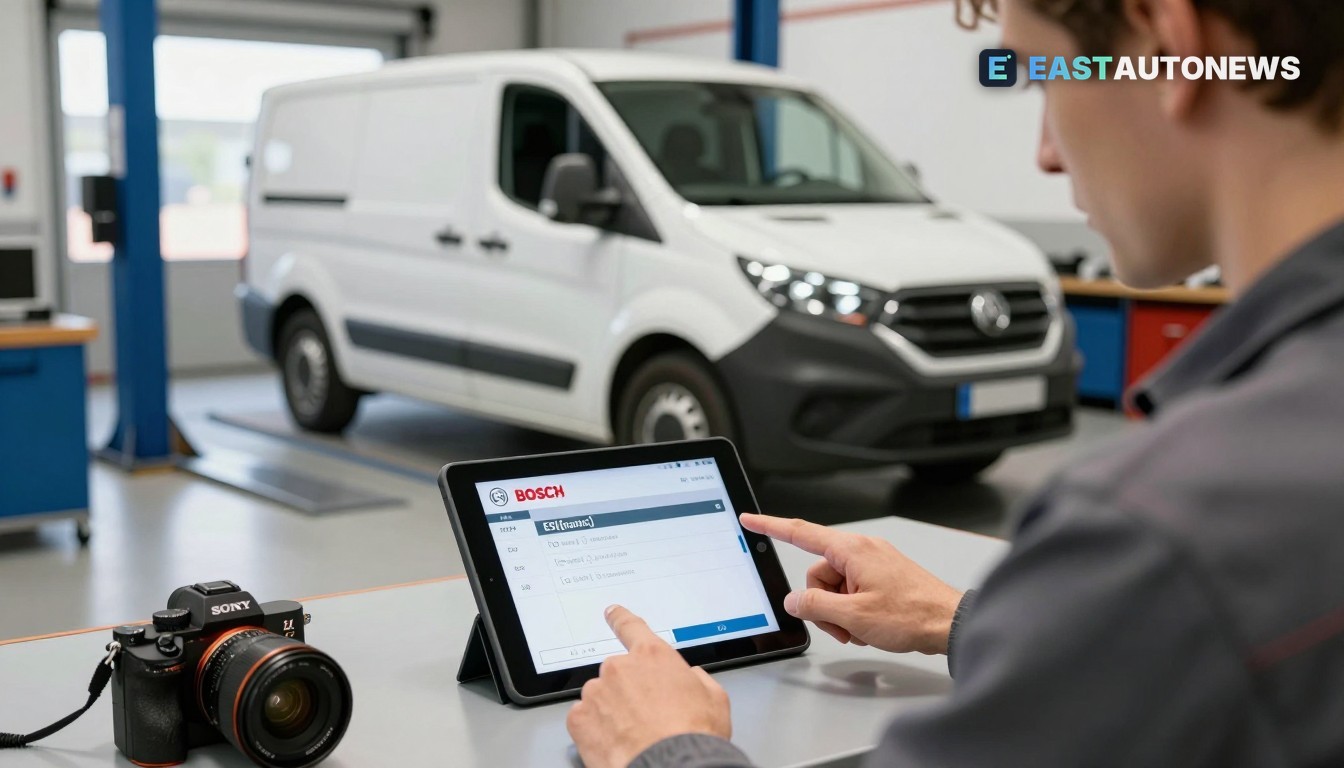
Bosch has moved artificial intelligence closer to everyday vehicle repair. The company says a new AI assistant will be integrated into its ESI[tronic] diagnostic platform and delivered with the software update named 2026/4 at the end of 2026. Bosch presented the feature at Automechanika and the solution was awarded the Innovation Award 2026 in the "AI Solutions & Digitalisation" category.
How the assistant works
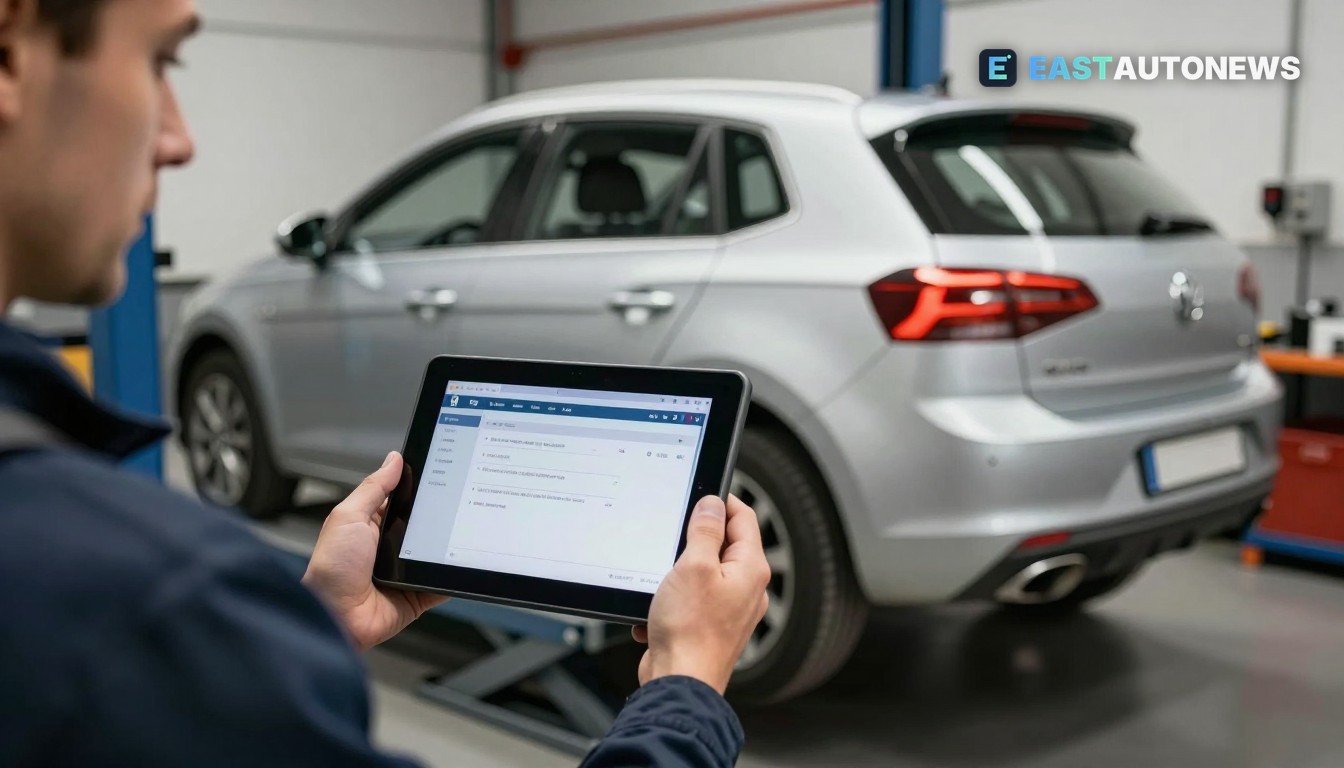
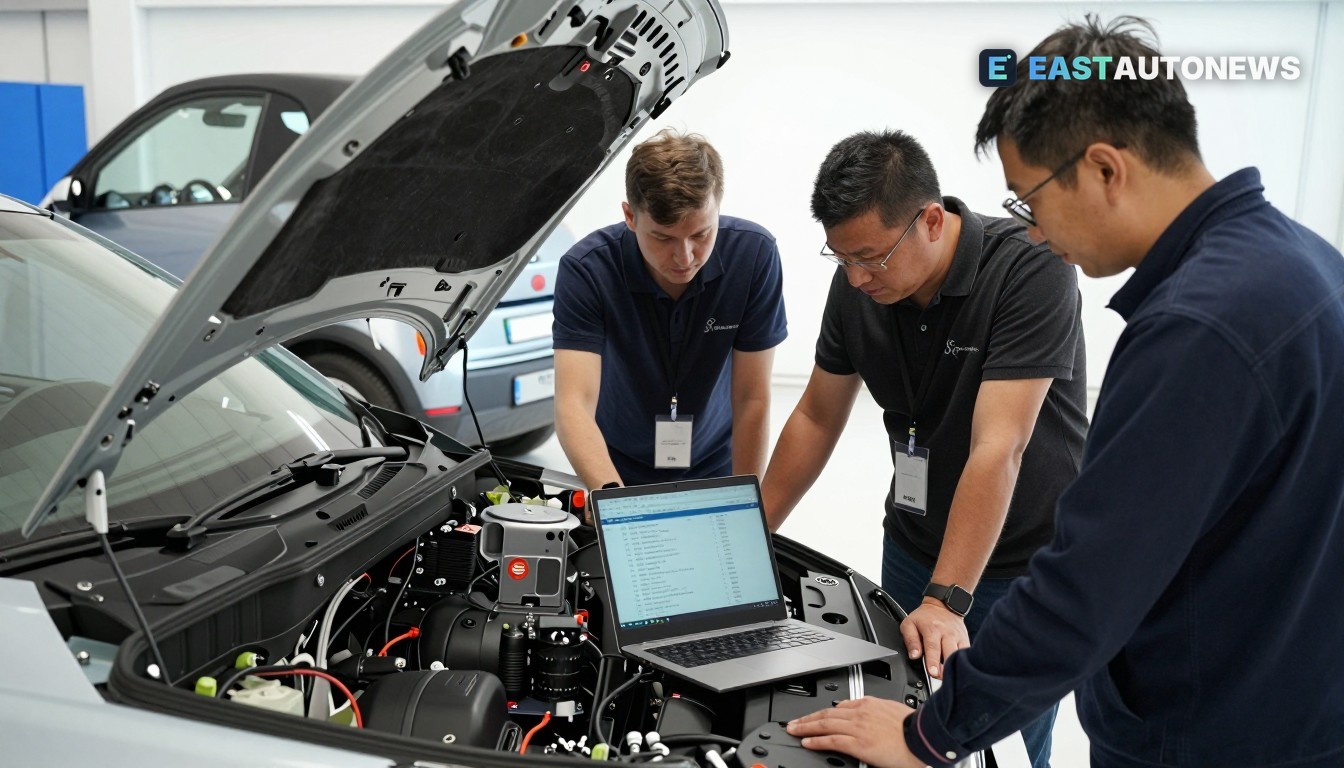
According to Bosch, the assistant analyses the information already available inside ESI[tronic] — diagnostic data, repair instructions and original manufacturer documents — and synthesises targeted solution suggestions for technicians. The company says the feature supports a dialog‑style interaction during the full repair process and aims to reduce the time technicians spend searching across menus and documents. Bosch also states the AI will be included in ESI[tronic] Advanced and Master packages at no additional licence cost.
Independent comparisons and aftermarket coverage note that several workshop‑focused suppliers are adding AI tools to service platforms this year, and that Bosch’s assistant was highlighted among new offerings in recent market roundups. Analysts and service‑software vendors see these assistants primarily as time‑savers for diagnosis and information retrieval rather than as replacements for technician judgement.
What this means for the market
For Central and Eastern Europe the change is practical: many independent garages and dealer networks in the region rely on Bosch’s ESI[tronic] or similar technical databases. Embedding an AI assistant inside the existing ESI[tronic] licence could speed fault‑finding on complex electrified powertrains and high‑voltage systems that have multiplied repair data requirements in recent years. Faster diagnostics may reduce workshop labour time per job and shift parts‑ordering patterns, with knock‑on effects for local parts distributors and remanufacturers.
But adoption will be measured. The feature ships as a software update (2026/4) due "at the end of 2026," and workshops must have the relevant Advanced or Master licence and compatible KTS hardware to use the function, Bosch says. That means rollout speed will depend on licence penetration, hardware upgrades and training budgets across dealers and independent workshops in CEE markets.
For aftermarket suppliers and independent repair chains, the assistant is both an enabler and a competitive factor. Suppliers of repair information, diagnostics tools and parts will need to show how their data and processes integrate with AI‑assisted workflows. For automakers and authorised dealers, the assistant could shorten diagnostic cycles for warranty work and improve first‑time‑fix rates — metrics that directly affect service profitability and customer satisfaction.
Bosch’s announcement and the Automechanika recognition underline a broader trend: workshop software vendors are rapidly adding AI features that surface relevant technical content rather than trying to replace human troubleshooting. How quickly those features change workshop economics in CEE will depend on licensing, hardware compatibility and how fast technicians adopt AI‑assisted workflows.
WorldTrader24 B2B vehicle marketplace for dealers →
Sources: Bosch Media Service, WrenchLane, Messe Frankfurt (Automechanika)