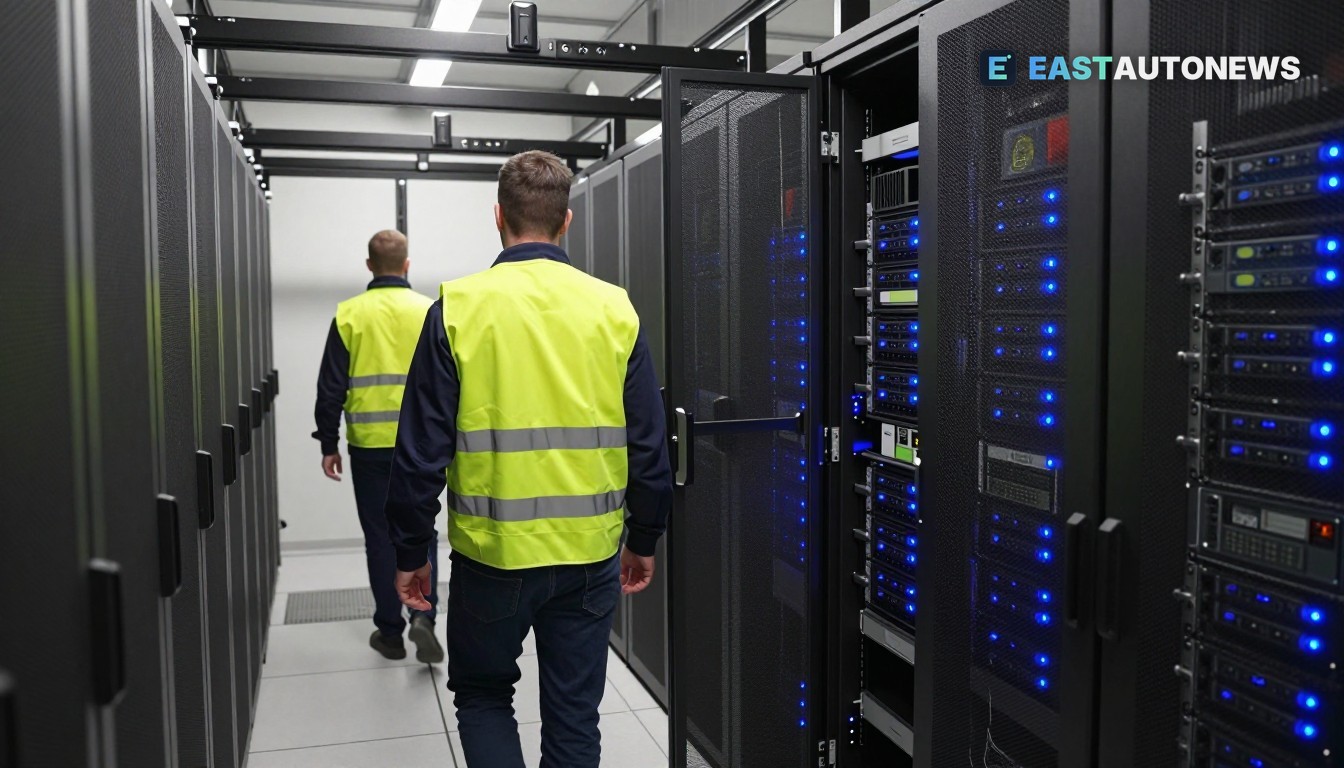
European leaders held the EU’s first dedicated summit on artificial intelligence in Dublin on November 13, 2026, a meeting that put computing capacity, funding and industrial policy at the top of the agenda. The session included briefings from Mistral CEO Arthur Mensch and AI pioneer Geoffrey Hinton as capitals debated whether to prioritise frontier models or rapid rollout of AI across industry.
What was decided in Dublin
There were no immediate headline policy decisions, but the summit clarified two linked facts that matter to carmakers and suppliers in Central and Eastern Europe (CEE): leaders recognised the need for large public‑ and private‑sector investment to close Europe’s AI gap, and they flagged that building sovereign compute capacity will be a strategic priority going forward. European Commission president Ursula von der Leyen told leaders developing and adopting AI will require “at least €500 billion in investments over the coming years,” a sum she said is not yet secured.
Speakers also discussed the EU proposal for a small number of large “AI mega‑factories” — datacentre‑style sites combining advanced processors, cloud services and local data pools — which Brussels has estimated would mobilise roughly €30 billion in public and private funds. Delegates acknowledged the plan is stalled by budget and programmatic disputes, but the Commission promised a roadmap in the coming weeks.
Why leaders called in AI industry experts
Leaders invited Arthur Mensch — whose Paris‑based Mistral remains one of the few European firms building large models — to argue the competitiveness case, and Geoffrey Hinton to outline safety and societal risks. The pair framed the trade‑off that many automakers already feel: more powerful models and local compute can speed vehicle‑software development, but require major investment and careful oversight.
What this means for the market
For CEE carmakers, suppliers and the region’s growing software supply chain the Dublin summit sharpens a simple reality: access to European compute and model development funds will be a material competitive factor. Automotive software — from advanced driver assistance and multi‑domain vehicle controllers to fleet‑level optimisation and predictive manufacturing — depends on large models, specialised inference hardware and local data governance. Firms in CEE that want to win more software and autonomy work for OEMs need reliable local compute, clearer EU funding channels and regulatory certainty.
Practically, expect three near‑term effects: procurement plans by OEMs and tier‑ones will increasingly include requirements for local compute or EU‑hosted model access; national investment pitches from CEE capitals to attract data‑centre and AI supply chain projects will grow louder; and suppliers that can offer certified, AI‑compliant toolchains and secure on‑edge inference hardware will gain negotiating leverage. None of this will play out overnight: leaders in Dublin did not commit new budget lines, and the timeline depends on agreement over the EU’s next multiannual budget.
B2B vehicle marketplace for dealers on WorldTrader24 →
Sources: Reuters, Le Monde