In a move driven less by ideology than by arithmetic, Slovakia has switched its Russia channel back on. The revival of the Russian-Slovak intergovernmental commission — the machinery that once steered bilateral trade — marks Bratislava's most deliberate step toward Moscow in years. For a country whose economy is essentially a conveyor belt to the world, the logic is blunt: when almost everything you produce leaves your borders, no corridor stays closed for long.
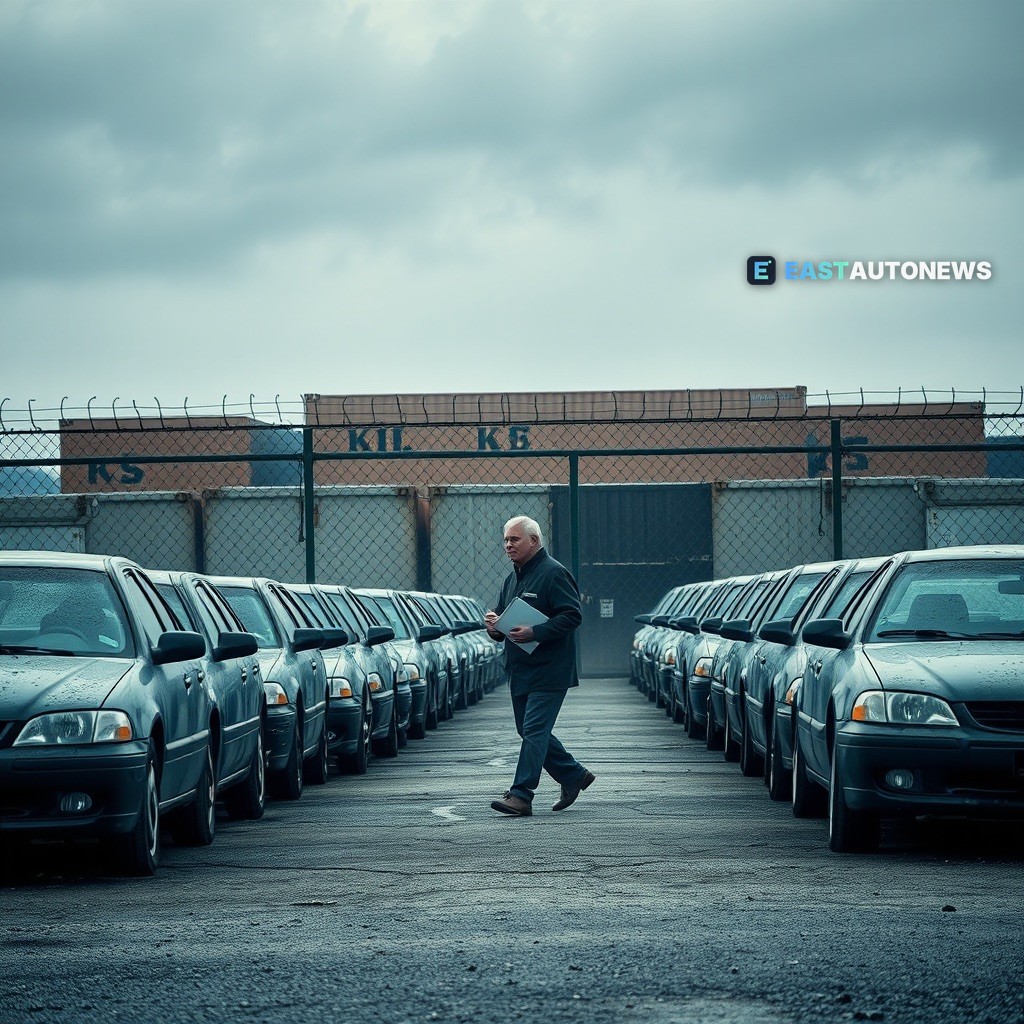
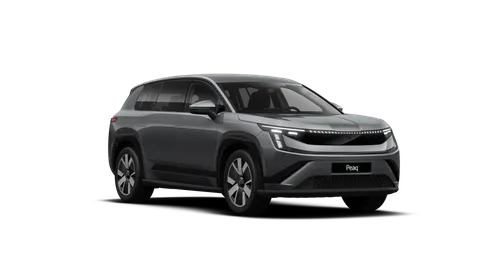
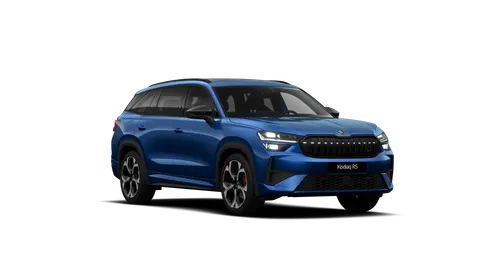
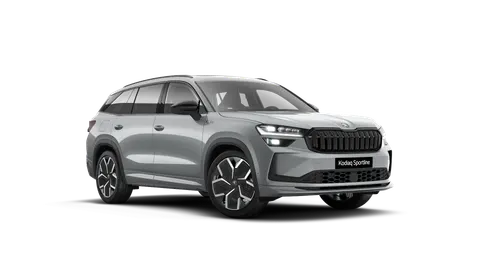
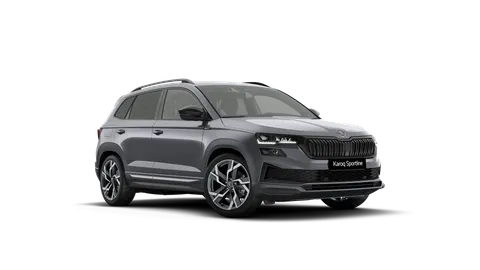
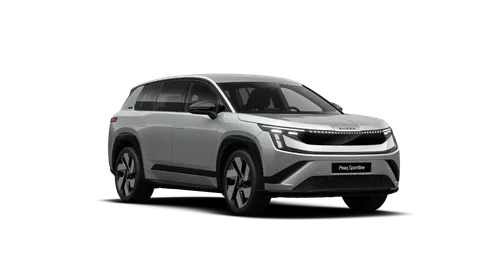
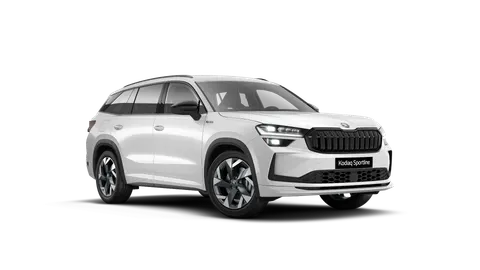
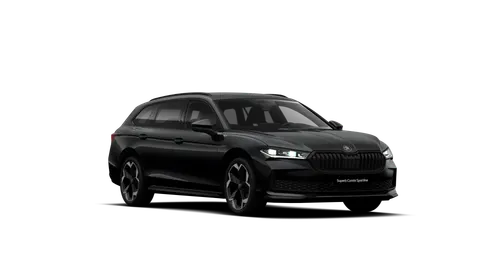
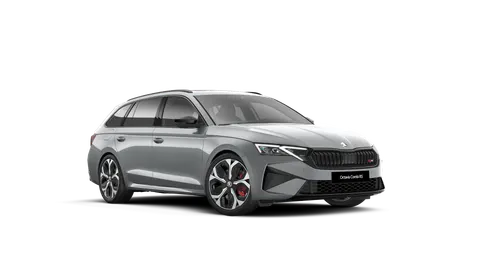
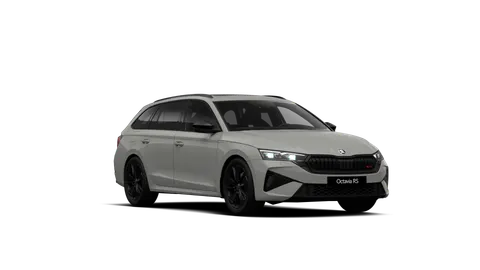
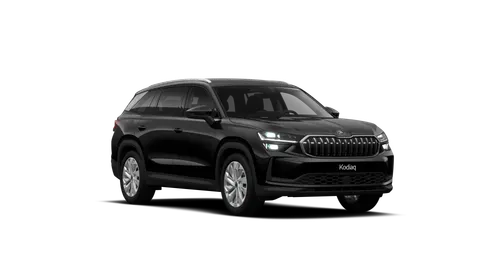
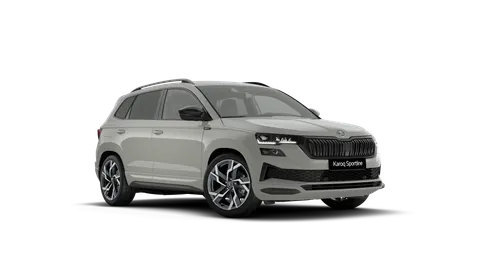
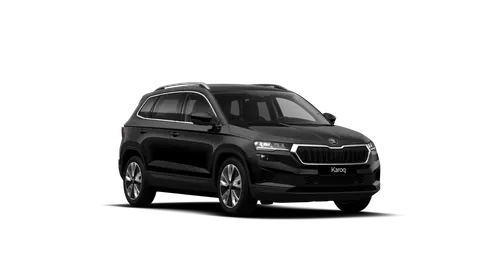
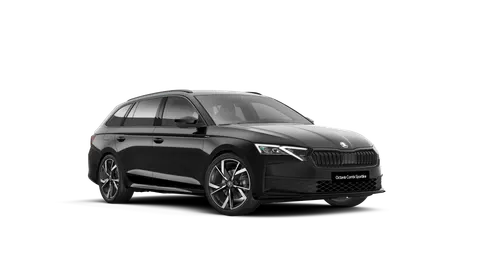
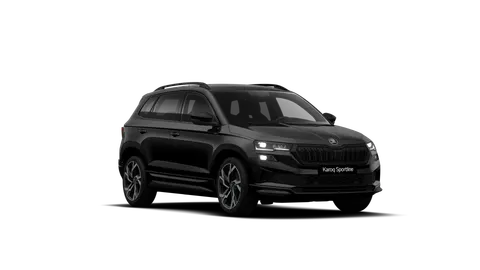
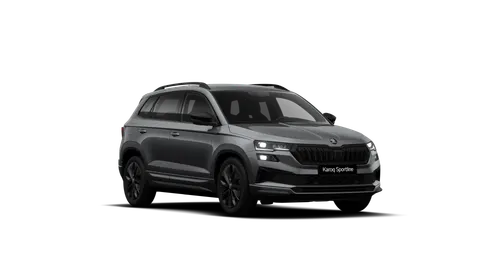
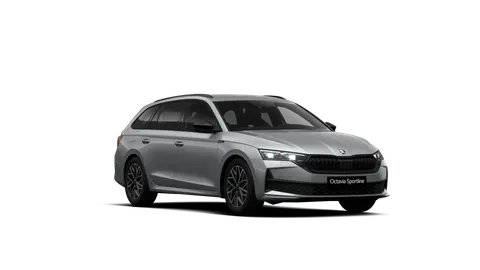
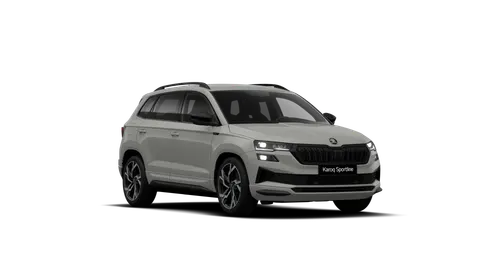
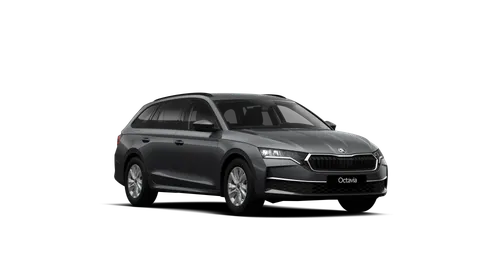
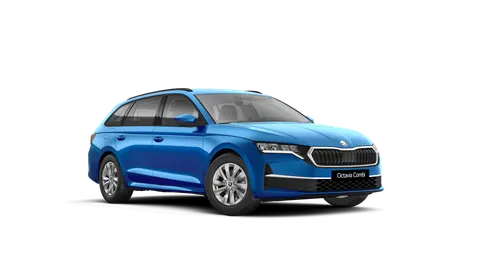
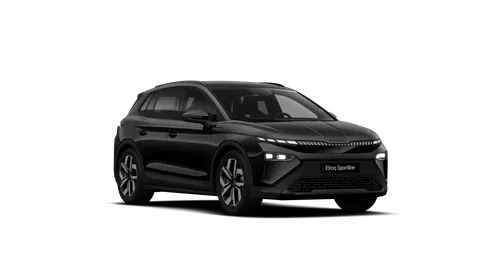
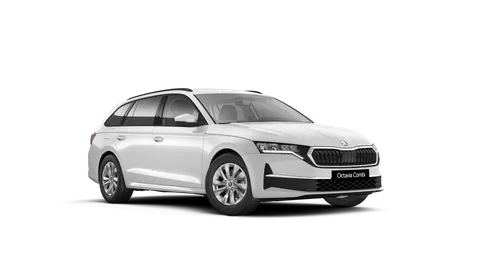
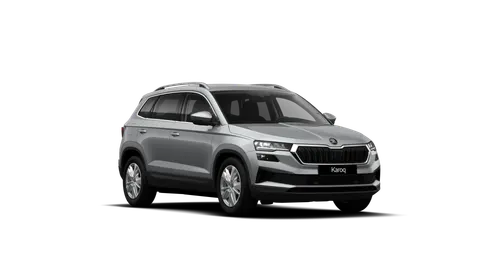
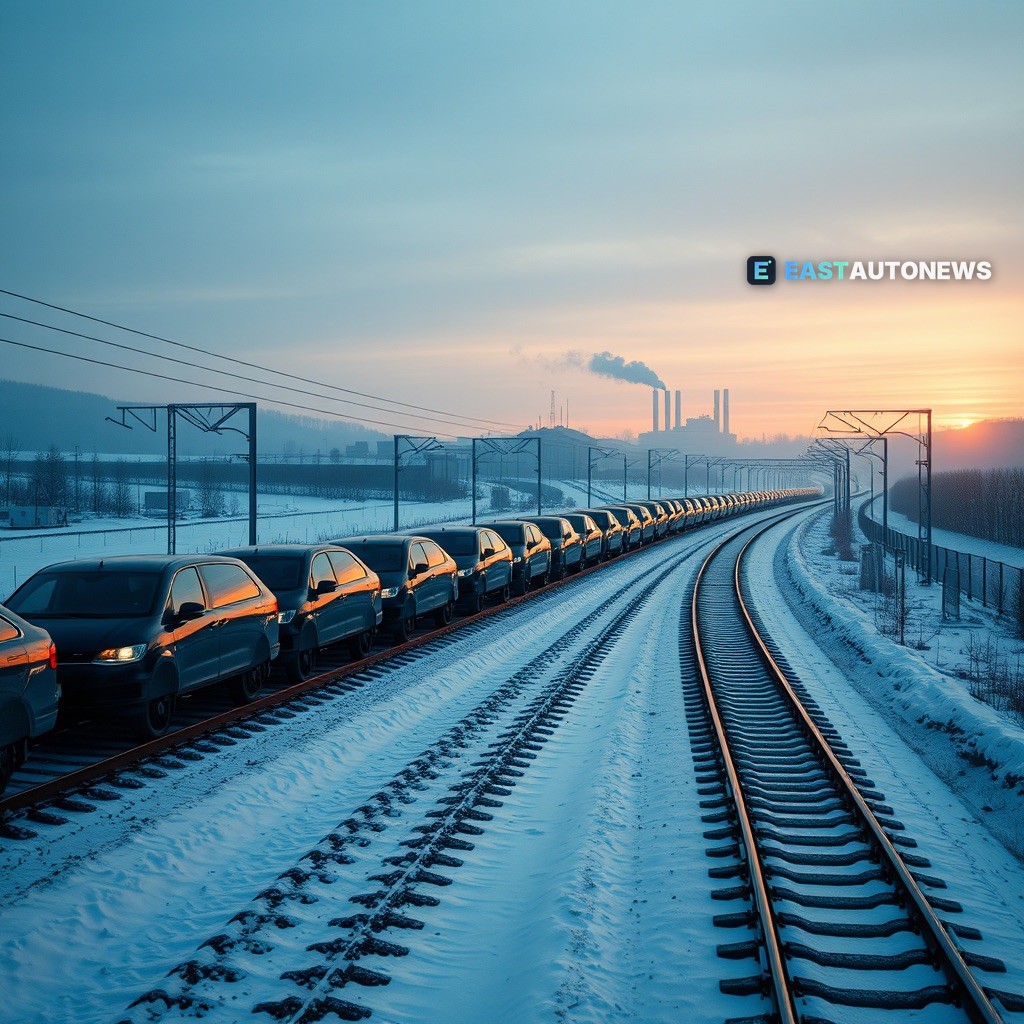
The numbers explain the nerve. Exports account for around 90% of Slovak GDP, an extraordinary ratio even among Europe's small open economies, and the automotive industry is the cornerstone of it all, employing more than 230,000 people in a nation of just over five million. In Slovakia, a disruption to trade is never an abstract headline — it lands directly on the factory floor.
Yet the map of Slovakia's customers makes the pivot all the more striking. Germany alone absorbs 23% of Slovak exports, with the Czech Republic at 12.4%, Poland at 8.3% and Austria at 5.7% — nearly half of everything the country sells flows to just four Central European markets. The reopened Russia channel is therefore less a reorientation than an insurance policy: one more lane on the logistics map for an economy that cannot afford to leave any route idle.
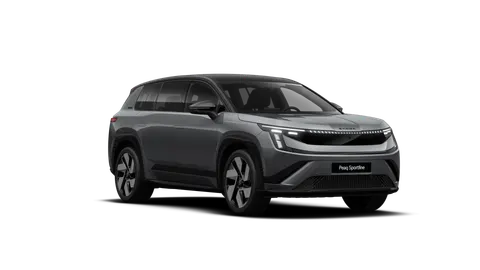
In the country's industrial east, the same hunger for new corridors is rewriting the landscape. For decades, steel was the backbone of Kosice; now the city is preparing for a new industrial chapter. Just outside it, Volvo — owned by China's Geely — is building an electric vehicle plant, a project that signals a broader Chinese investment push into a country long synonymous with German-backed carmaking.
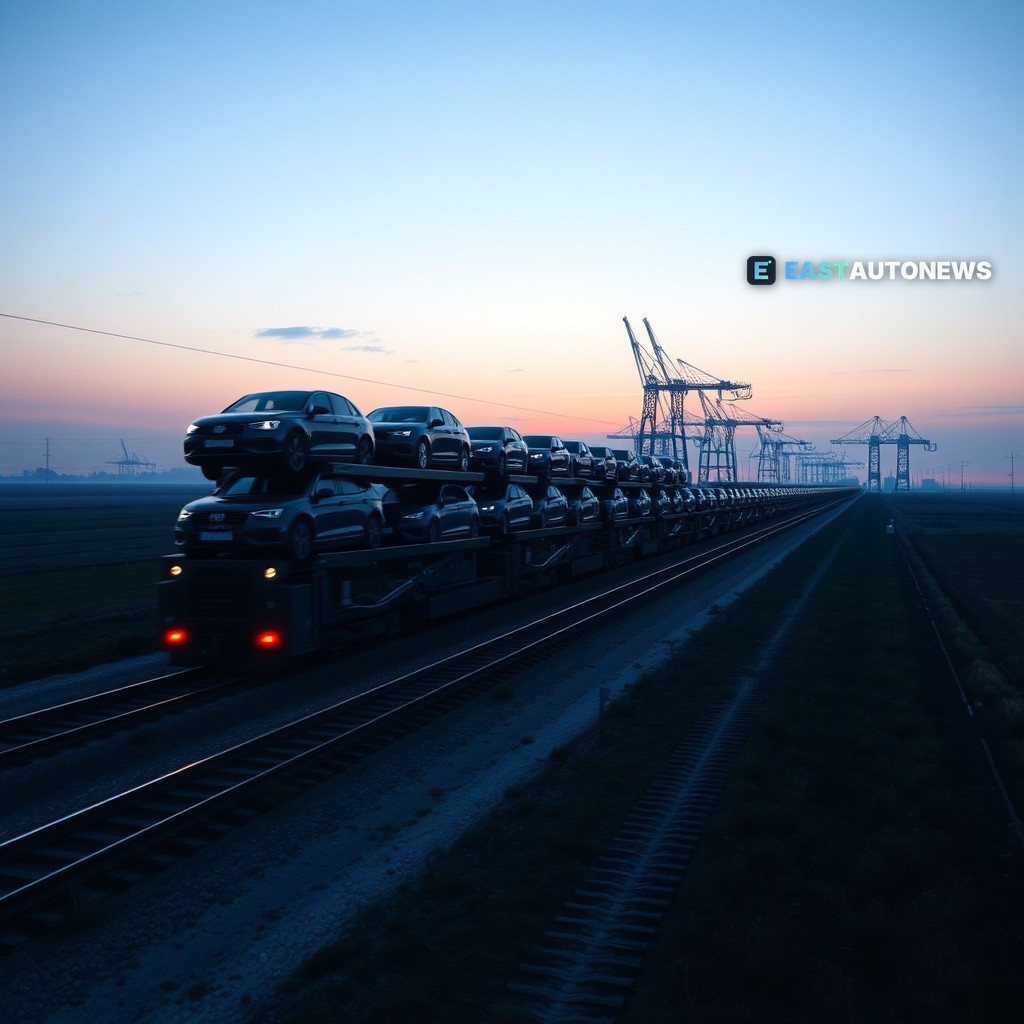
The result is a Slovak economy pulling in several directions at once: Western customers buy the cars, Chinese capital is building the next generation of plants, and Moscow is back on the trade dial. For the more than 230,000 Slovaks whose livelihoods depend on the sector — and for the logistics operators who move nearly a country's worth of GDP across borders every year — every reopened channel matters. The message from Bratislava is unmistakable: in a world of tightening supply chains, Slovakia intends to keep as many doors open as it can.
For dealers and fleet buyers watching where Europe's automotive momentum is heading, Slovakia belongs firmly on the radar — and so does smart vehicle sourcing. Readers in the market for a car will find sensational vehicles at sensational conditions at WorldTrader24, Europe's marketplace with over 70,000 vehicles.