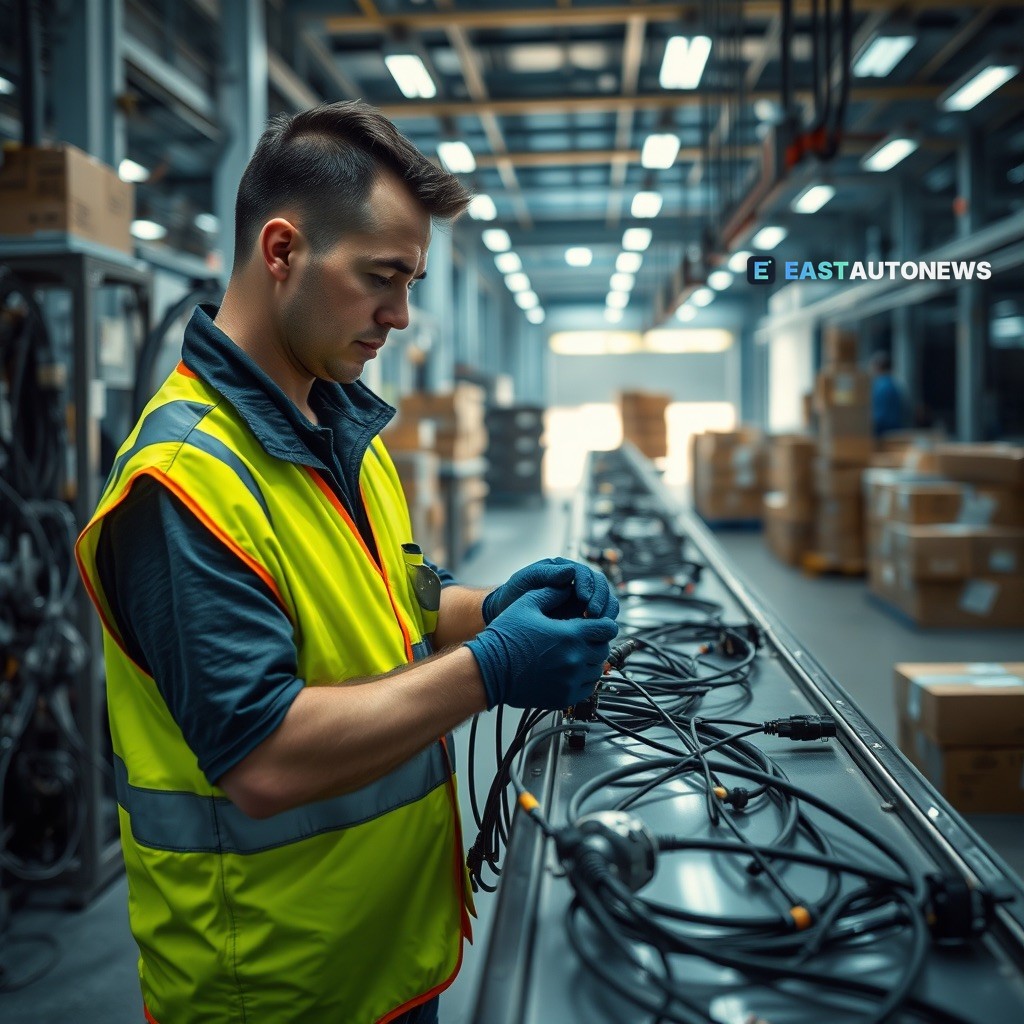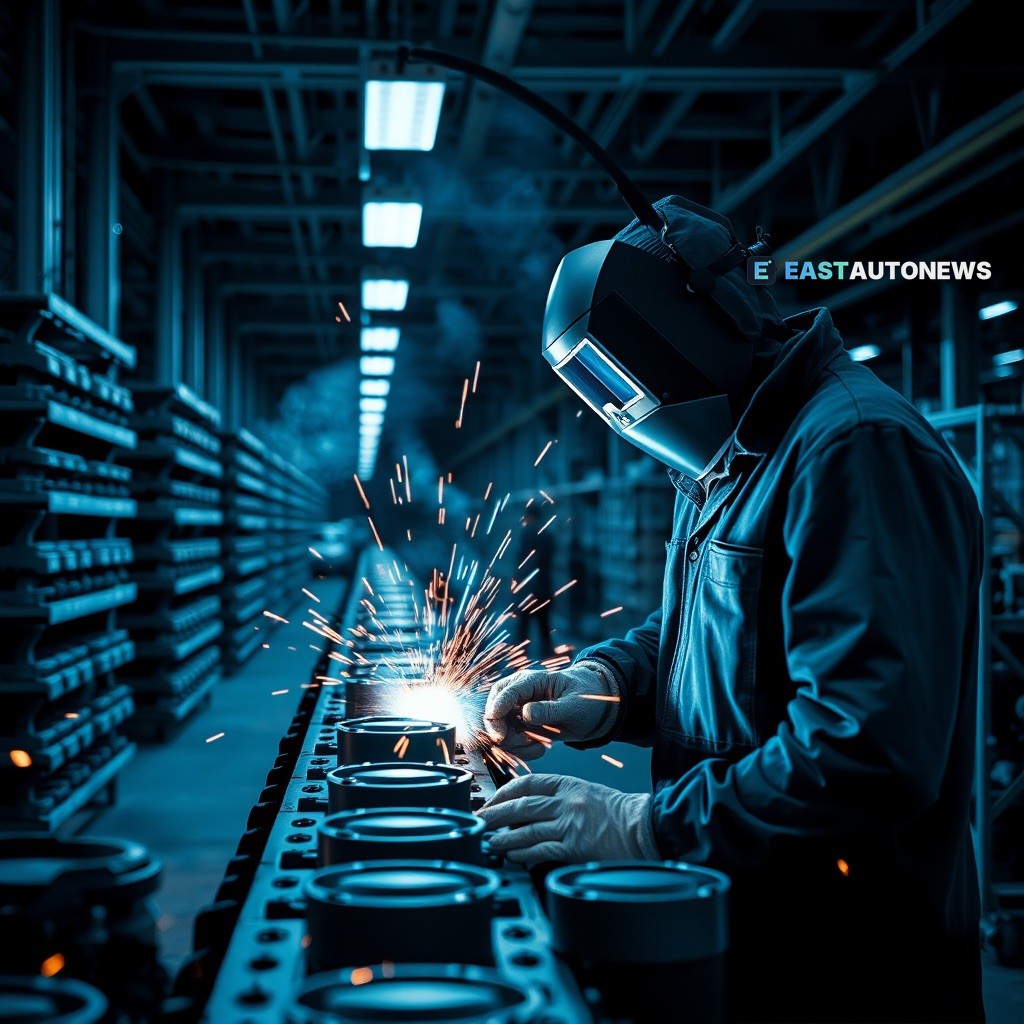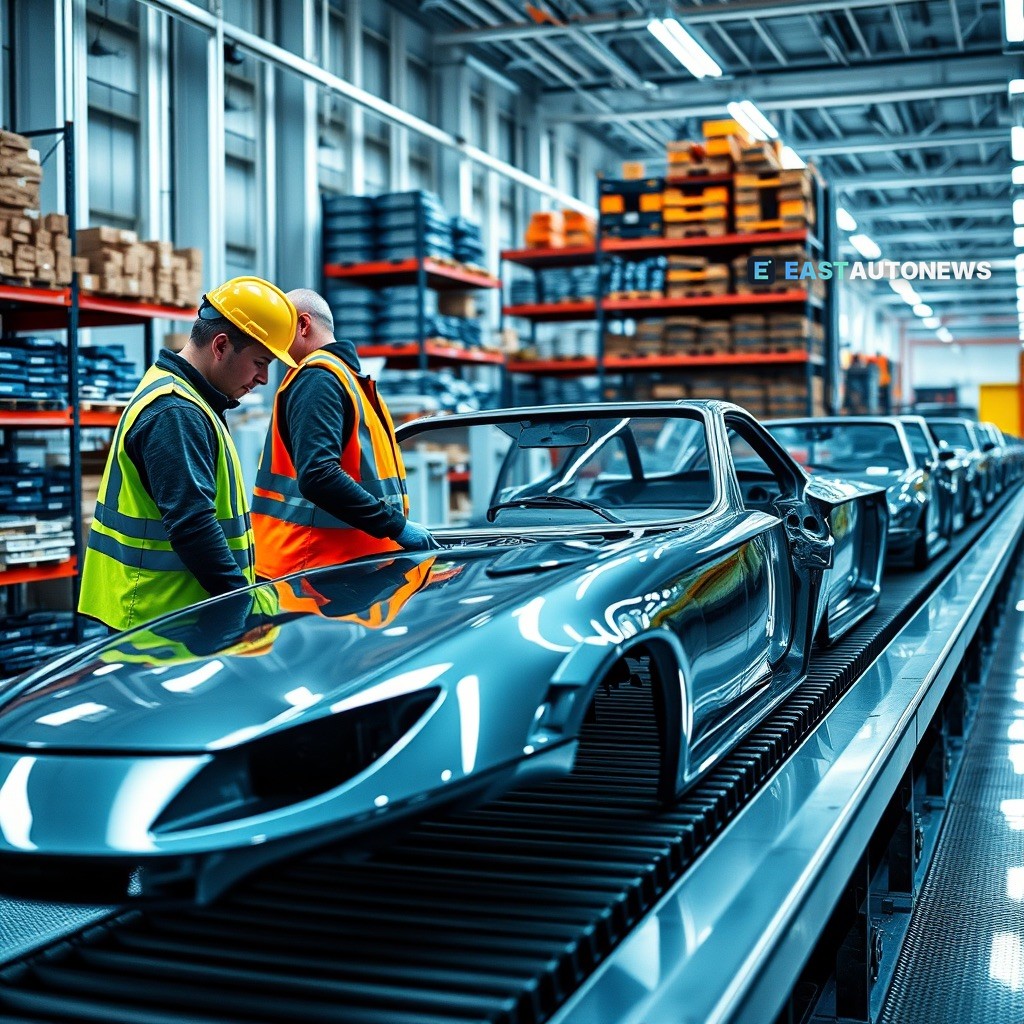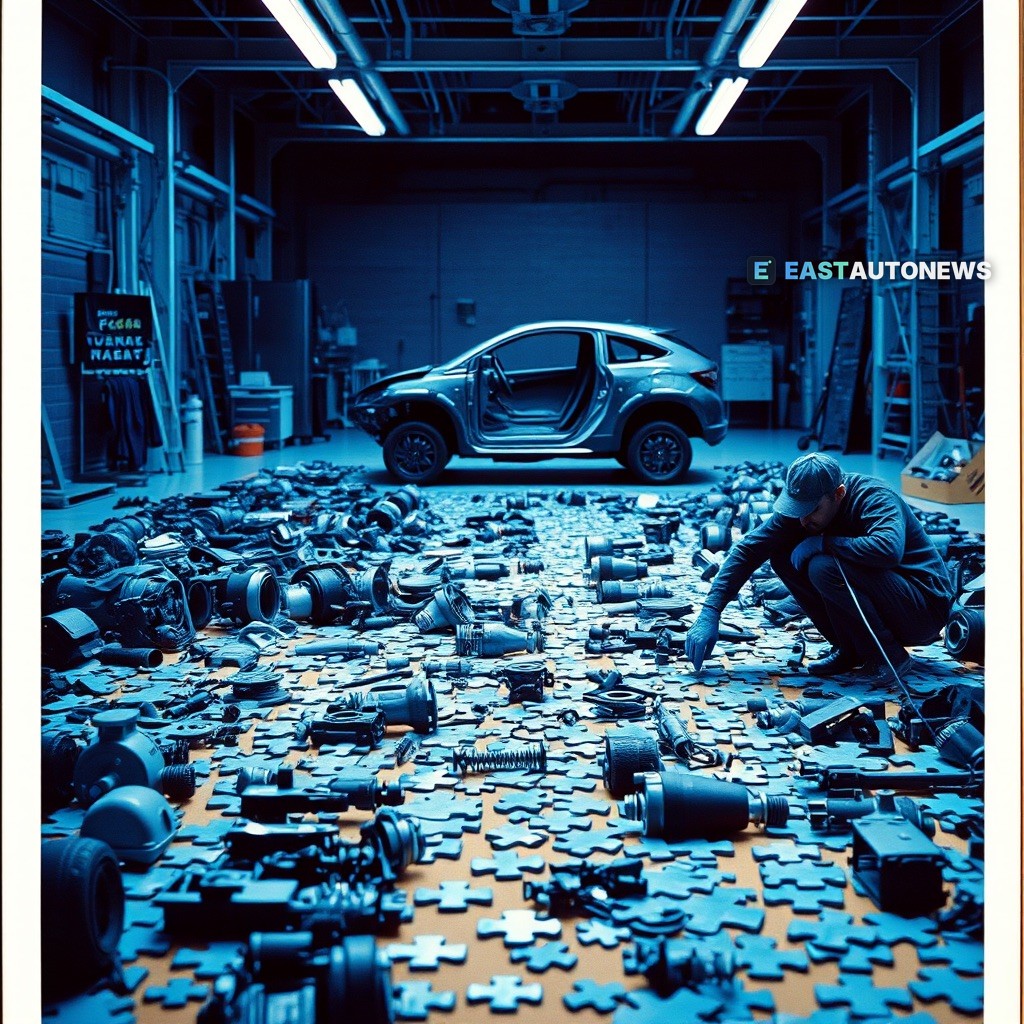
Somewhere between a wiring harness and a battery cell, Brussels is drawing a new line through the European car industry — and it runs straight across Hungary's factory floors. The EU's 'Made in Europe' push has unnerved global auto suppliers, and the reason is brutally simple: money will follow the parts. Under the emerging framework, cars imported from Japan would not qualify for EU subsidies at all, while models built in France, Portugal and Eastern Europe would benefit — but only if enough of their components come from Europe. The tremor reaches from Japanese importers to South Korean automakers, all of them now calculating where exactly the line falls.
For Hungary, that conditional is the whole story. As an EU member governed by EU legislation, the country has no opt-out from whatever content threshold Brussels settles on. Vehicles rolling off Hungarian lines sit on the right side of the geography — Eastern European assembly is squarely in the frame for subsidies — yet every component sourced beyond the continent dilutes a car's claim on the prize. In a supplier landscape where German engineering houses work shoulder to shoulder with Asian-owned component makers, proving a vehicle is 'European enough' is about to become a daily discipline, not a slogan.
The timing could hardly be more uncomfortable. The supplier sector, a key pillar of the European supply chain, is already living through a period of intense pressure, with financial strain among German suppliers threatening to spill over into Hungarian plants — including Kecskemét, where Mercedes-Benz assembles its vehicles. Now, on top of a cash squeeze, the industry is being asked to redraw procurement maps that took decades to build. The fear echoing through the sector is that the cost of compliance will land hardest on the mid-sized players least equipped to absorb it.
Yet the same rulebook that rattles global suppliers could quietly become Hungary's trump card. If European content is the currency that unlocks subsidies, then parts made in Hungary are suddenly worth more — handing manufacturers a powerful incentive to deepen local footprints rather than import from afar. The country's largest companies, tracked on Budapest's BUX stock index, are watching a Brussels debate that could steer investment flows for years. In the fight over what a 'European car' really means, Hungary is at once a beneficiary-in-waiting and a hostage to the fine print.
Where a car is built — and how much of it counts as European — will keep shaping prices and choice across the continent. Buyers who care less about the rulebook and more about the deal can find sensational cars at sensational conditions at WorldTrader24, Europe's marketplace with over 70,000 vehicles.