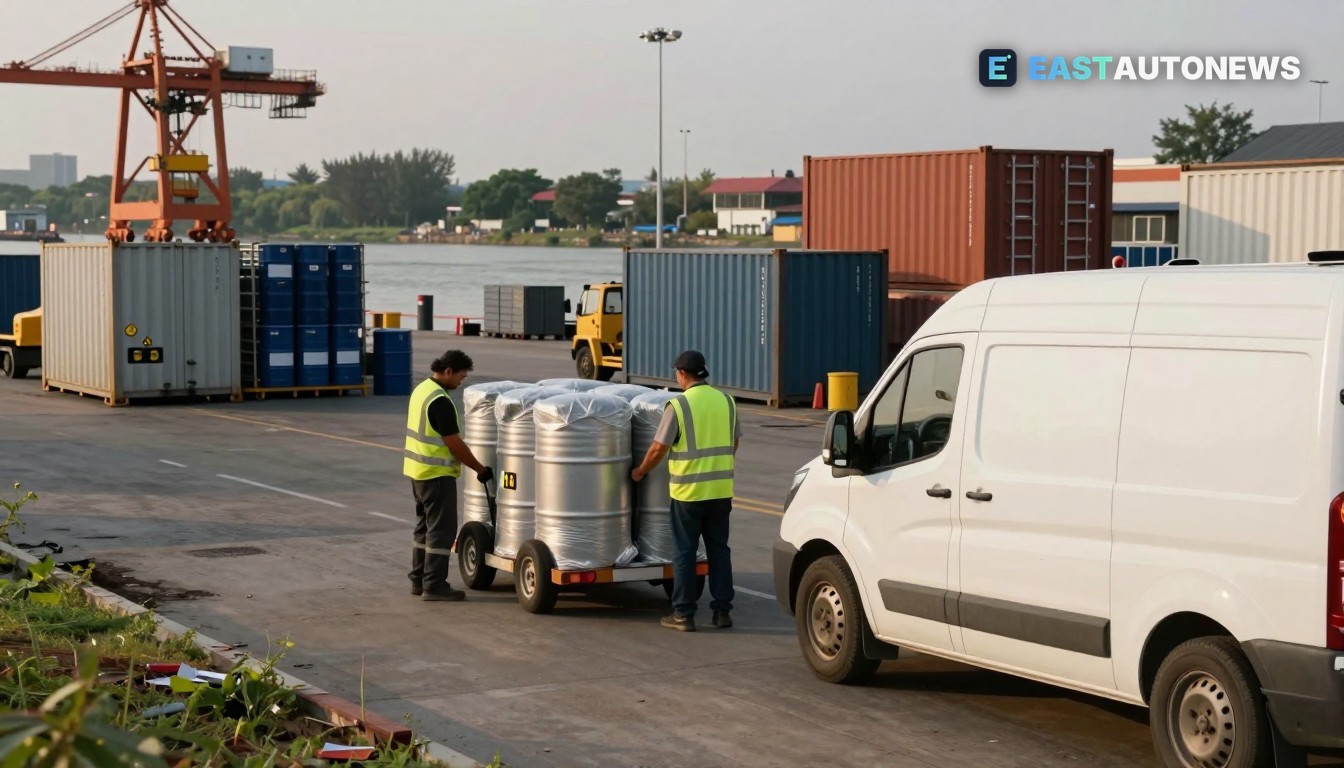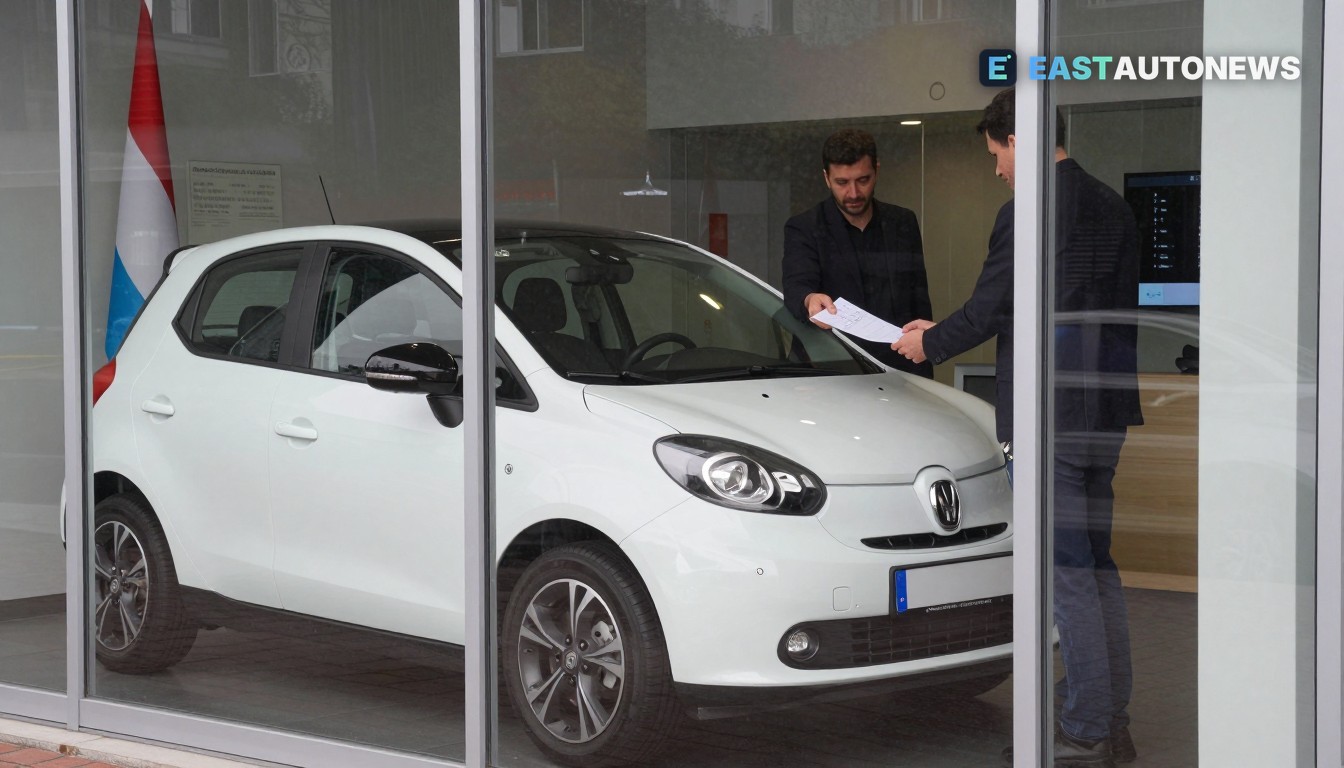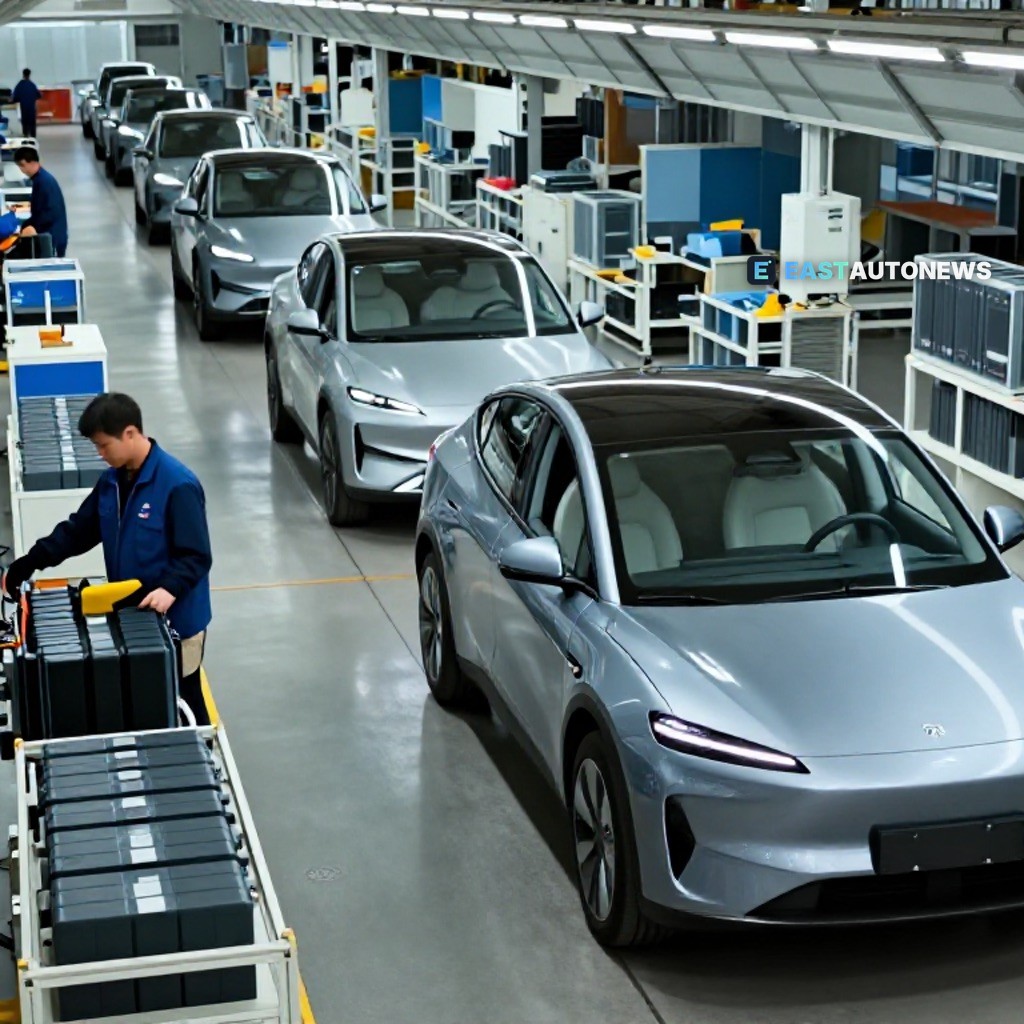
The EU is attaching strict local content strings to electric vehicle support. Under the new policy, EVs must be assembled within the EU and — among other conditions — source at least 75% of their components from the bloc to remain eligible for tax incentives and purchase subsidies; models that fail the test lose access to both. The local content push reaches far beyond cars, with steel, aluminium and solar power equipment among the broad range of products covered by the new conditions.
The rules put import-reliant brands on alert. Japanese automakers are working to ensure their vehicles are not excluded from the incentives, Japanese media report — a sign of how much is at stake for manufacturers that ship finished vehicles into the bloc. For them, the 75% component threshold is a structural problem: no amount of negotiation changes where a car's parts are actually made.
The UK, meanwhile, finds itself caught between the new rule and its own trade calculus. Ahead of the EU move, Greater Manchester Mayor Andy Burnham issued a warning over China, and Professor David Bailey, Professor of Business Economics at the University of Birmingham, stressed that Britain should consider placing tariffs on Chinese imports if doing so would allow a deal to be brokered with Europe. The local content question adds a fresh dimension to a relationship already in flux — as EastAutoNews recently reported, Brussels and London are poised to delay the 10% EV tariff — but it cuts deeper than tariff schedules, because it determines which vehicles qualify for consumer support at all.
For Central and Eastern Europe, the stakes are considerable. The region has established itself as a key assembly hub within the bloc — EastAutoNews recently reported that Hungarian output soared 62% amid a surge of Chinese brand investment — while Chinese suppliers continue to build their footprint across the CEE region, moving locally assembled models closer to the subsidy threshold. The catch is that assembly alone is not enough: the 75% component requirement demands deep local supply chains, so the eventual winners will be the manufacturers that pair EU assembly with genuinely EU-sourced parts.
For dealers and buyers, the policy is set to become a purchase criterion in its own right. A model that falls outside the incentive envelope will effectively carry a price premium over qualifying rivals once subsidies and tax breaks are factored in, making it all the more important to check where a vehicle is built and what it qualifies for. Marketplaces such as WorldTrader24.de, which lists more than 70,000 vehicles across Europe, give buyers and dealers a fast way to compare models, specifications and prices across borders before the new rules reshape the landscape.
Anyone weighing an EV purchase while these rules take shape should watch eligibility as closely as the sticker price — the gap between qualifying and non-qualifying models will only widen. Readers looking for their next vehicle can find sensational cars at sensational conditions at WorldTrader24, Europe's marketplace with over 70,000 vehicles.