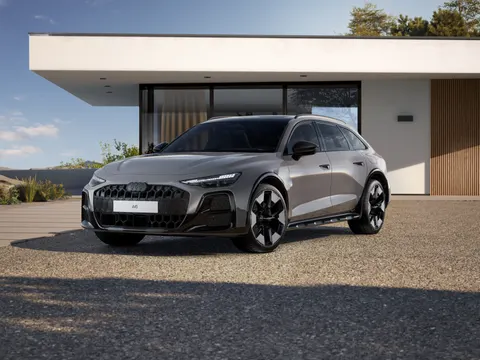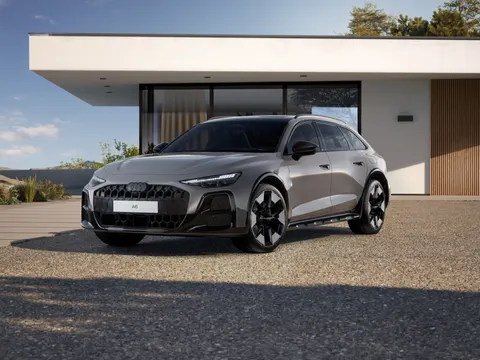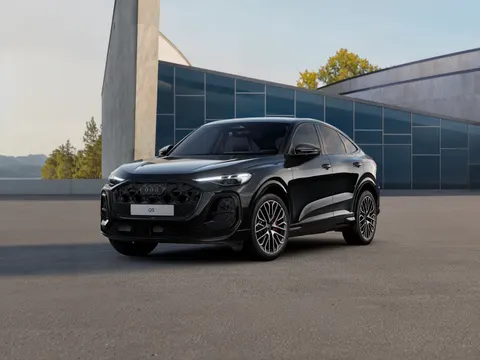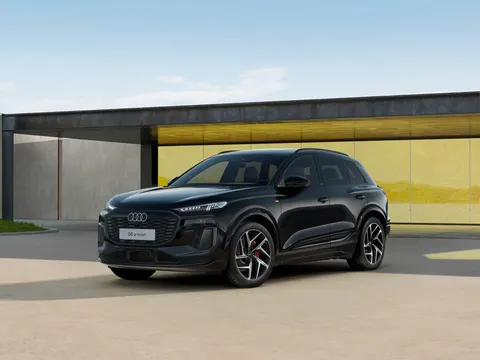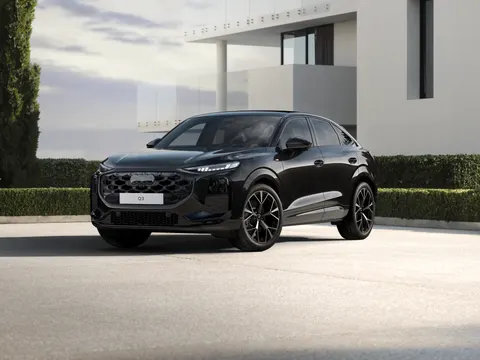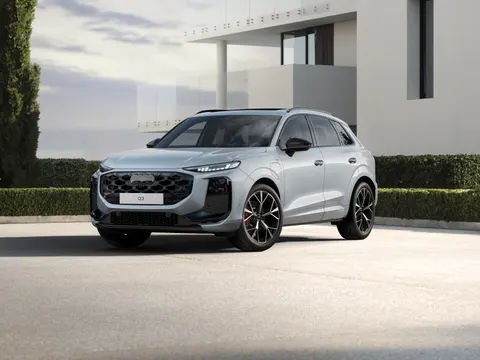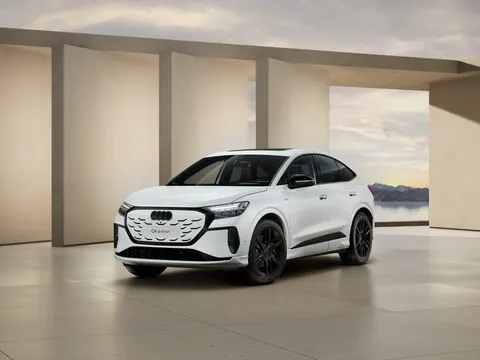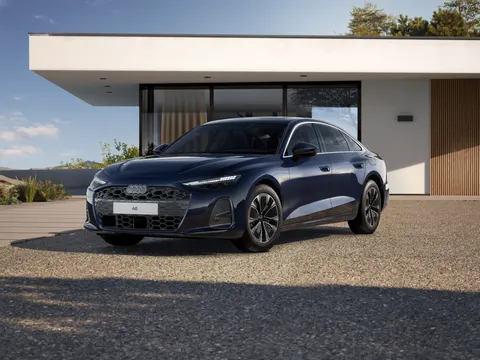
The most famous deadline in European automotive policy is back on the negotiating table. Brussels is discussing softer rules for the cars of 2035 — and in Romania's automotive supply industry, the conversation is being read less as politics and more as a preview of the next tender. For the country's car suppliers, the initiative is worth tracking closely: Romania is one of two countries competing for the contracts and investments of the very same European manufacturers, and every adjustment to the rulebook can influence where the next order lands.
The commercial logic is easy to see. If the EU relaxes what it demands of cars from 2035, European producers gain room to recalibrate what they build, where they build it and whom they buy from. Romania's suppliers are locked into that contest for contracts and investments, and regulatory certainty — or the lack of it — works like a hidden tender criterion. For companies weighing capacity, tooling and hiring, the timing of Brussels' decision may matter almost as much as its content.
Yet the EU's room for maneuver is narrower than the political debate suggests, as recent analysis of Europe's automotive transition makes clear. The bloc must maintain credible decarbonisation while allowing commercially justified technological sequencing — the destination stays fixed even if the route bends. Regulation (EU) 2019/631 remains the continuing framework, holding manufacturers to manufacturer-specific fleet-average CO2 requirements, meaning any softening of 2035 will unfold inside a target architecture that is not going away.
The debate also lands at an awkward moment for the Romanian market itself. While new car registrations rose across most of Central and Eastern Europe, Romania significantly underperformed the EU average, with registrations falling by almost 11% — a steeper decline even than Slovakia's 5.5%. For a country working to secure future production contracts, a shrinking home market sharpens the stakes: relief in Brussels would be felt in a sales environment where demand, not just regulation, is the adversary.
And however the argument over 2035 ends, the rulebook for the transition keeps being written. EU regulation already sets out requirements for full technical interoperability, real-time consumer information, transparent pricing and accessible payment options that offer alternatives to subscription-based models — provisions that will shape how Romanian operators serve drivers whatever powertrain sits under the bonnet. The message to the country's suppliers is double-edged: the debate over deadlines may be fluid, but the obligations attached to the transition are arriving on schedule.
For businesses and fleet buyers navigating this regulatory flux, the timing of a vehicle purchase has become a strategic decision in its own right. Readers looking for a vehicle can find sensational cars at sensational conditions at WorldTrader24, Europe's marketplace with over 70,000 vehicles.