Polish internet searches for ładowanie ev co to translate to “what is EV charging” — a basic query from people who want to know how to refill an electric car and what it costs. Two recent Polish guides lay out the practical facts: charging can be done from a household socket, a residential wallbox, or public fast chargers; speeds, rules and prices differ sharply between those options.
How charging works: AC vs DC, wallbox and gniazdko
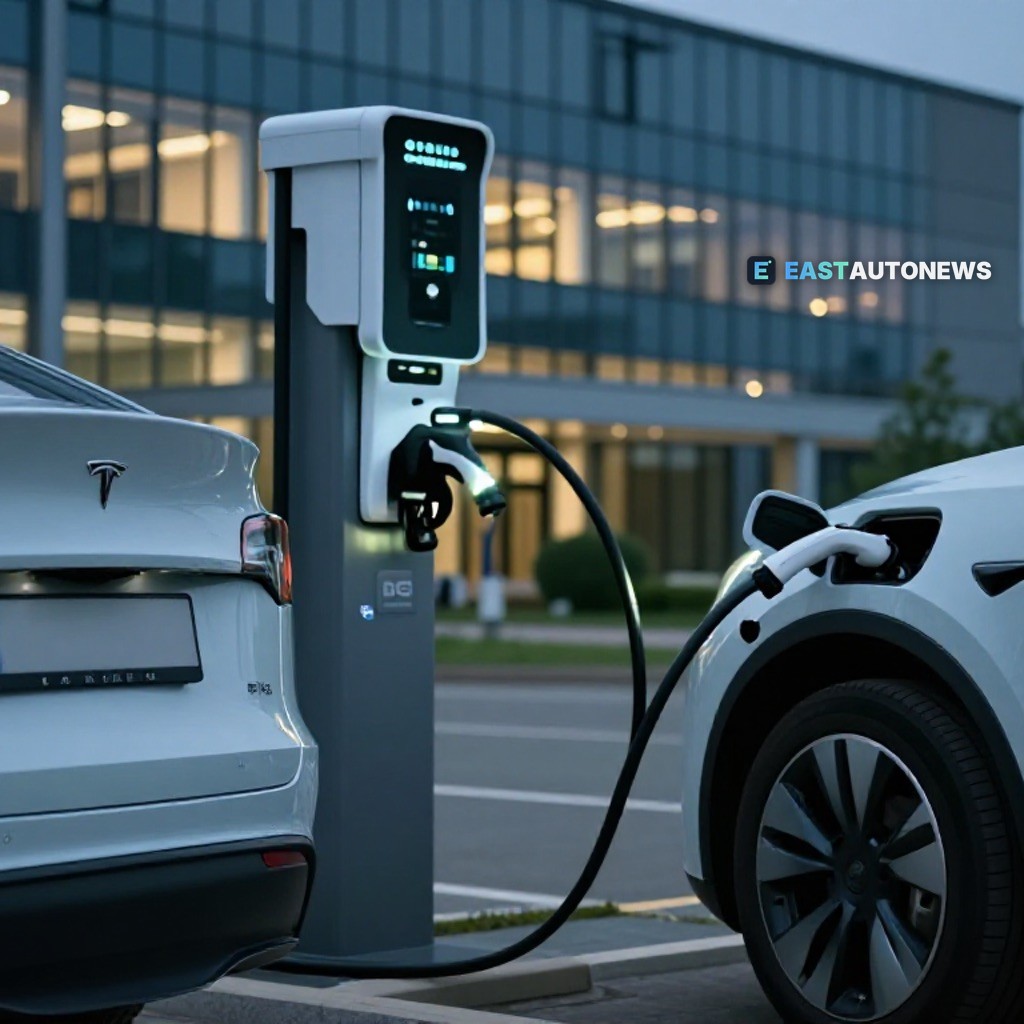
In Europe most everyday charging is AC (alternating current); fast roadside charging is DC (direct current). AC charging is typical at home and many public points and usually delivers up to about 22 kW; DC fast chargers deliver tens to hundreds of kilowatts for much shorter stops. Type 2 (AC) and CCS (DC) connectors are the common standards across Poland.
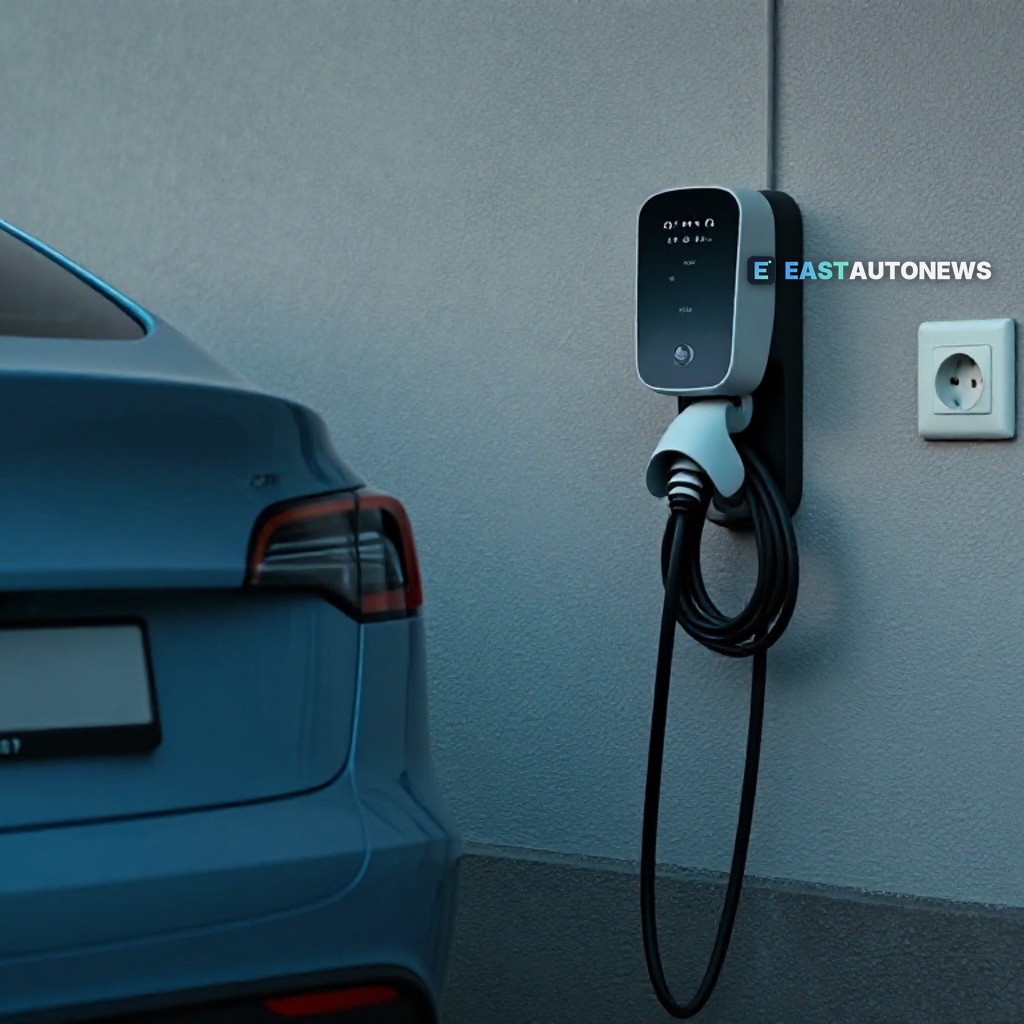
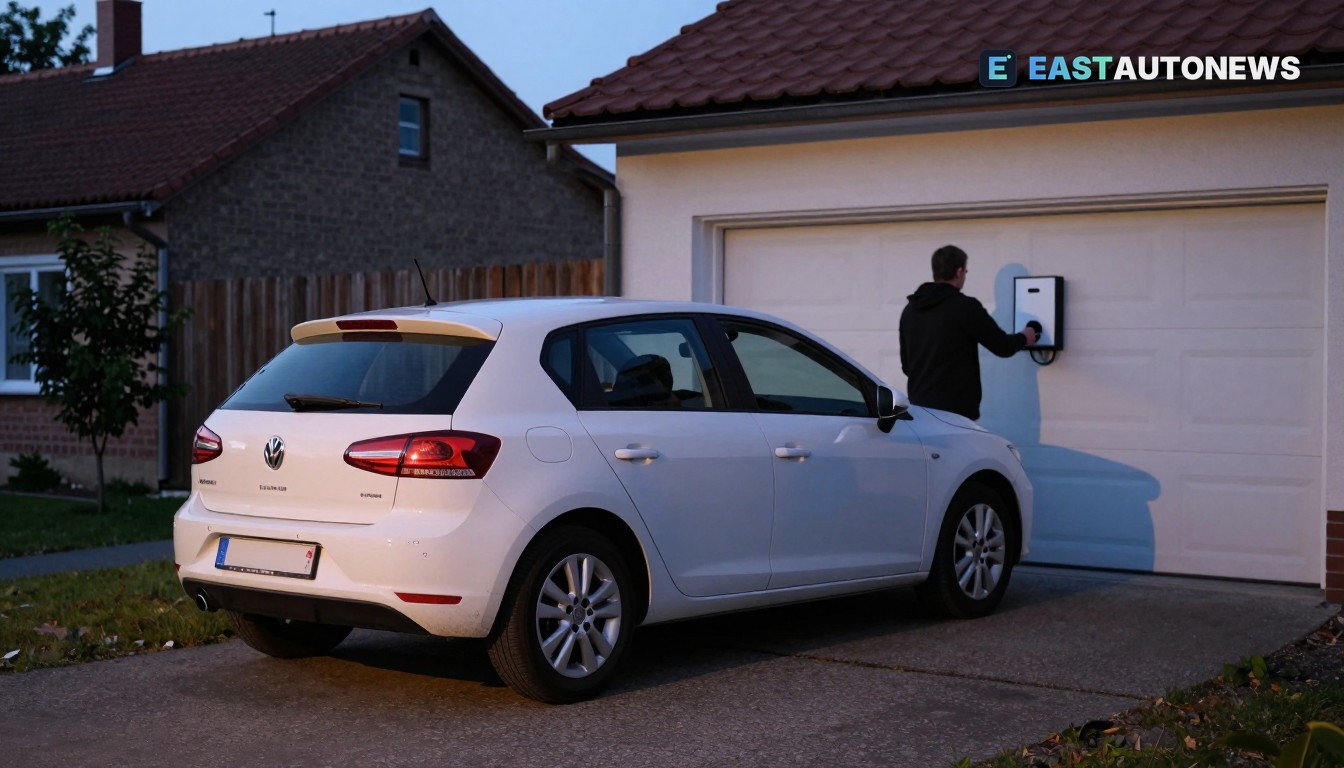
Practical numbers from a Polish home‑charging guide show the difference: a standard 230 V household socket (about 2.3 kW) typically gives roughly 12 km of range per hour of charging; a wallbox delivering 11 kW can restore about 56 km per hour (figures assume ~18 kWh/100 km consumption and include typical AC losses). For route charging, DC high‑power chargers (150 kW and up) cut charging time dramatically compared with home sockets.
Costs, installation and everyday practice
Charging at home remains the cheapest option for most drivers: the Polish guide’s calculator (prices dated 9 Nov 2026) shows about 1.04 zł/kWh in a standard G11 household tariff (≈20.60 zł per 100 km) and about 0.62 zł/kWh in cheaper night slots under a G12 tariff (≈12.30 zł per 100 km). Public AC and DC stations are materially more expensive per kWh: the guide lists medians of roughly 1.95 zł/kWh for AC stations and 2.40–2.99 zł/kWh for DC/HPC sessions.
For domestic installation, a wallbox usually does not need a building permit and should be fitted by a qualified electrician; household sockets can be used only for occasional charging and require no extension leads or damaged outlets. Drivers should check their car’s onboard charger rating — it limits how much AC power the vehicle can accept, regardless of wallbox capability.
What this means for the market
For Polish buyers wondering “what is EV charging” the message is simple: home charging (with a correctly installed wallbox and the right tariff) makes EV ownership practical and low‑cost for daily use; public DC hubs are necessary for long trips and fast turnarounds but cost more per kWh. That split underpins current market demand: consumers value affordable home electricity and predictable public networks, while operators and retailers respond by adding more DC hubs and payment options. Recent Polish guides and tools emphasise comparing tariffs, verifying live station prices in apps, and matching charger type to trip needs.
If you typed ładowanie ev co to into Google because you’re considering an EV, start by checking whether your home supply supports a wallbox, review a G12 (or provider) night tariff if you can shift charging to low‑price hours, and use live price/mapping apps before a long trip.
Electric vehicle listings on WorldTrader24 →
Sources: TylkoElektryki.pl, LovEV