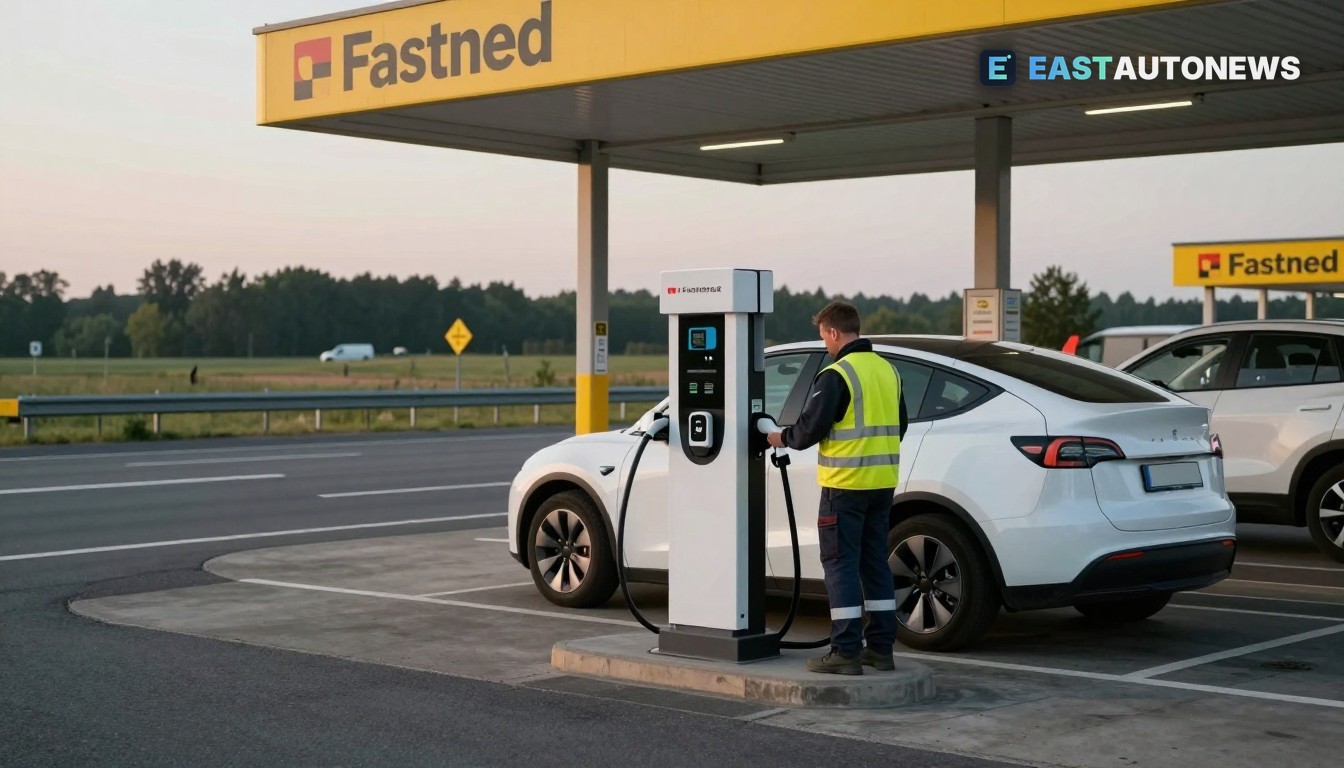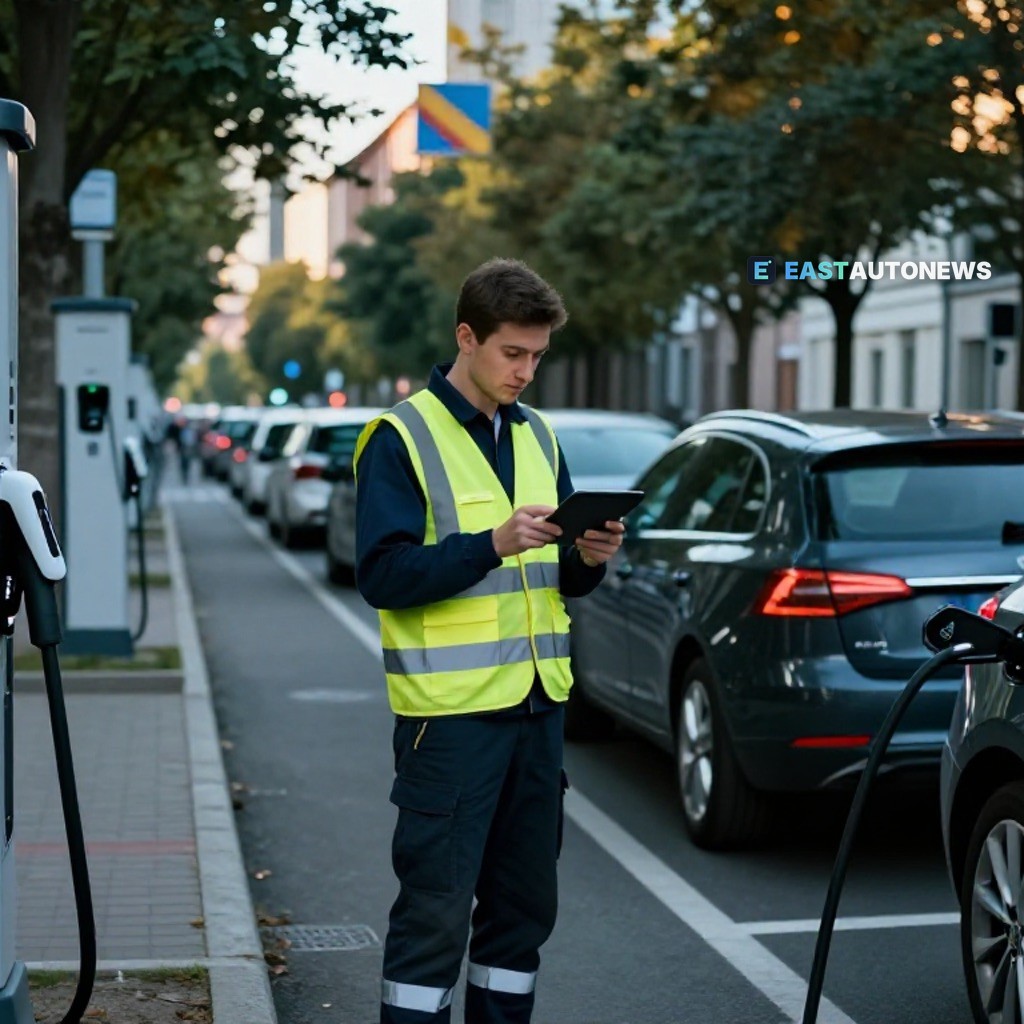
Europe's charging infrastructure is growing in reach and being tested on reliability at the same time. Vienna-based energy utility Wien Energie has expanded its public charging network by 20%, adding 500 new points to reach 3,000 publicly accessible charging stations across Austria — all of them powered by green electricity, Fuel Cells Works reported this week. For a country straddling Central Europe's key transit corridors, the build-out removes one more barrier to EV adoption.
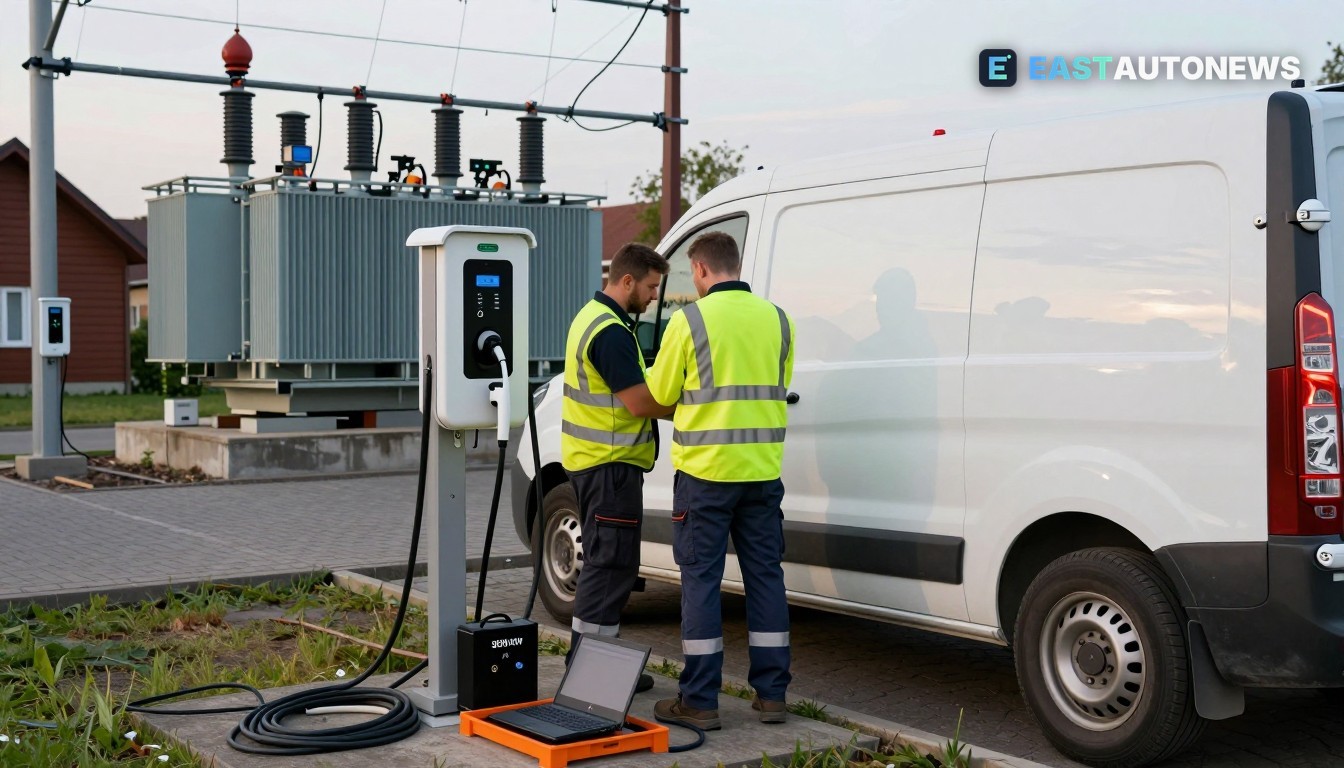
Reliability, however, is the new battleground — as events in Norway show. Charging network operator Ionity has halted its pilot with Polish charging specialist Ekoenergetyka after repeated malfunctions, removed the hardware, and replaced it with charging stations from Huawei — the first time Ionity has installed the Chinese vendor's equipment, electrive reported, citing a company spokesperson. For Ekoenergetyka, one of Poland's flagship charging-technology exporters, losing a high-profile pilot in Europe's most mature EV market is a setback the wider CEE supplier community will watch closely.
The two developments point in the same direction: after years of racing to install points, operators are now competing on uptime. Austria's expansion adds to regional momentum — EastAutoNews recently reported an 85% jump in Slovakia's EV charging points — but the Ionity decision shows that hardware quality can shape a network's reputation just as quickly as coverage can.
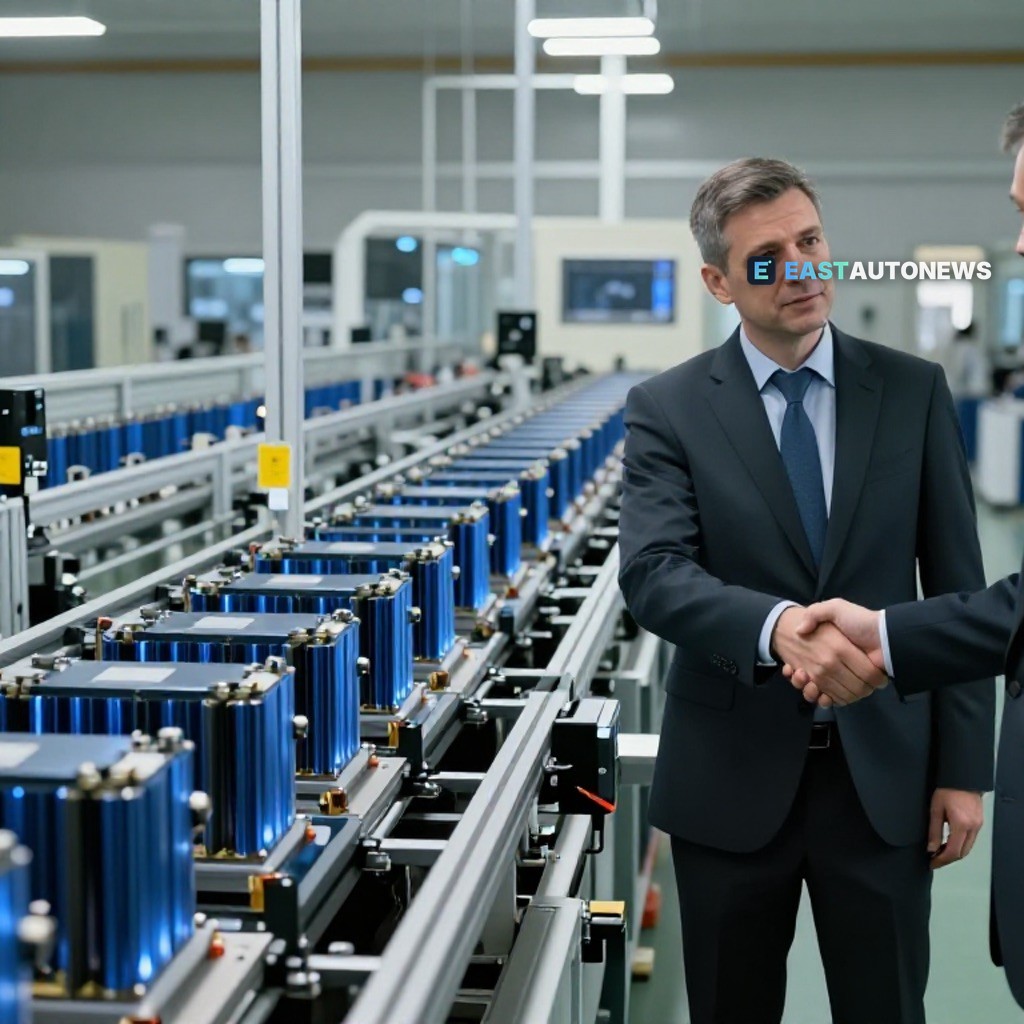
Cost pressure is building in parallel. A new report highlighted by InsideEVs warns that Europe's push for homegrown batteries could add €2,100 to the cost of an EV — putting a hard figure on the price warnings that Mercedes-Benz CEO Ola Källenius and other industry leaders have voiced in recent weeks. In price-sensitive Central and Eastern European markets, every added euro of battery cost weighs on purchase decisions as much as every new charging point.
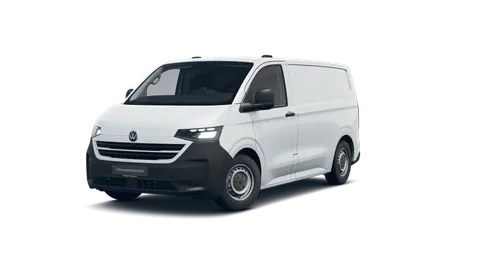
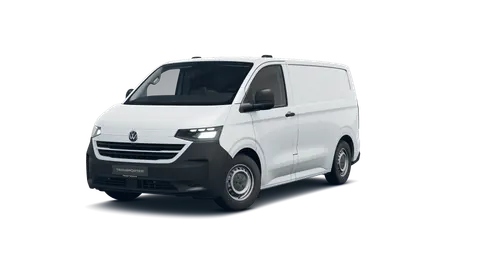
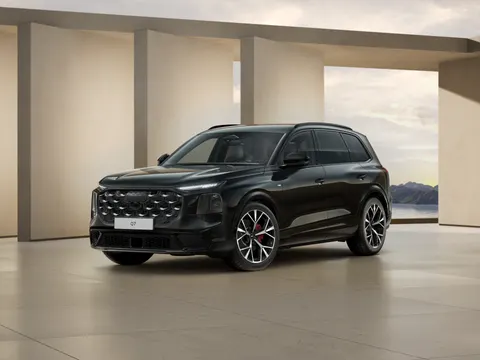
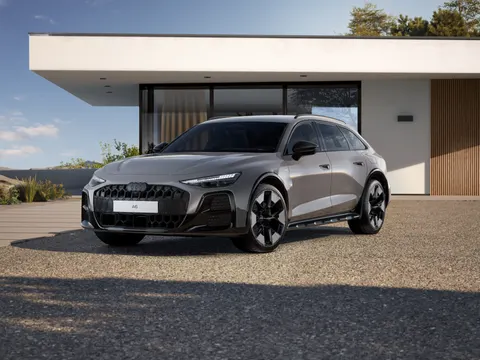
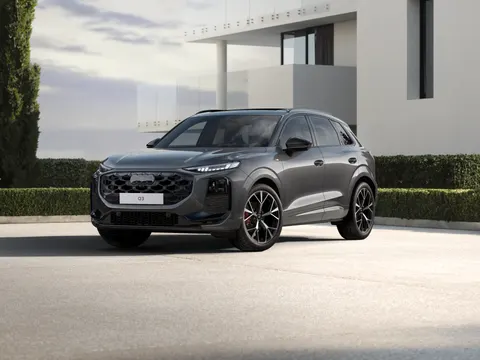
Automakers are pushing ahead regardless. Kia, whose EV9 remains a multi-award-winning flagship, continues to position itself as one of the industry's leading electric car brands — a bet that infrastructure and component costs will settle as volumes grow. For dealers and fleet buyers gauging where electrified demand is heading, marketplaces such as WorldTrader24.de, listing more than 70,000 vehicles across Europe, have become a real-time barometer of which EV and plug-in models are actually moving.
For buyers, the week's lesson is practical: charging networks are expanding, but coverage and reliability still vary by region — so matching your drivetrain to local infrastructure pays off. Readers looking for a vehicle will find sensational cars at sensational conditions at WorldTrader24, Europe's marketplace with over 70,000 vehicles, including a broad range of electrified models in stock.