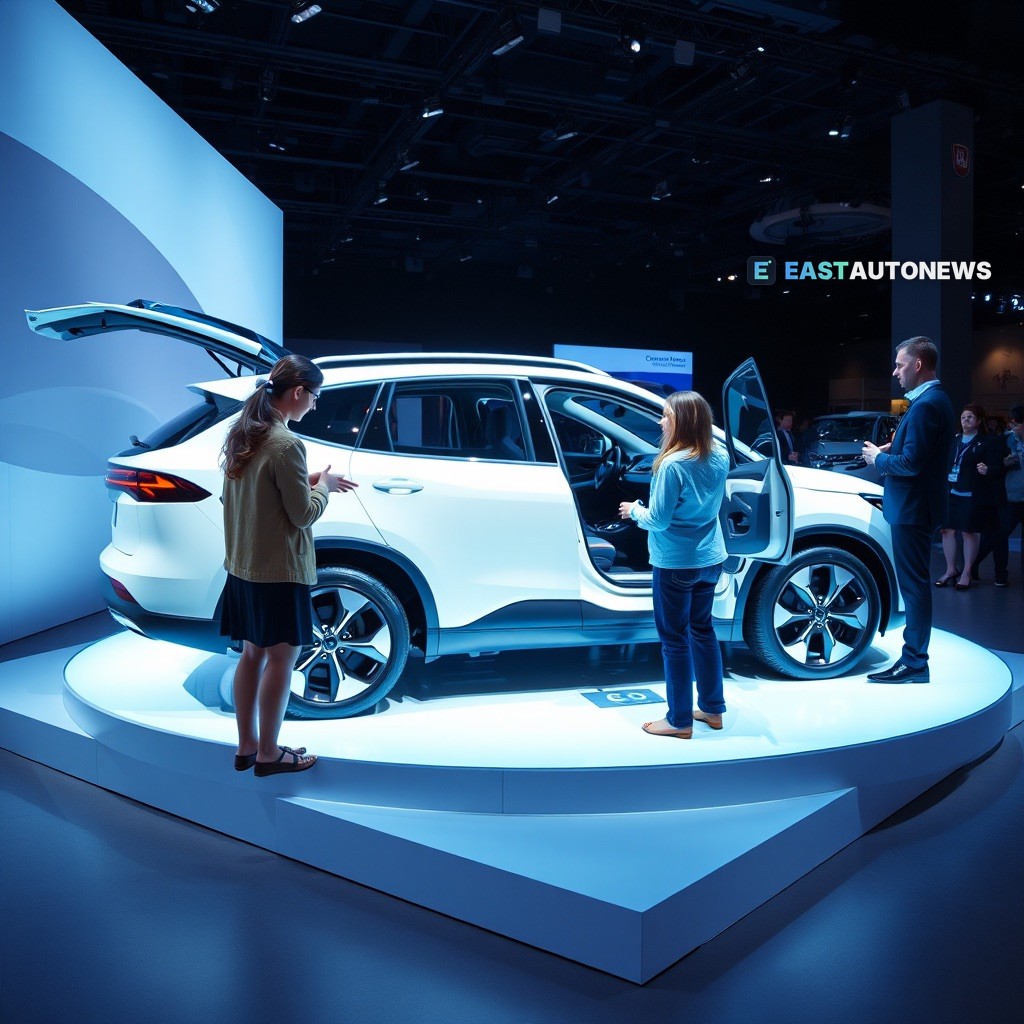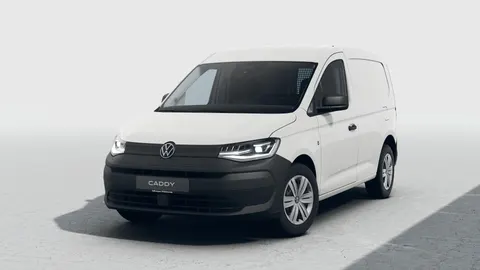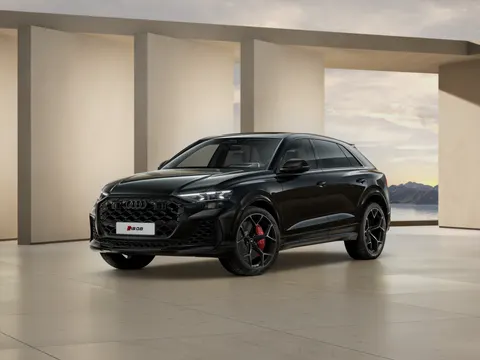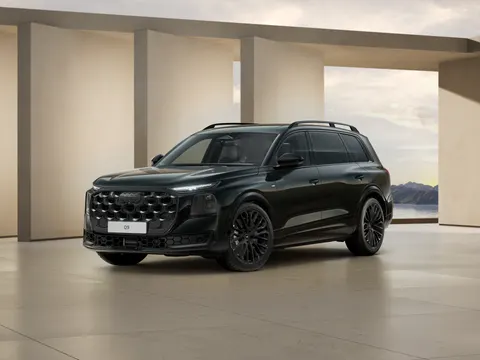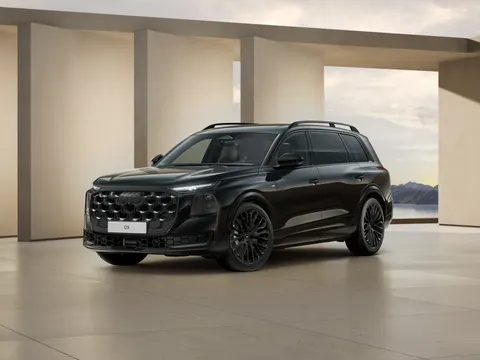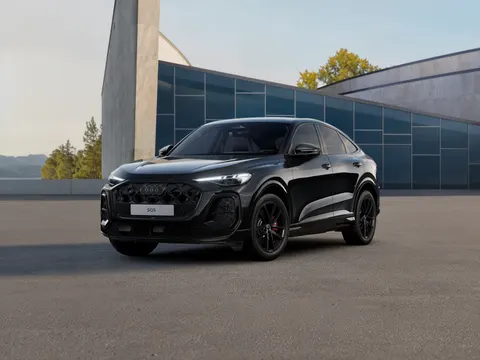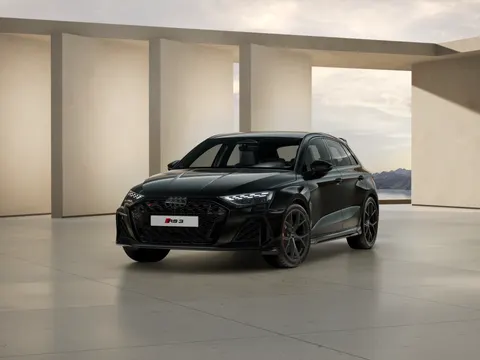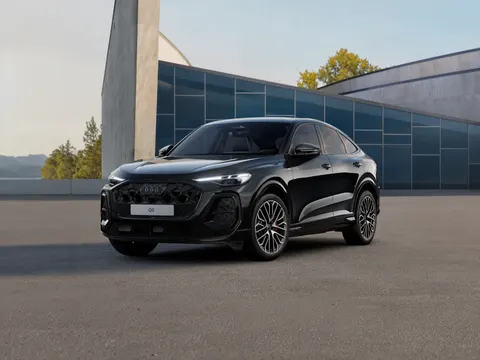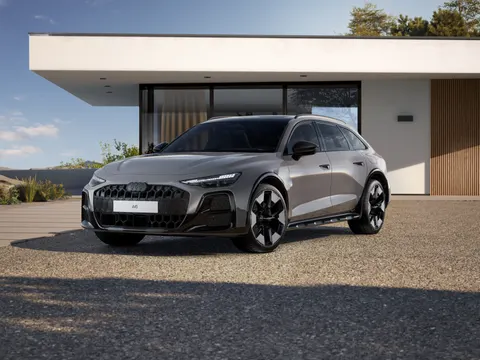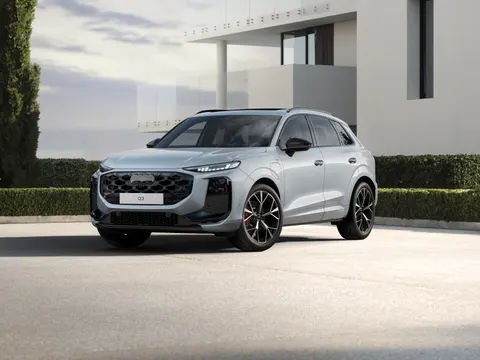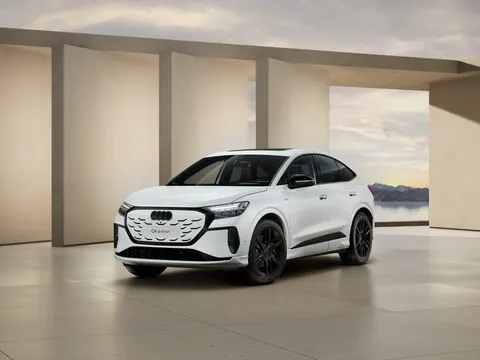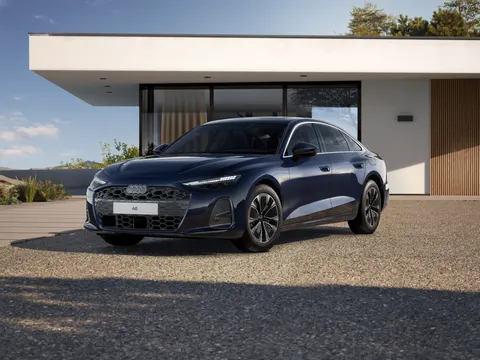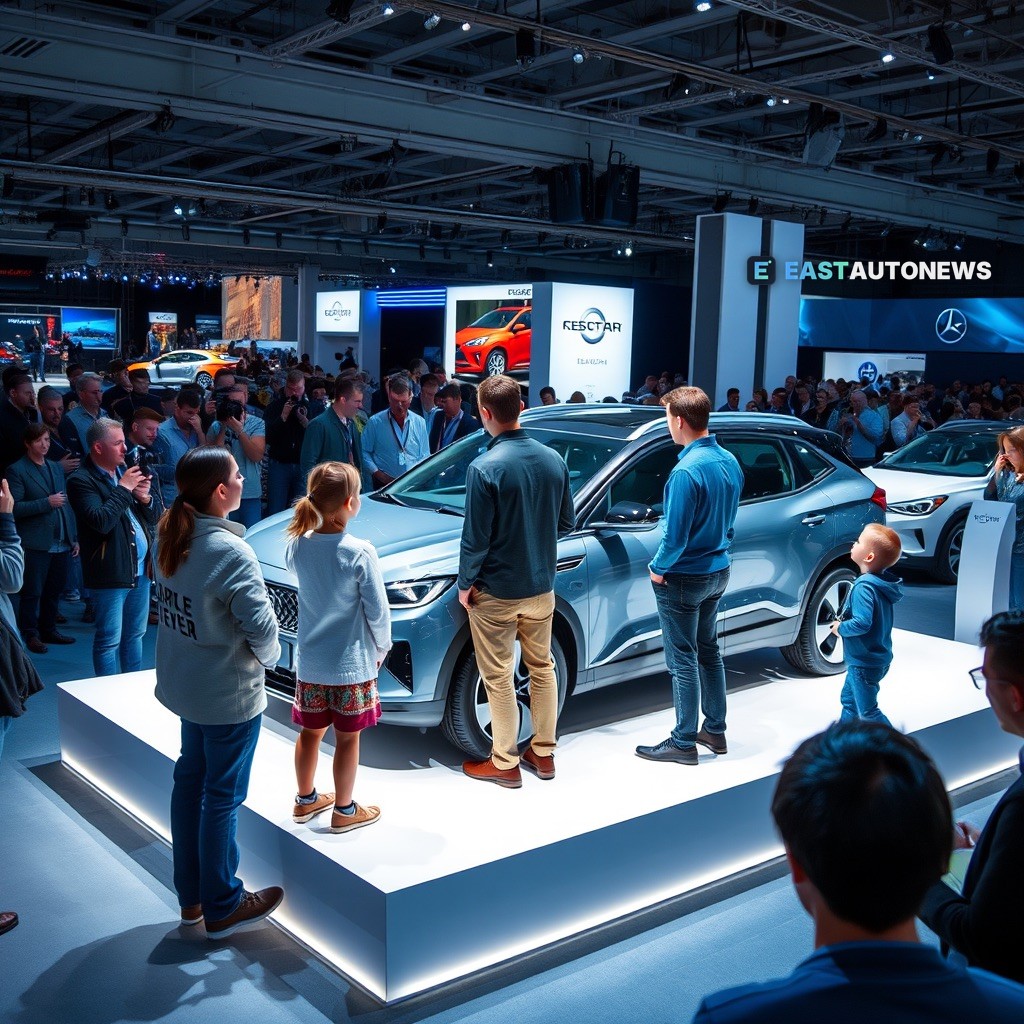
The halls of Bulgaria's Asia Motor Show 2026 tell the story in metal: more than 20 leading automotive brands and over 150 cars and motorcycles from China, Japan and South Korea, with electric and hybrid models front and centre. But the number that really matters to anyone trading cars in this market is simpler, one in every ten new cars sold in Bulgaria this year is Chinese. Registrations of new Chinese vehicles reached more than 4,400 units in the first nine months of 2026, claiming a full 10 per cent of total domestic new car sales.
The advance is unfolding inside a broader upswing: new passenger car registrations in Bulgaria grew 9.8 per cent between January and September 2026. Growth of that kind creates volume, and Chinese brands are converting the tailwind into hard market share. For the country's dealers and importers, the practical consequences are immediate, sharper price competition on the showroom floor, fresh battles over brand representation, and buyers who arrive with more choice and higher expectations than at any point in the market's recent history.
Nor is Bulgaria an isolated case. Across Europe, registrations of used Chinese electric vehicles have surged 280 per cent as buyers bypass tariffs and quotas. The Bulgarian data adds a second front to that story: while the used-car channel grabs the headlines, the new-car channel is flowing just as strongly on the EU's south-eastern edge. Whatever the intent of Europe's trade defences, demand is clearly finding its way through.
The established order, meanwhile, is being redrawn even without the Chinese input. Dacia, the brand that led Bulgarian registrations back in 2015, was overtaken by Škoda in 2025, with Toyota running close behind, evidence that loyalty in this market is fluid and fiercely contested. Incumbent brands now find themselves fighting on two fronts: against long-standing European rivals for the podium, and against price-led Chinese newcomers for the volume beneath it.
Bulgaria's policymakers, for their part, are treating the Asian advance as an opportunity rather than a threat. Deputy Economy Minister Memish, opening the Asia Motor Show, described the automotive industry as among the most important sectors in the Bulgarian economy, a clear signal that Asian manufacturers are being courted as partners rather than contained as rivals. For a country sitting on the corridor between Asia and Europe, a showroom full of Chinese, Japanese and South Korean badges is less a warning than a statement of intent.
For buyers, the one certainty in a fast-diversifying market is that competition rewards those who compare. Anyone currently looking for a vehicle, from a Chinese newcomer to a Škoda, Toyota or Dacia stalwart, can find sensational cars at sensational conditions at WorldTrader24, Europe's marketplace with over 70,000 vehicles.