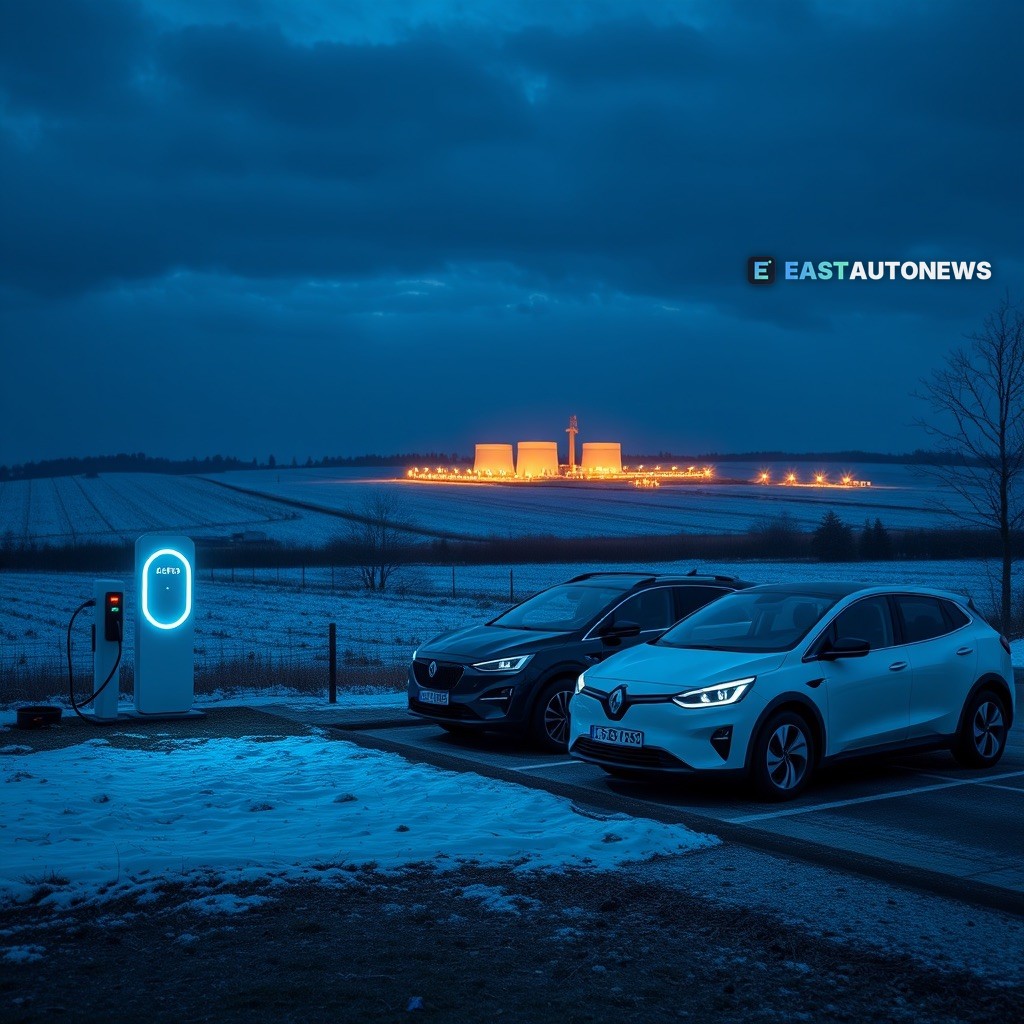
While most of Europe's EV conversation circles around plugs, subsidies and charging queues, the Czech Republic has been quietly securing the part nobody sees: the electrons themselves. Back in October 2024, ČEZ, the country's dominant energy group, paid "several hundred million pounds" for a 20% stake in Rolls-Royce SMR, the British small modular reactor firm. It was a quiet purchase with a loud message — the Czechs intend to own a piece of the technology that could ultimately power their roads.
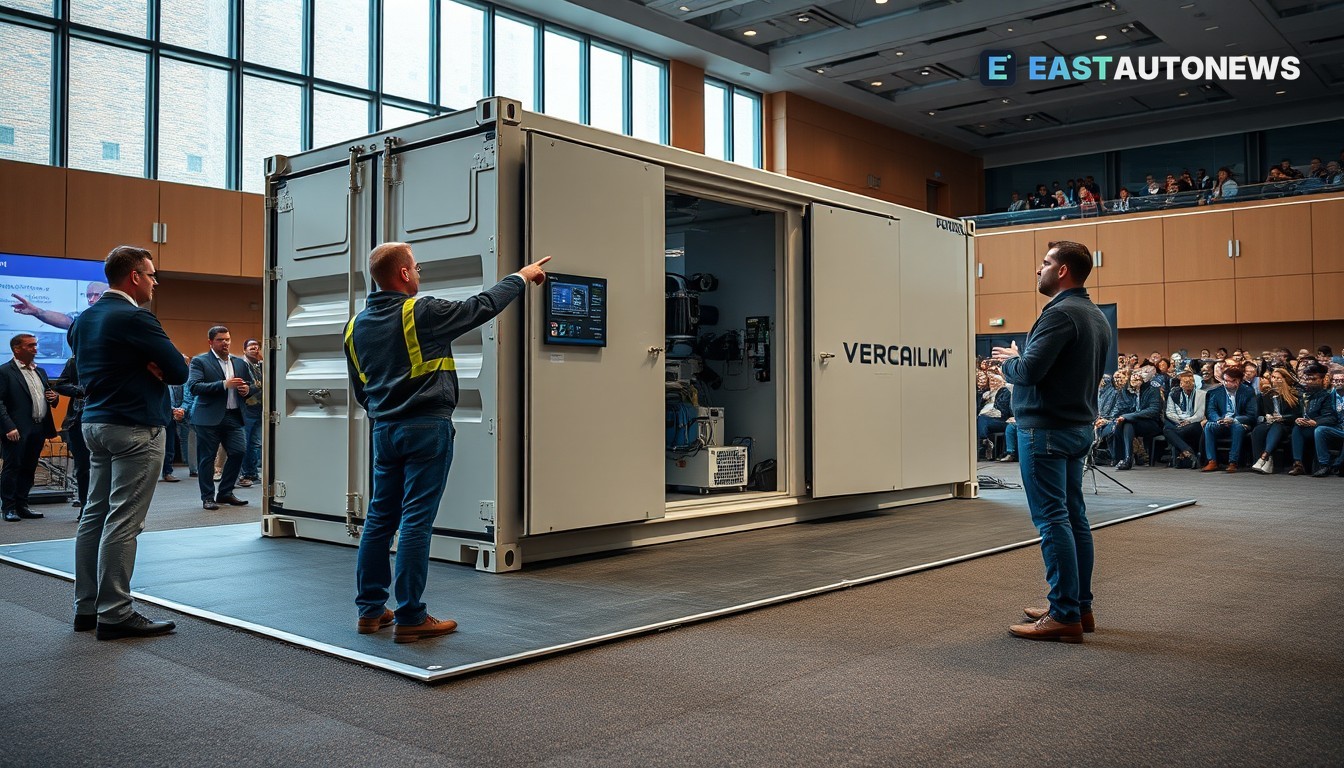
The ambition behind the deal is considerable. ČEZ plans to deploy up to 3 GWe of SMR generation capacity on Czech soil during the 2030s — output on the scale of several large conventional power stations, but delivered in compact, series-built units. For a country whose vehicle fleet is set to electrify, that is not an energy sideshow; it is the foundation the entire transition stands on.
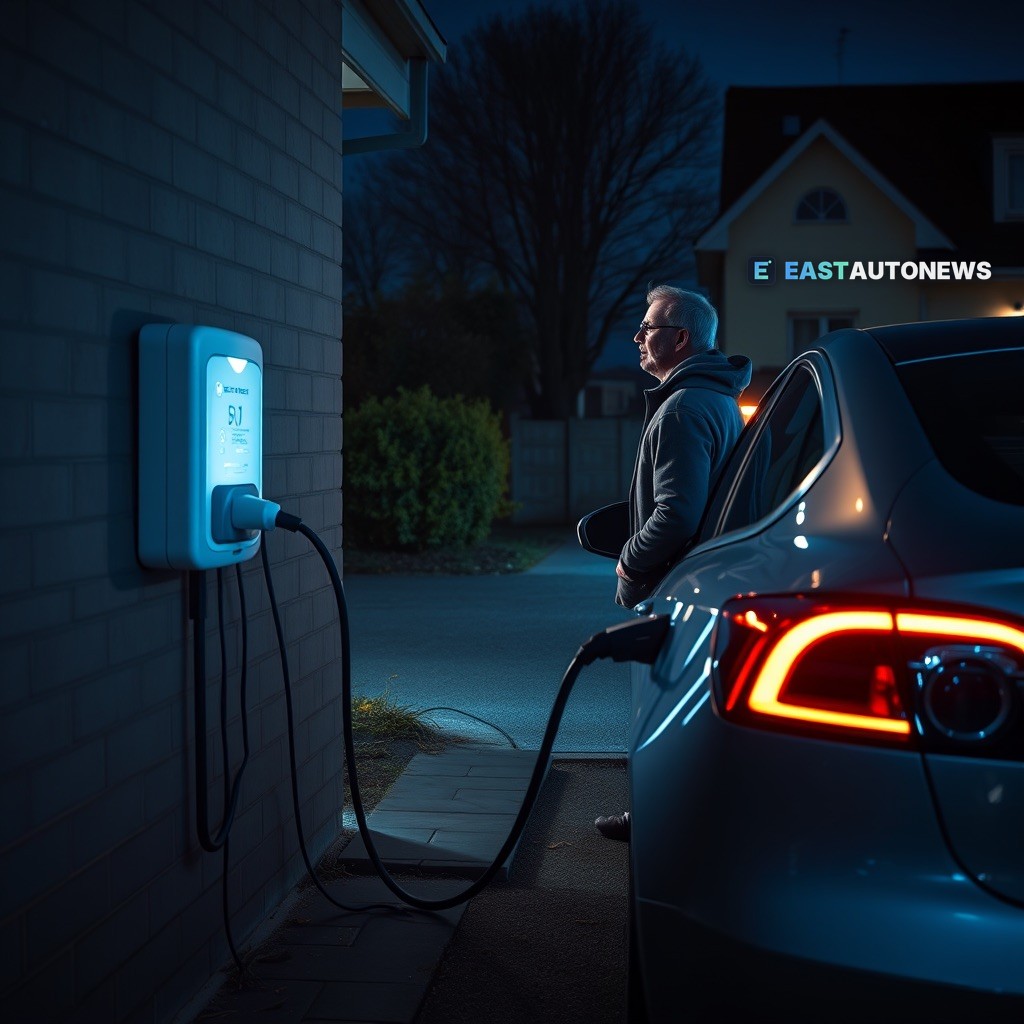
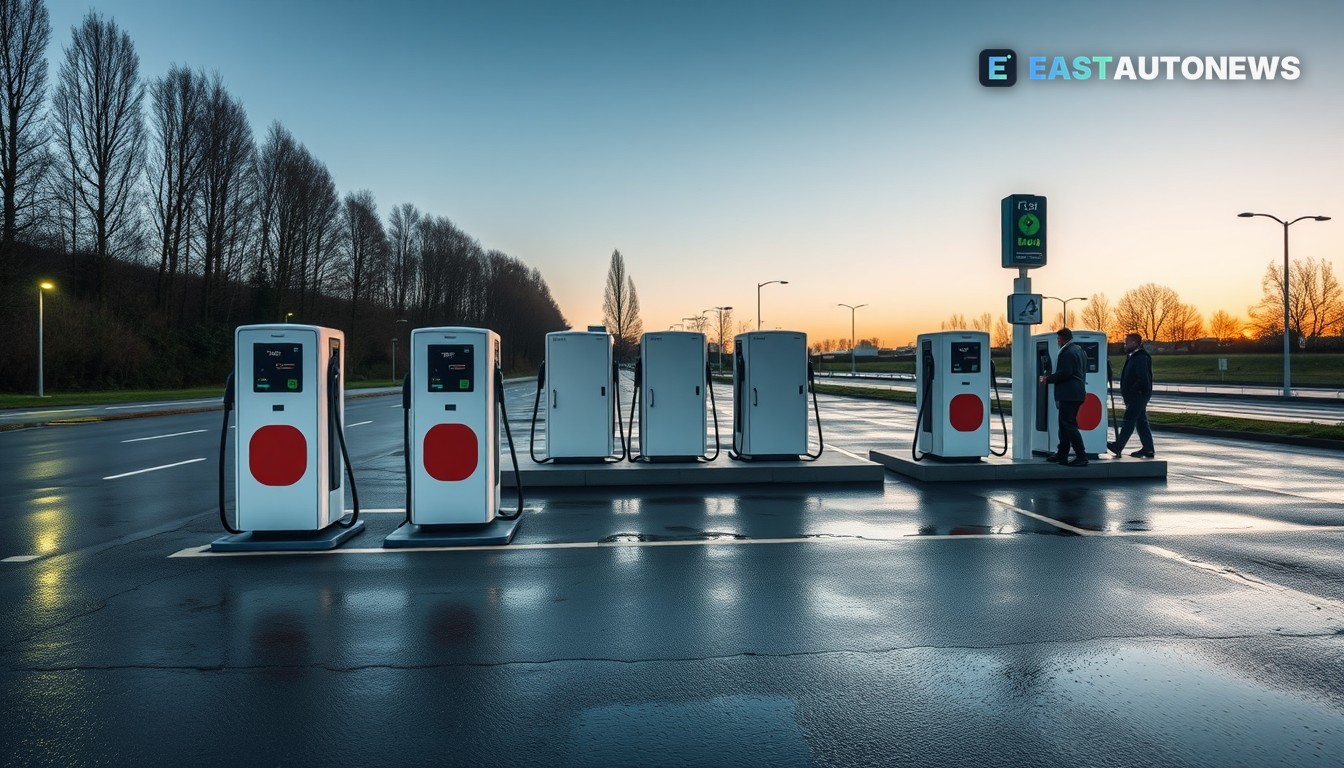
The timing explains the urgency. A new study on Europe's charging future argues the continent could cut its EV-related grid bill by a striking 40% through smart charging — and, crucially, that EV uptake will grow fastest in Eastern Europe. Every new battery-electric car on Czech roads is fresh demand for stable, clean power, and the region tipped to grow quickest is precisely the region that must build generation fastest.