Norway’s state climate fund Enova has approved NOK420 million in grants to support construction and conversion of 12 battery‑powered ships and two shore‑charging facilities, the maritime press reported on 10 November 2026. The package includes almost NOK236m for Hagland Shipping to convert four bulk‑cargo vessels and additional awards for newbuilds and charging infrastructure, and Enova says the projects are expected to cut roughly 21,300 tonnes of CO2 a year.
What Enova approved
The projects span conversions and newbuilds for cargo, workboat and aquaculture vessels. Riviera reported that Hagland Shipping will receive the largest single allocation — almost NOK236m — to convert four ships to battery operation and that grants also back charging or battery‑exchange facilities in southern Norway, including a NOK15m award for Kristiansand Havn IKS’s Mandal project. Riviera adds Enova’s estimate that the combined portfolio will cut about 21,300 tonnes of CO2 annually.
Enova’s move follows its long track record of supporting maritime electrification; Norway now counts more than 500 battery‑equipped vessels in operation, and Enova highlighted the country’s leading position in battery shipping when announcing the allocations.
What this means for the market
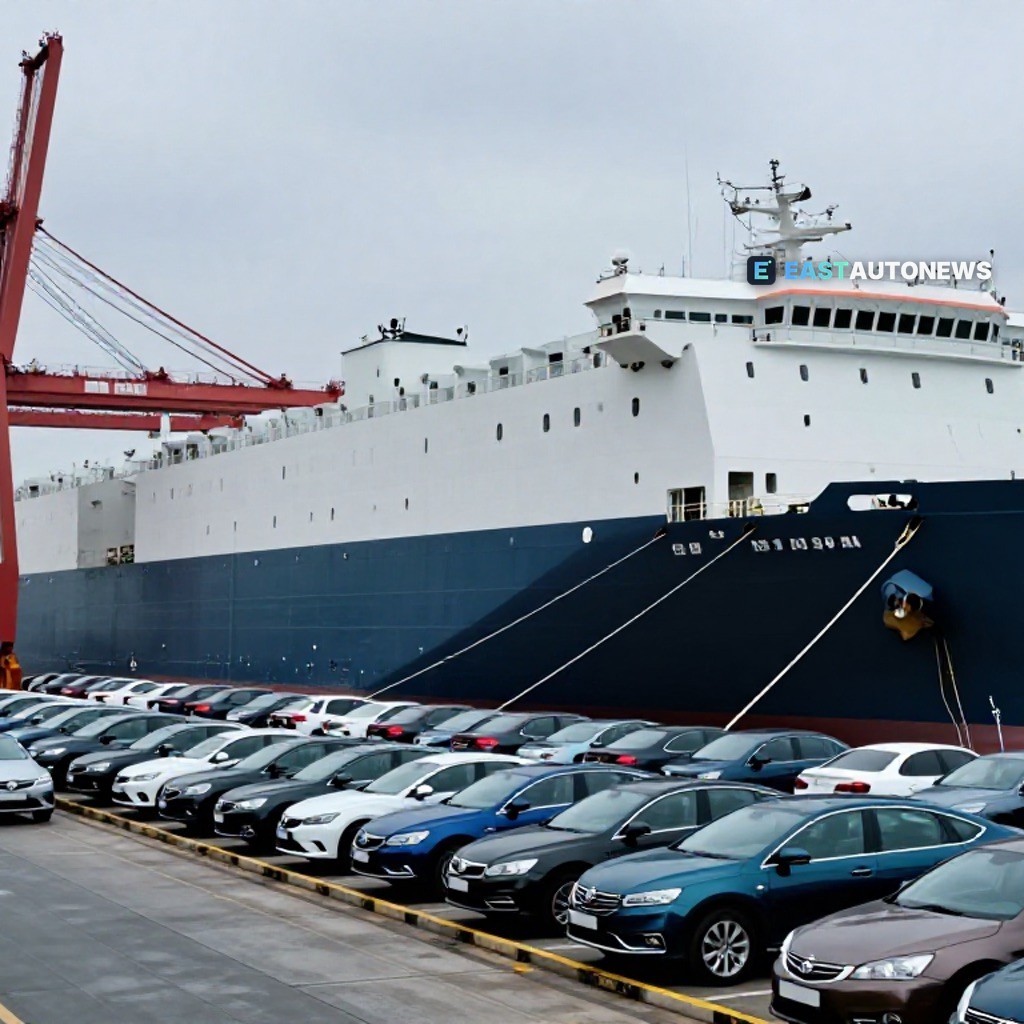
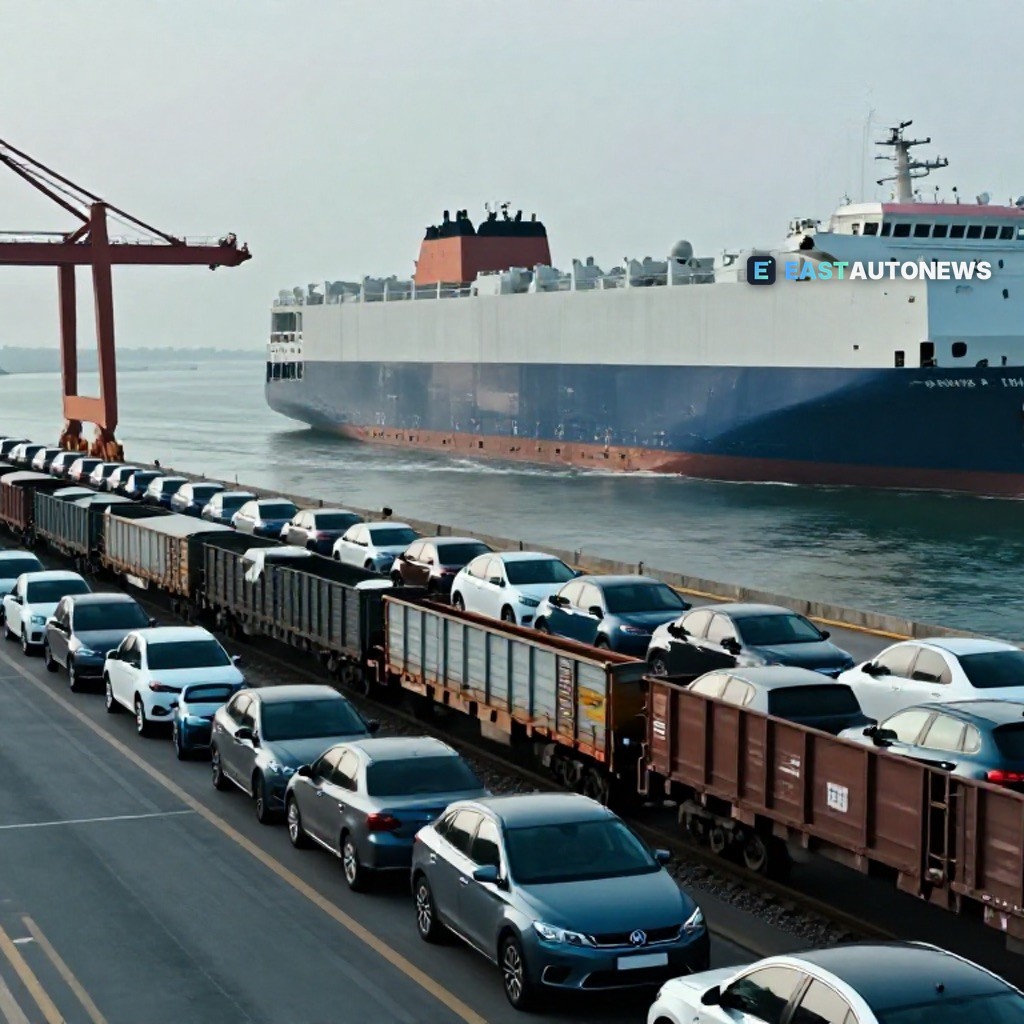
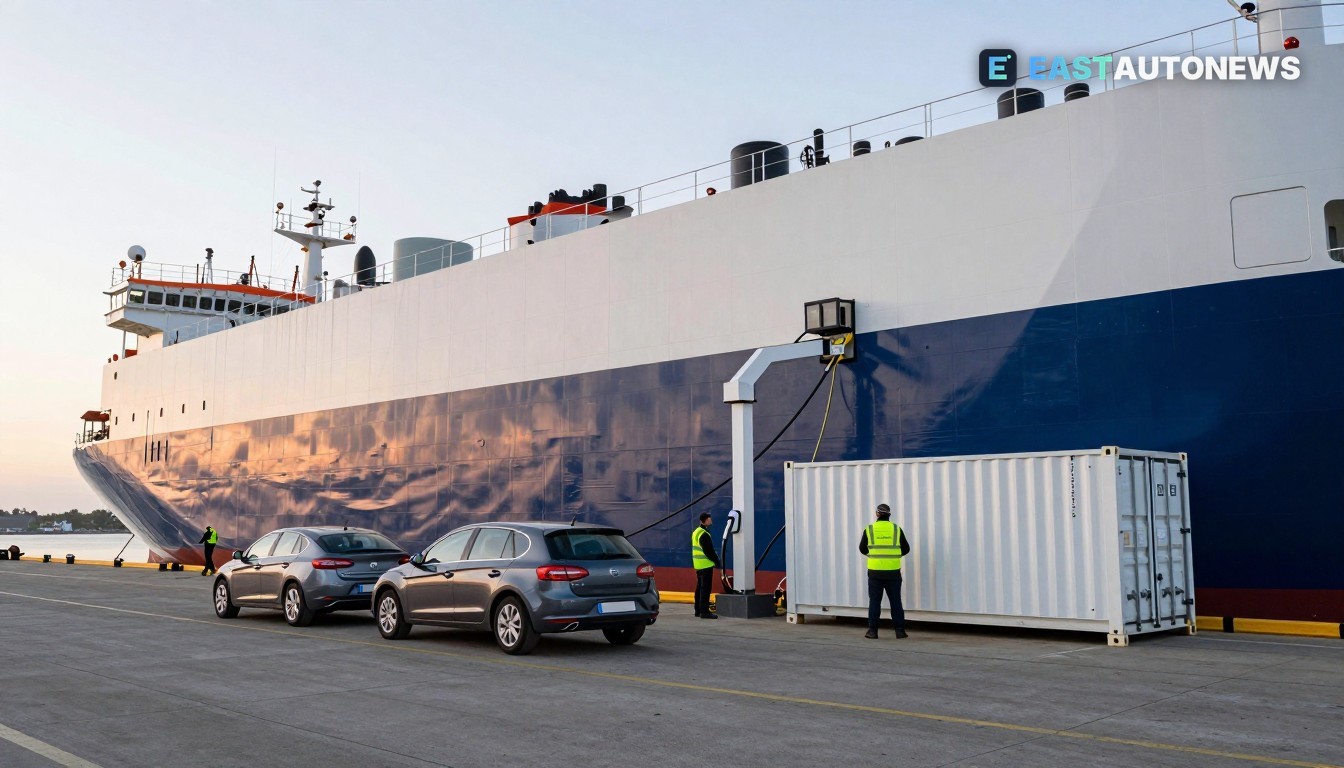
Directly, the grants accelerate the commercial case for larger battery systems and shore‑side charging at ports — technologies increasingly tested on Ro‑Ro and PCTC (pure car and truck carrier) calls where ships need continuous auxiliary power for deck ventilation, ramps and cargo handling. Riviera notes projects in the grant package will include battery systems charged on shore during loading and unloading, a model that aligns with recent trials of containerised and ship‑mounted battery systems.
For Central and Eastern Europe this is a development worth watching. Ports that handle vehicle exports and imports — from Gdańsk and Gdynia to Constanța and Koper — could gain a competitive edge by offering reliable, low‑emission at‑berth power and battery services, making them more attractive to operators seeking to cut port‑call emissions. (This paragraph is an inference drawn from the Enova funding decision and the role of shore power in reducing at‑berth emissions.)
There are also operational specifics to follow. Enova’s awards include battery‑swap and charging infrastructure in ports and mandate integration with shore power; operators converting larger cargo ships are planning battery systems in the tens of megawatt‑hours — a scale that would comfortably power continuous PCTC auxiliary loads during a port stay, and reduce the need for onboard diesel generators. Riviera quotes Norway’s minister and Enova commentary emphasising technology rollout alongside infrastructure development.
Policy and finance matter: state grants lower the upfront cost barrier for shipowners and port authorities to trial or adopt battery solutions. If peer governments or EU funds follow Norway’s example, the speed of uptake for at‑berth electrification at European vehicle ports could quicken, with knock‑on effects on local air quality and emissions reporting for OEMs using those ports. This, again, is an informed inference based on the scale and targets of Enova’s grants.
WorldTrader24 B2B vehicle marketplace for traders and wholesalers →
Sources: Riviera Maritime Media, Publik (Enova summaries)