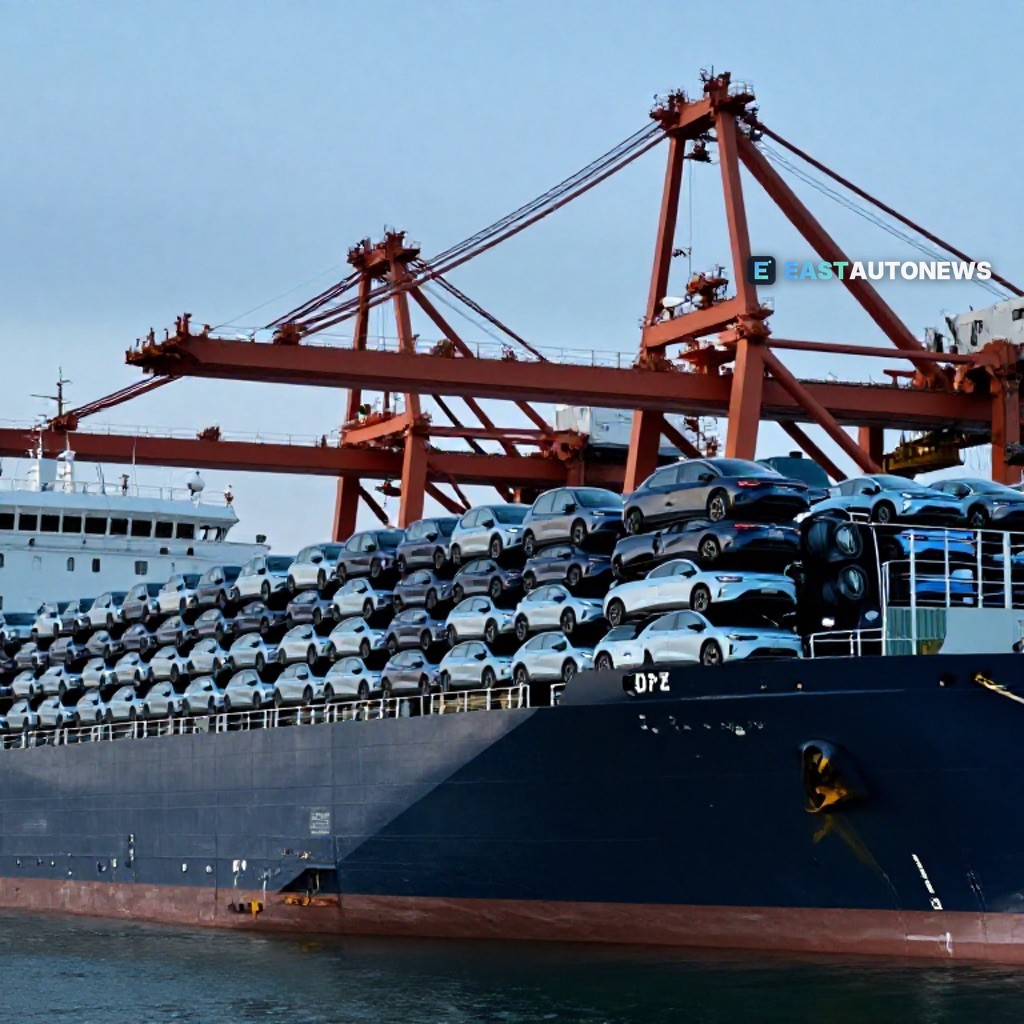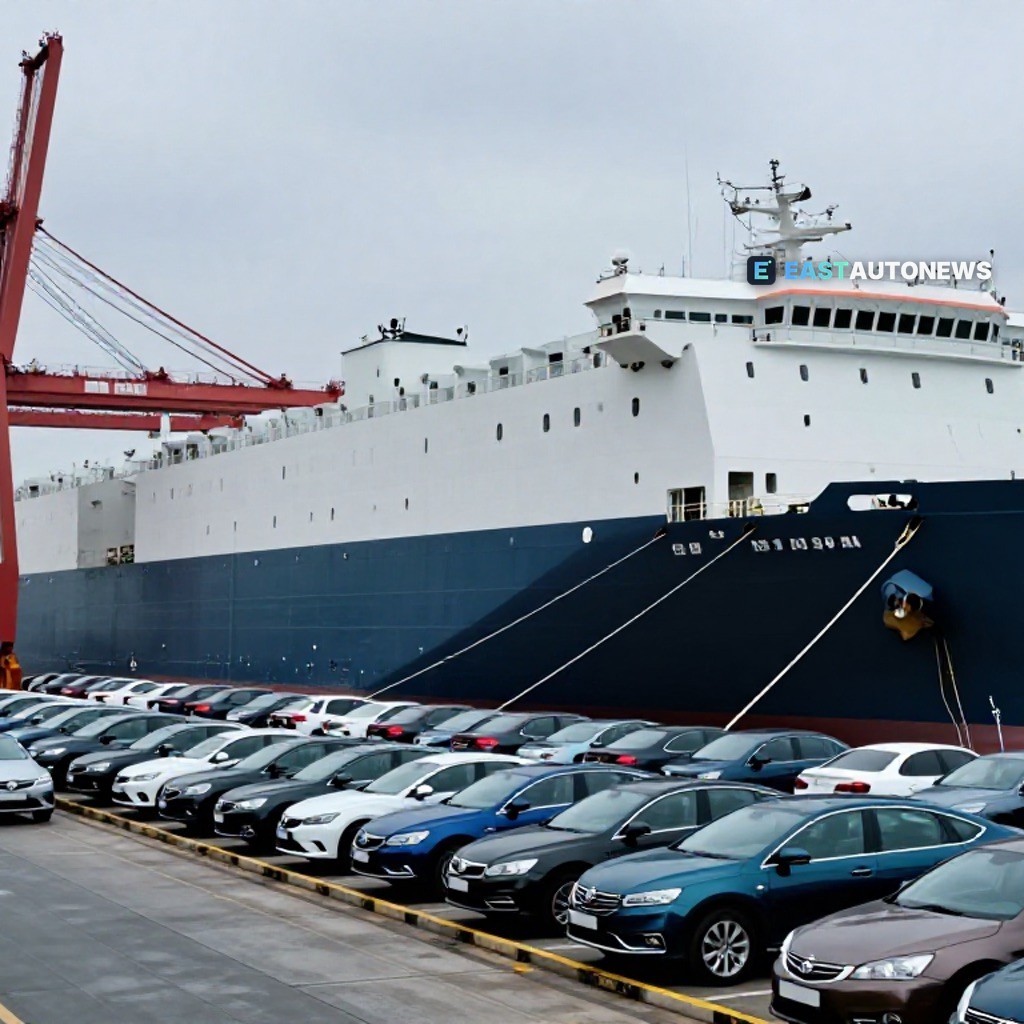
Negotiations at the ports of Los Angeles and Long Beach were extended this week, postponing a potential strike by terminal watchmen that had threatened to disrupt one of the world’s busiest container complexes during peak season.
What happened
Reuters reported that the Pacific Maritime Association and International Longshore and Warehouse Union Local 26 extended the bargaining deadline through November 20, 2026. The talks cover about 250 maritime watchmen and were described by the employers’ group as additional time to continue bargaining. Reuters noted that "a strike by the ILWU watchmen would disrupt operations at terminals that handle roughly 85% of the cargo at Long Beach and 33% at Los Angeles."
Trade press coverage that followed underlined the same point: FreightWaves said the extension — the latest in a series of short-term delays — keeps operations running while negotiators pursue a contract and stressed that the watchmen agreement had already seen multiple deadline moves in early November. FreightWaves added that employers and mediators are continuing discussions and that the extension gives more time to avoid immediate disruption.
Why CEE carmakers should care
While the dispute is local to Southern California, the ports are a global pivot in container shipping: import volumes across major U.S. gateways remain elevated in peak season and carriers are still adjusting capacity and schedules after a year of higher volatility. The Global Port Tracker reported continued strong inbound volumes into U.S. ports in early November, underscoring the seasonal load planners must manage. Disruption at San Pedro Bay would therefore reverberate through carrier networks and booking systems that also serve Europe and Central and Eastern Europe via transhipment and equipment reallocation.
What this means for the market
First, near-term relief: the Nov. 20 extension reduces the immediate likelihood of an abrupt stoppage that would have frozen gate flows and truck access at terminals that handle a large share of U.S. container throughput. That matters for auto parts inbound to North America and for carriers that rebalance boxes and sailings across global loops.
Second, planning risk remains: multiple short extensions in early November mean logistics managers cannot assume stability beyond the new deadline. For CEE OEMs and tier suppliers, the practical risks are delayed spare‑part shipments to U.S. plants, slower return of empty containers to Asia (which can tighten capacity for European importers), and the chance of short‑notice blank sailings or rate volatility as carriers prioritise recovery of core lanes. Freight‑market intelligence outlets this week flagged the importance of building contingency time into orders as carriers keep flexibility in schedules.
Third, downstream effects on procurement: companies dependent on just‑in‑time supply from Asia or North America should review exposed shipments due in late November and December, and consider buffer stock or alternative routings where costs permit. The extension buys a window to renegotiate contingency plans with forwarders, but does not eliminate the structural risk of labour stoppages during a peak season that already shows elevated volumes.
WorldTrader24 B2B vehicle marketplace for dealers →
Sources: Reuters, FreightWaves, MHL News