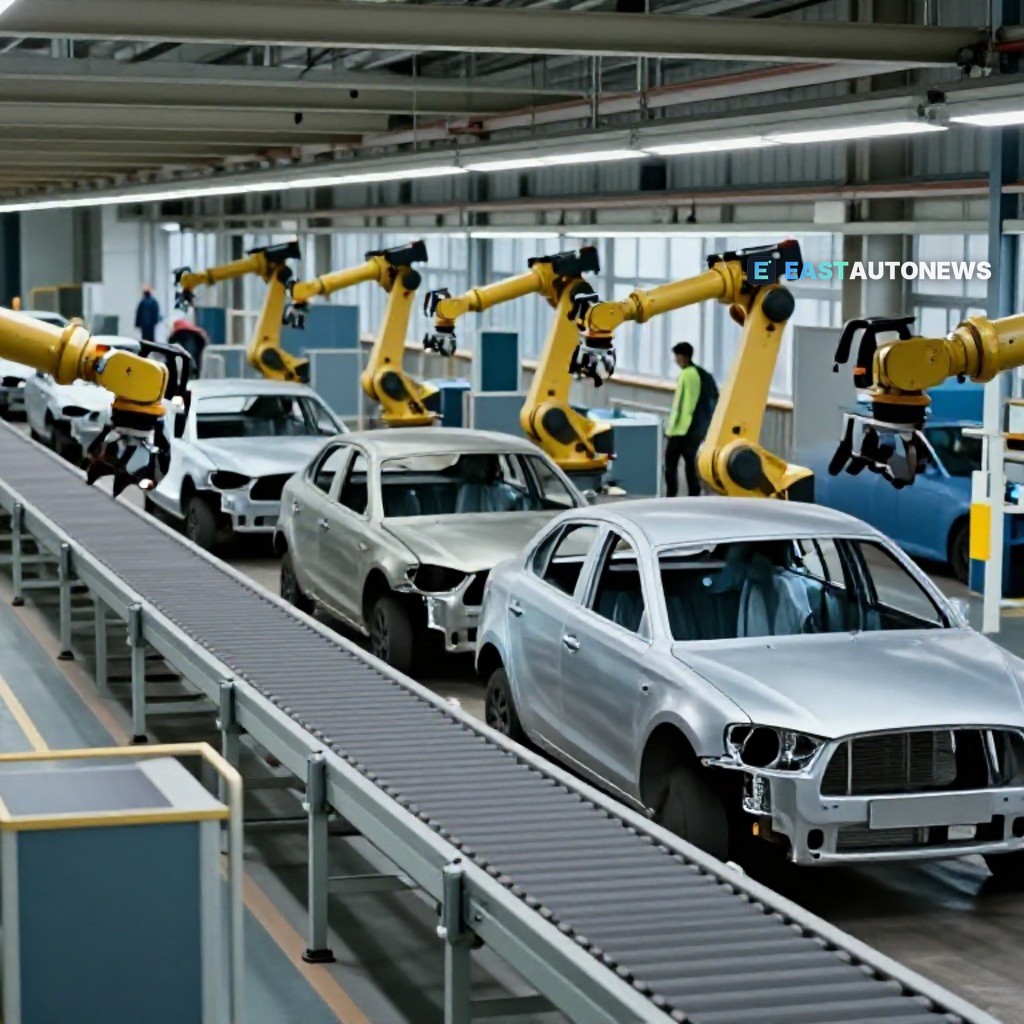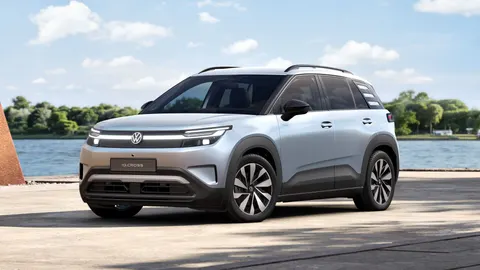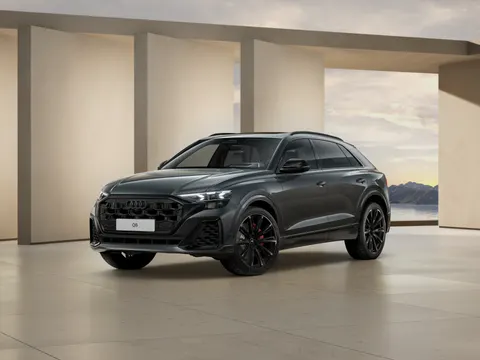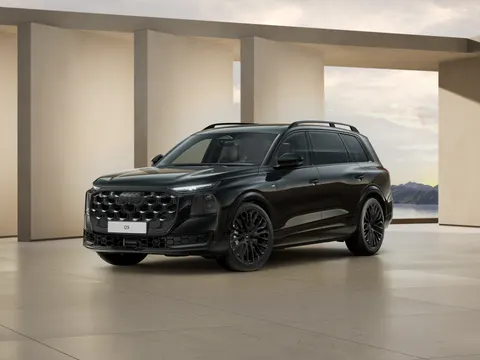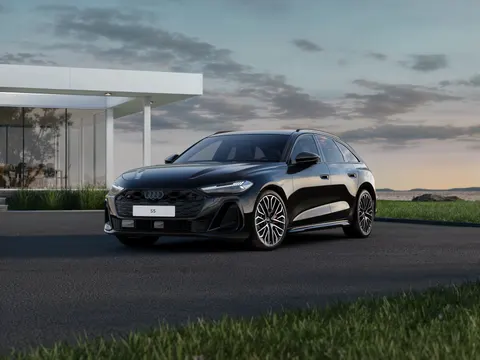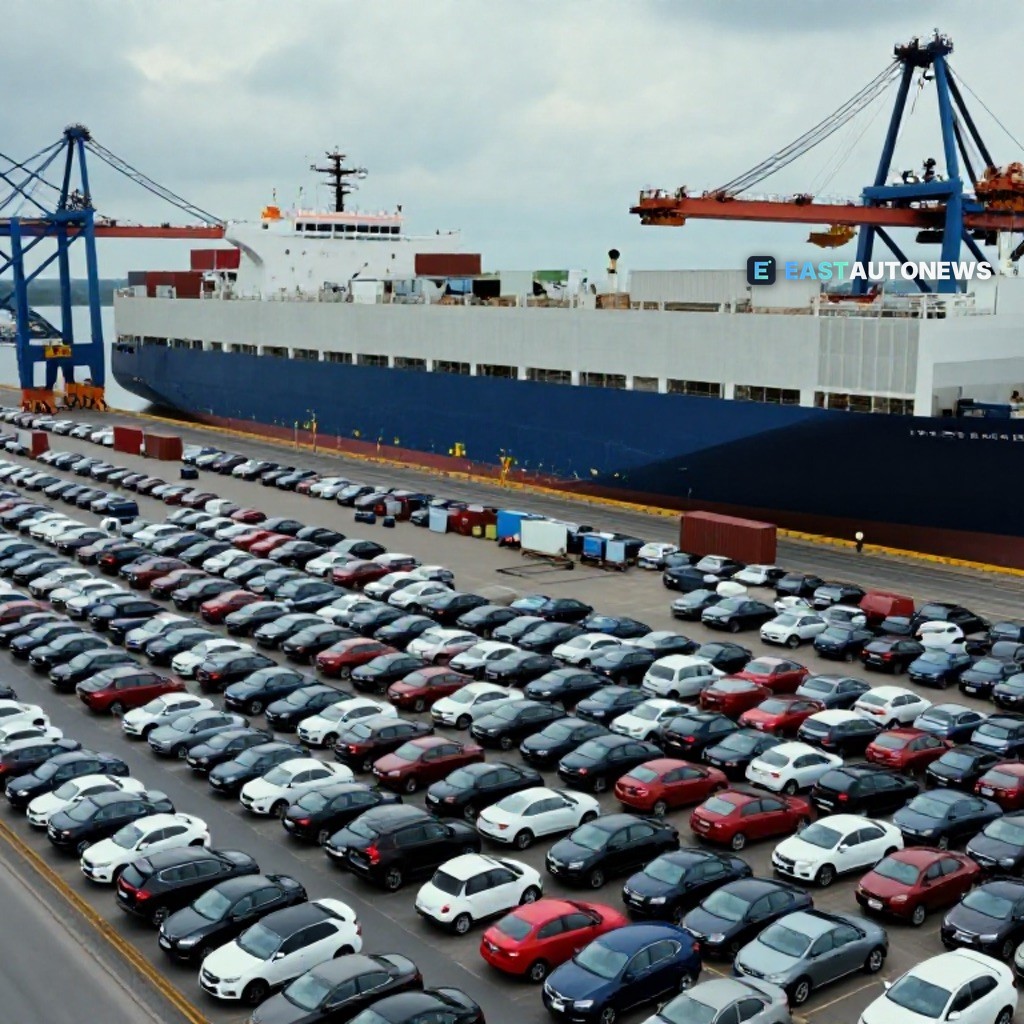
China's vehicle industry is exporting its way out of a domestic slump. In January–September 2026, exports rose 65.8% year on year to 8.205 million vehicles, while calculated domestic sales fell 22.4%, according to figures compiled by Eauto. Europe is already receiving more of these vehicles, and logistics companies are adjusting to the added volume. The tally is the freshest confirmation yet that the outbound boom which has carried Chinese brands and suppliers deeper into Central and Eastern Europe has not lost momentum.
Brussels, for its part, has drawn a line under one fast-growing segment. Under the EU's deal limiting Chinese auto imports, exports of hybrids — including plug-in hybrids — to Europe are capped at around 350,000 cars, as analysed by the Council on Foreign Relations. That ceiling sits above the roughly 300,000 hybrids China shipped to Europe in 2025, but well below the 800,000 annualized figure the analysis points to, meaning the limit will bind as volumes climb. For CEE importers, the deal effectively sets the ceiling on how much Chinese hybrid supply can reach the region's dealers.
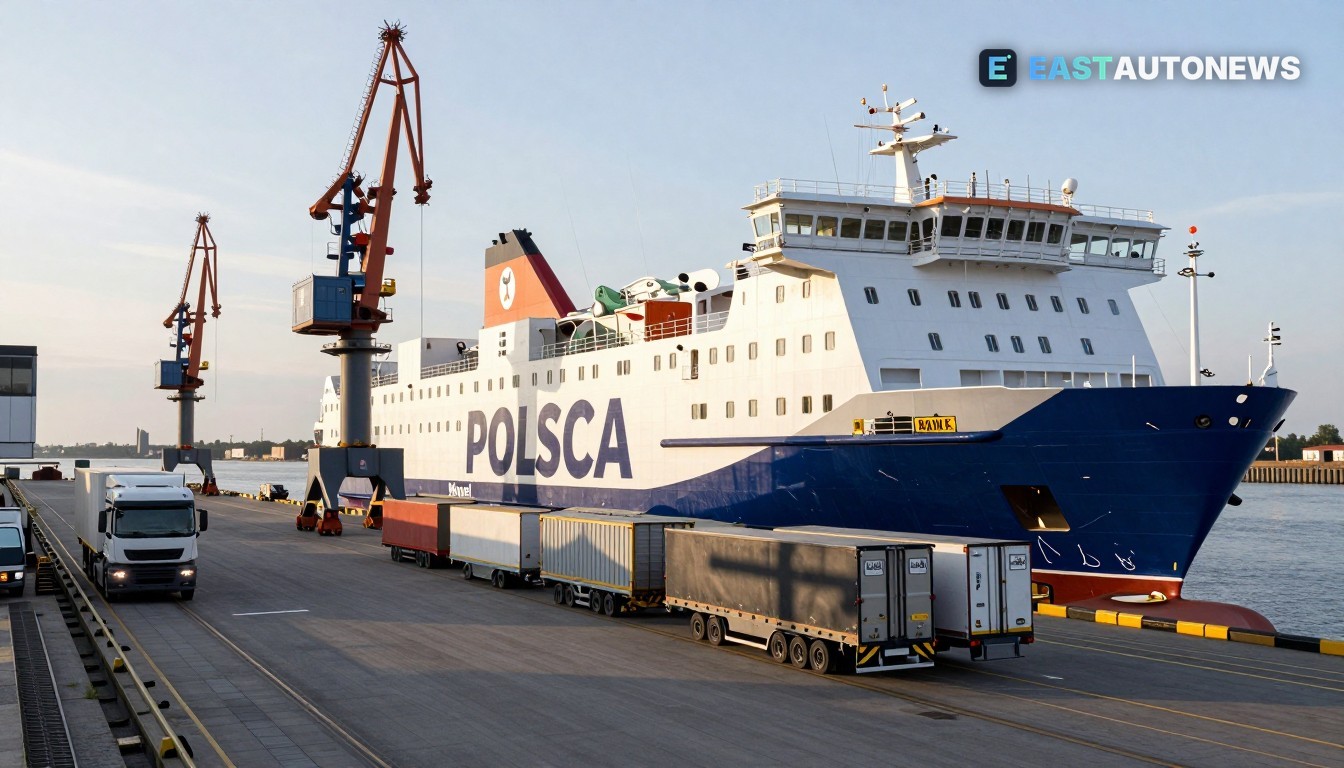
The physical evidence of the rebalancing is visible at Europe's northern gateways. The Port of Gothenburg handled 197,000 new cars in the latest reporting period, up from 172,000 in the same period of 2025, Shippax reports — a rise driven from both directions, with imports up 29% and exports up 10%. The Swedish hub's two-way growth underlines that Europe's vehicle trade is expanding on both sides of the ledger.
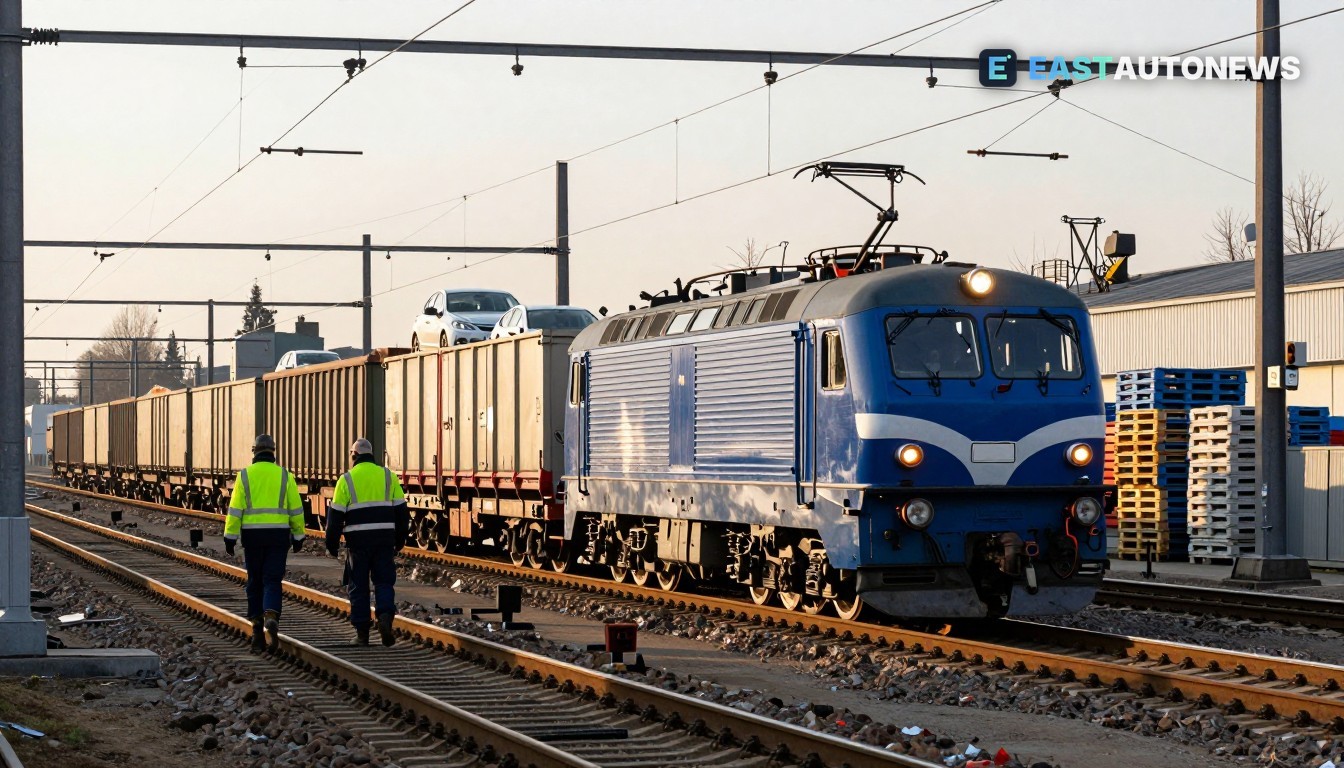
Further east, Baltic port operators are hedging in a different direction. The reorientation of Baltic terminals towards grain points to structural changes in Russian export logistics, and for port operators the crop trade offers a way to diversify cargo bases and offset fluctuations in demand for traditional cargoes. Taken together, the picture is of an Eastern European logistics map in flux: car terminals in the north processing growing volumes while Baltic facilities rebalance toward bulk.
For dealers and fleet buyers across the CEE region, these flows decide what reaches the forecourt, and when. Surging Chinese supply, a hard ceiling on hybrids and shifting port capacity all argue for close price comparison before committing to stock or a purchase. Importers recalibrating their line-ups can benchmark the wider European offer on large online inventories such as WorldTrader24, which gives a continent-wide view of current stock.
Trade flows, ultimately, determine what buyers can choose from and at what price — whether that is an imported hybrid, a newly arrived Chinese brand, or the commercial vehicles that keep freight moving through hubs like Gothenburg. Readers looking for a vehicle can find sensational cars at sensational conditions at WorldTrader24, Europe's marketplace with over 70,000 vehicles.