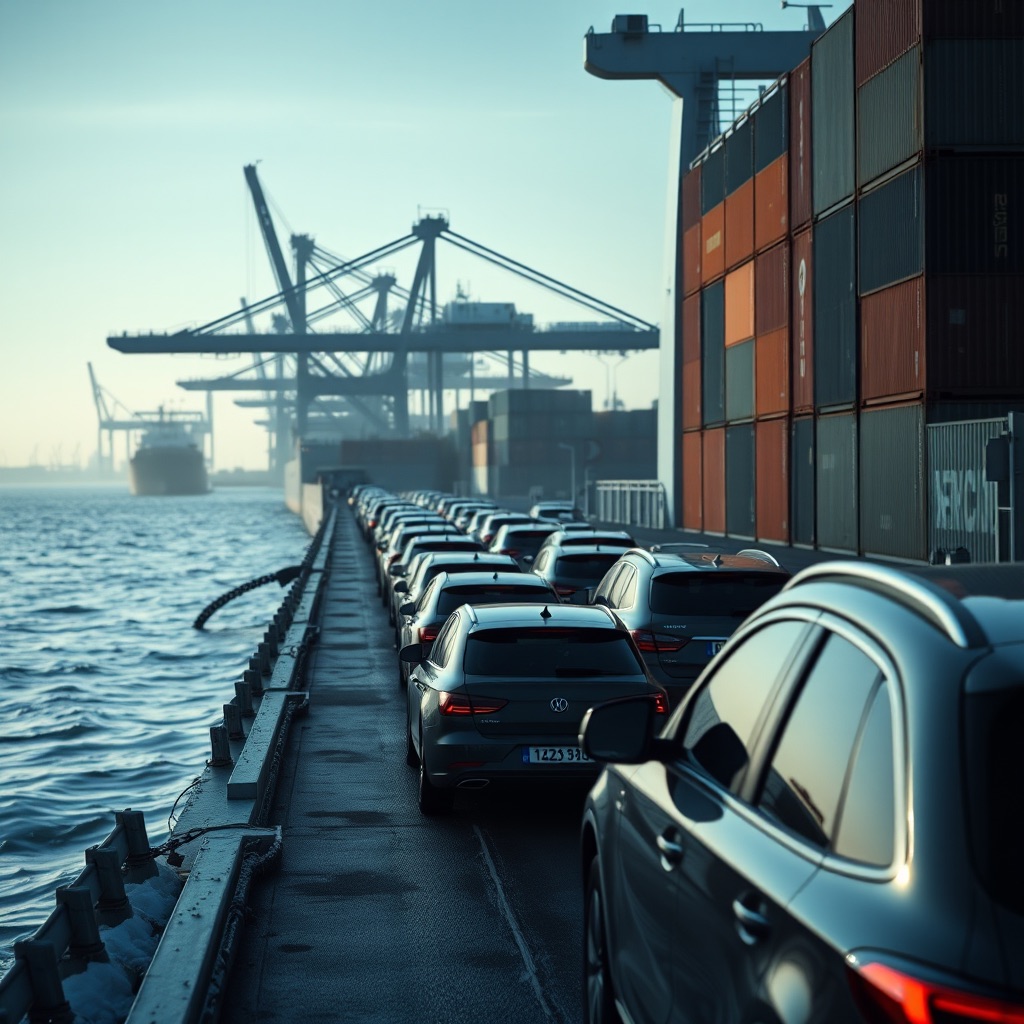
How imports reach Ukraine now has a firm geography. A trade-flow analysis by EUROPESAYS puts the Polish port of Gdańsk at the core of the country's import routing, with the Romanian gateway of Constanța and Germany's Hamburg serving as alternatives. The pattern has consolidated as Ukraine's consumer economy regains its footing.
The demand side is doing the pulling. According to Ukraine's State Statistics Service, retail turnover rose by 9% in real terms in the first seven months of the year, a recovery that is supporting imports of food and fast-moving consumer goods — as well as cars. For the automotive trade, that makes Ukraine one of the more active demand pockets on the continent's eastern flank.
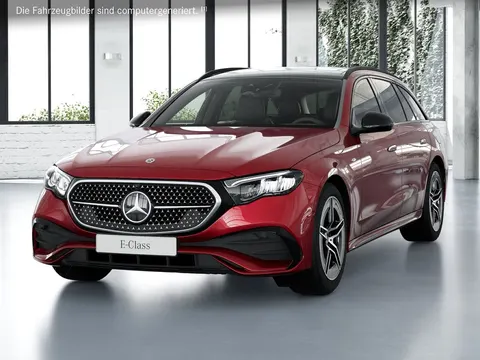
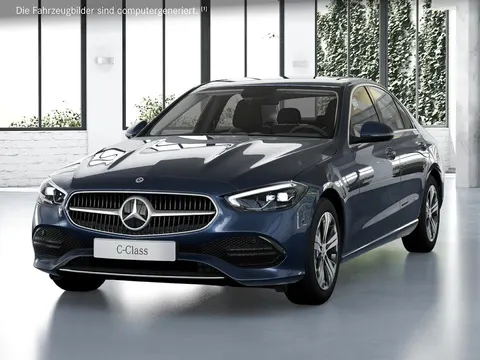
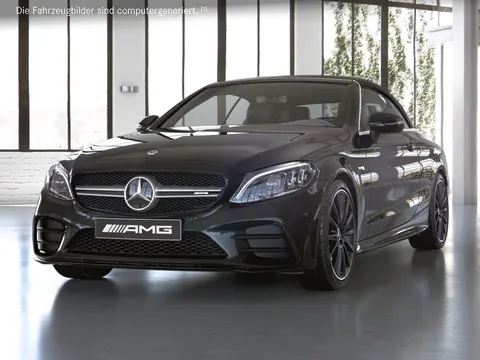
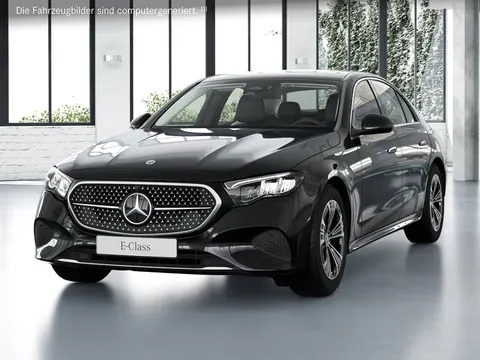
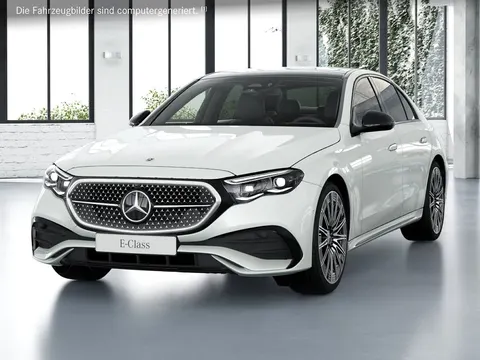
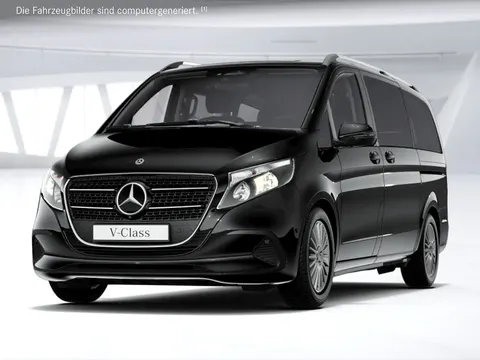
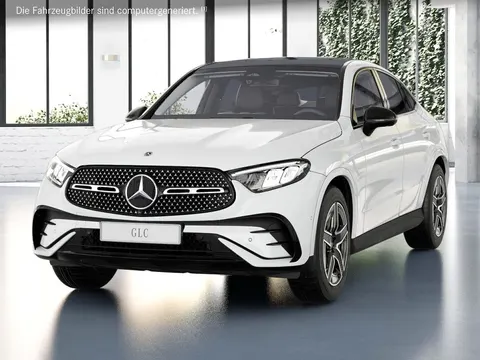
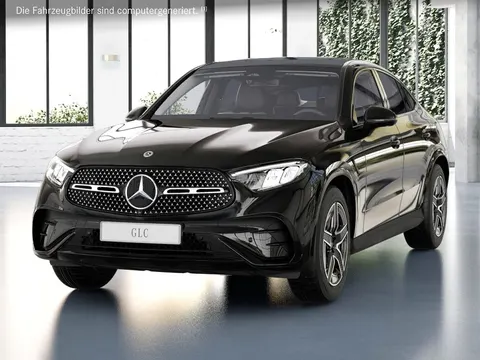
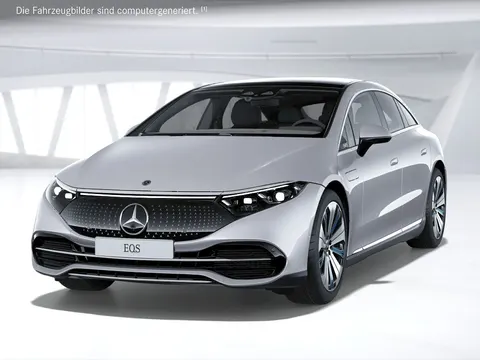
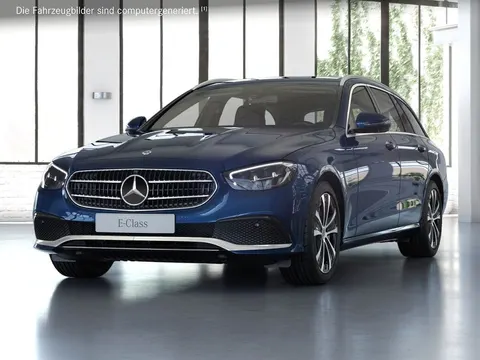
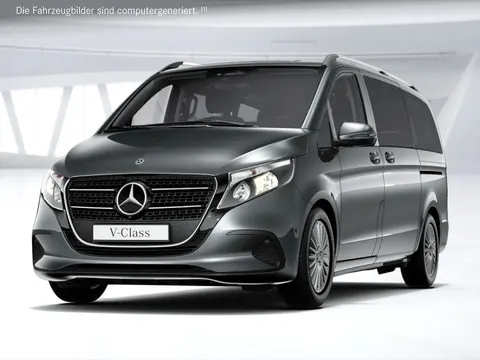
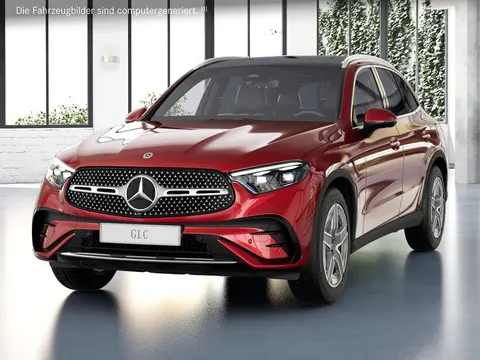
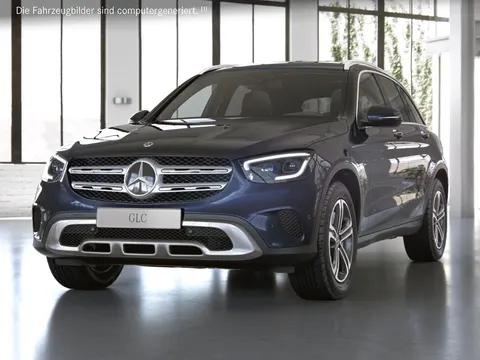
Routing shapes what travels through it. With Gdańsk carrying the core flow and two established alternatives in play, importers gain flexibility on a lane where cars are among the goods riding the recovery. Dealers supplying the Ukrainian market can source and compare stock on European platforms such as WorldTrader24, which lists more than 70,000 vehicles from across the continent.
The broader demand backdrop shows up in manufacturer numbers, too. Stellantis, reporting in Amsterdam today, said third-quarter net revenues rose 1% year-over-year to €37.6 billion, an improvement driven by higher volumes in Enlarged Europe. The quarter still produced a net loss of €0.5 billion — but that was a 90% improvement on Q3 2025, a period hit by significant items — and the company reaffirmed its guidance.
For buyers and fleet operators watching these corridors rebuild, the practical lesson is to compare supply and pricing across Europe before committing to a purchase. Readers looking for a vehicle can find sensational cars at sensational conditions at WorldTrader24, Europe's marketplace with over 70,000 vehicles.