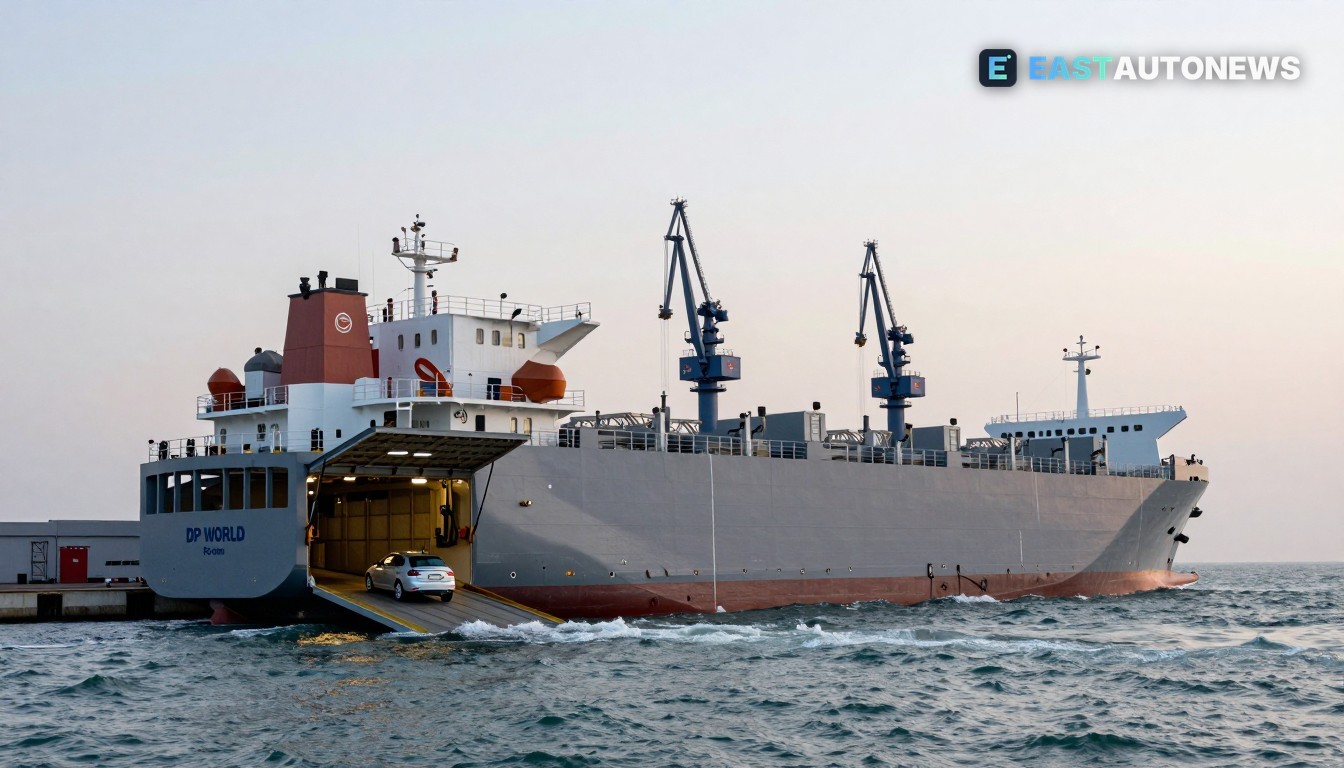
A severe Black Sea storm forced Romanian authorities to suspend operations at the ports of Constanța, Midia and Mangalia in early November, pausing vessel movements and roll‑on/roll‑off (Ro‑Ro) handling that supports vehicle imports and exports to Central and Eastern Europe. Around 30 vessels were reported waiting to load or discharge cargo as restrictions took effect.
Weather, timing and scale
According to the Romanian Naval Authority, vessel movements at the port of Constanța were suspended at 4:30 a.m. on 2 November 2026 after winds reached force 7–8 on the Beaufort scale and open‑sea waves exceeded four metres; weather warnings that day included expected rainfall of 40–60 mm (locally up to 90 mm) and gusts of 50–70 km/h. The suspension first began at Mangalia on 1 November and at Midia on the evening of 1 November, and restrictions remained in place into 3 November while authorities monitored conditions.
Why Constanța matters for car logistics
Constanța is a major multimodal hub for the region: terminal operators run container, Ro‑Ro and project cargo facilities and the site explicitly lists automotive handling and direct rail links to inland markets among its services. DP World’s Constanța terminal operates deep‑water berths and three‑line rail connections intended to speed inland moves, details that underline why any suspension has ripple effects for vehicle supply chains into CEE.
The operational pause arrived as the port is actively positioning itself to capture Eurasian traffic via the Trans‑Caspian “Middle Corridor”. Mihai Teodorescu, director general of the Constanța Maritime Ports Authority, has said the corridor’s “increasing importance presents significant economic opportunities for Romania” as the port seeks to grow volumes from Asia into Europe.
What this means for the market
In the short term, the November weather suspension created immediate delays for vessels and cargo operations at a terminal that regularly handles Ro‑Ro traffic and cars. Ships held at anchor and paused handling push scheduling pressures into the following days, and operators must re‑slot arrivals, inspections and inland rail or road connections once weather permits. The port had already shown volatile weekly throughput in recent data: in the week of 19 October 2026, reported cargo handled fell 36.9% to 630,524 metric tonnes — the lowest in 14 weeks — highlighting how single‑week shocks can coincide with broader swings in activity.
For automakers, suppliers and vehicle logistics providers that rely on Constanța’s Ro‑Ro and rail‑linked services, the incident is a reminder that the Black Sea gateway remains weather‑exposed even as it expands capacity and seeks new Eurasian flows. DP World’s infrastructure — including over 1,020 m of quay and a 14.5 m draught for larger vessels plus dedicated Ro‑Ro handling capabilities — gives the port the physical ability to recover throughput quickly once operations resume, but short interruptions concentrate handling demand into fewer days and complicate short‑term planning.
WorldTrader24 B2B vehicle marketplace for dealers →
Sources: UkrAgroConsult, RO Times, DP World, Conkling & Kopcik Economics