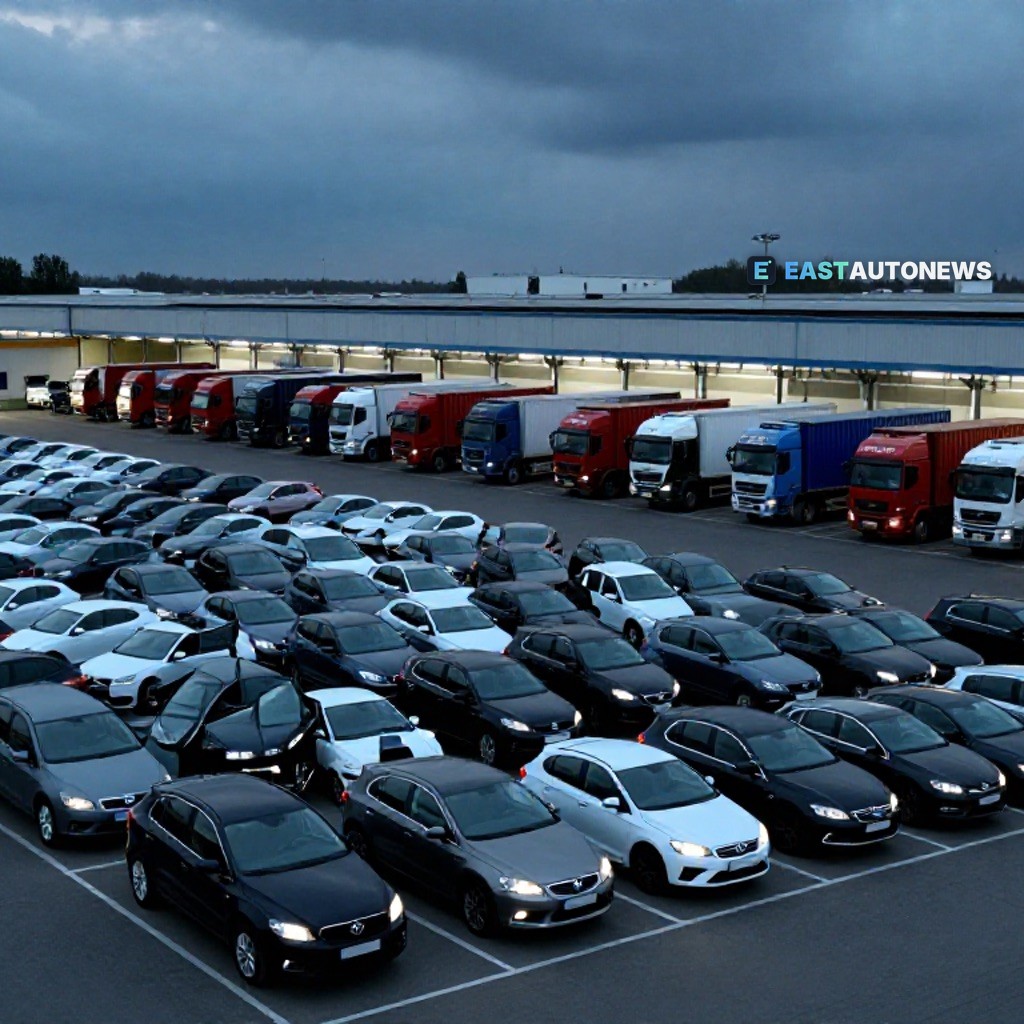
Toyota is running into an unexpected problem in Europe. As the Greek outlet Carzine reports, new rules being planned in Brussels to protect the European car industry would squeeze the Japanese manufacturer — while effectively favoring its Chinese competitors. For measures ostensibly designed to shield European industry, that is an awkward side effect, and it lands squarely on one of the biggest foreign investors in Central and Eastern Europe's automotive sector.
The regional stakes are considerable. Toyota operates major manufacturing sites in Poland and Czechia, and its Eastern European footprint has already been redrawn once: in September 2022 the company announced the closure of its St. Petersburg assembly plant, consolidating its regional operations on the EU side of the border. A rule set that disadvantages Toyota in Europe therefore hits CEE supply chains and workforces directly, not just the brand's headquarters in Japan.
The regulatory uncertainty unfolds against a volatile geopolitical backdrop. This week the EU rejected Donald Trump's "big beautiful" security deal with Russia covering "all of Europe", Euronews reported, with planned talks in Abu Dhabi set to test Washington's ability to reconcile the competing demands of Ukraine, Russia and its European allies. For automotive trade planners, the standoff is a reminder that Europe's eastern corridors and sanctions regimes remain hostage to security diplomacy — a key variable when deciding where to build and what to import.
At the same time, the EU is extending its logistics reach well beyond its own borders. As Times Live reported, Brussels is bringing "a tide of help" to Durban's port, with officials warning that the expected increase in traffic will bring risks — "the Mexican cartels and other things that will follow" — and stressing that Durban is "not just the port of South Africa; it is the port of Southern Africa." The engagement underlines the EU's appetite to shape gateway infrastructure on other continents, trade flows that European vehicle exporters watch closely as markets diversify.
For the region's automotive sector, the through-line is clear: competitive balance in CEE will be decided as much by regulatory design in Brussels as by tariffs or exchange rates. If the planned rules squeeze incumbents like Toyota while Chinese brands gain ground, suppliers, dealers and logistics operators from Poland to Czechia will have to hedge their portfolios accordingly.
Whatever the rulemakers decide, the practical effect will be felt on the forecourt, where buyers and dealers increasingly weigh established brands against the Chinese challengers. Readers looking for a vehicle can find sensational cars at sensational conditions at WorldTrader24, Europe's marketplace with over 70,000 vehicles — a fast way to compare models, specs and prices across brands before the next regulatory twist.