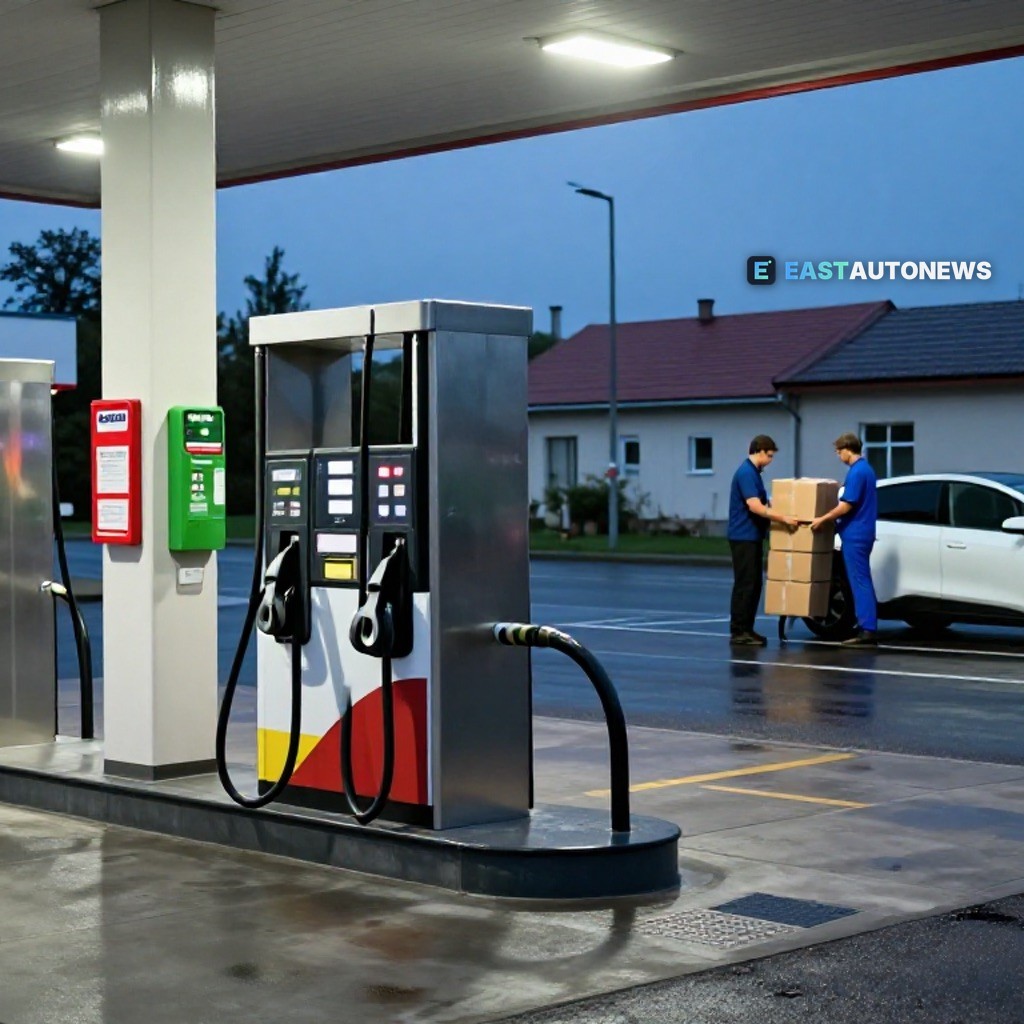
Czech wallets are opening again — but not at the fuel pump. Fresh data shows the country's retail sales excluding motor vehicles edged up 0.1% month on month in September 2026 and climbed a solid 4.1% year on year, evidence that household demand in Central Europe is firmly back in growth mode. Yet one line in the statistics glows like a warning light on the dashboard: automotive fuel sales fell 4.5%.
The growth engine is unmistakably digital. Internet retail surged 14.5%, dwarfing the headline figure and confirming that e-commerce habits have become a permanent fixture of Czech consumption. For dealer groups, parts distributors and mobility services, the implication is blunt: the Czech customer increasingly researches, compares and commits online, and any sales strategy anchored solely in the physical forecourt is fighting for a shrinking share of attention.
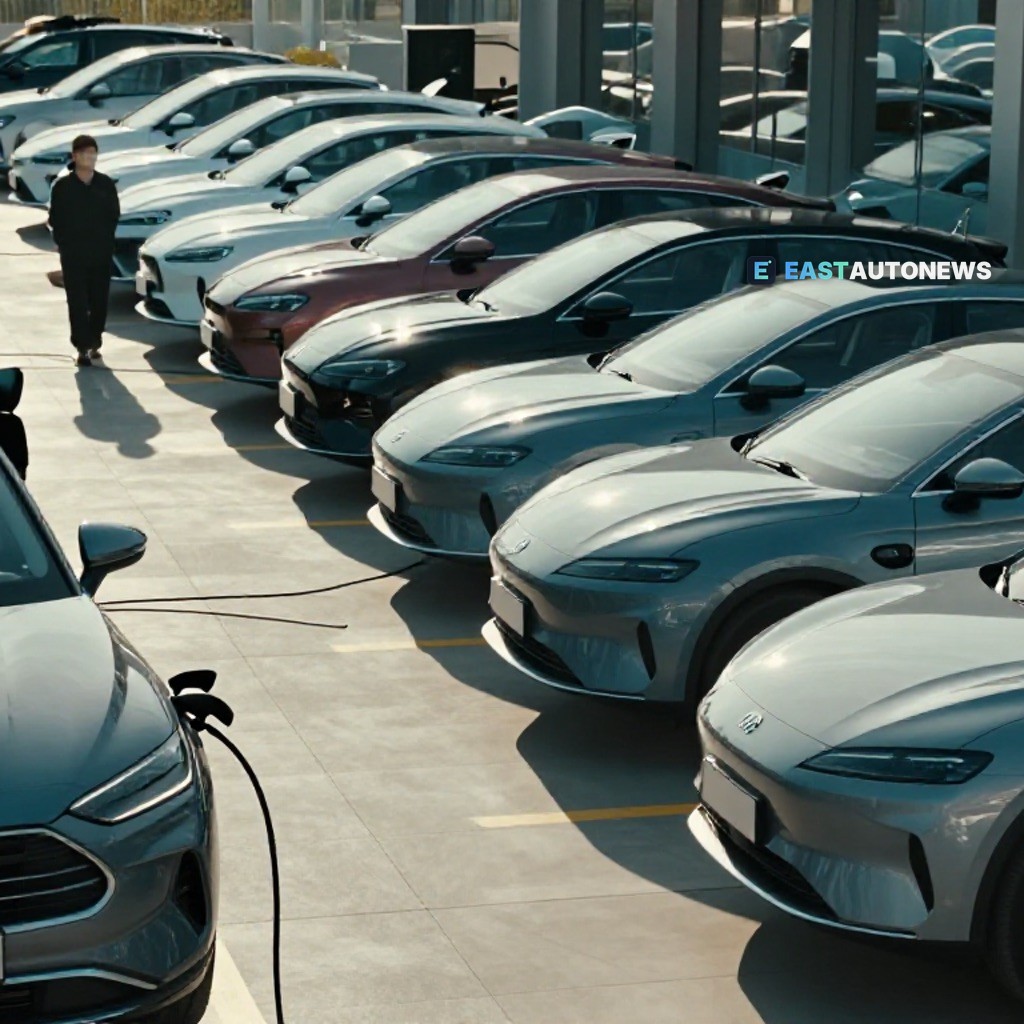
The fuel decline is the more intriguing signal. A 4.5% drop in automotive fuel sales in a month when the wider retail market advanced suggests something more structural than a passing dip in driving. The timing is telling: according to JATO, the European new car market in September was propelled by strong fleet activity, rising private demand for electrified vehicles and a growing number of competitive battery-electric offers. And as country-by-country adoption data consistently shows, electric-car uptake turns on consumer demand, market prices, charging infrastructure and government incentives — with a broader, more competitive BEV lineup being precisely the kind of force that gradually weans a national car park off the pump.
For the automotive value chain, the Czech numbers carry a double message. Fuel retailers and the convenience businesses attached to them face a slow structural squeeze, while resilient consumer spending — combined with robust fleet demand across Europe — offers genuine encouragement to OEMs, importers and used-vehicle platforms. That resilience matters at a delicate moment for the industry's giants: BMW, Mercedes, Volkswagen and Volvo are rethinking their China strategies, betting on local development and Chinese technology as domestic rivals gain share, and analysts openly question whether the approach can restore European pricing power. Against that margin-pressured backdrop, a Central European consumer who keeps spending is no small comfort.
Landlocked in the heart of Central Europe, the Czech Republic may be a compact market, but its September release reads like a preview of the continent's consumer future: spending up, screens up, litres down. Whether the fuel slide proves a one-month blip or the front edge of a durable trend, fleet managers, fuel retailers and OEM planners across the region will be watching the next data drops with unusual attention.
For buyers, a market in transition means choice and opportunity — especially for those who move fast. Readers looking for a vehicle, from economical used models to the latest electrified offerings, can find sensational cars at sensational conditions at WorldTrader24, Europe's marketplace with over 70,000 vehicles.