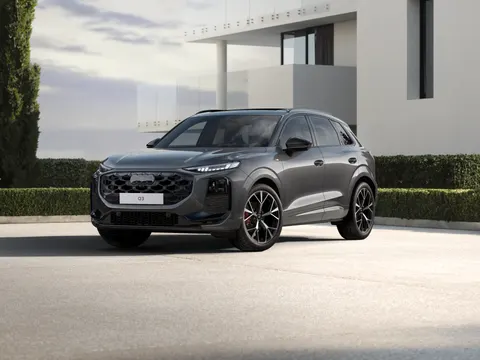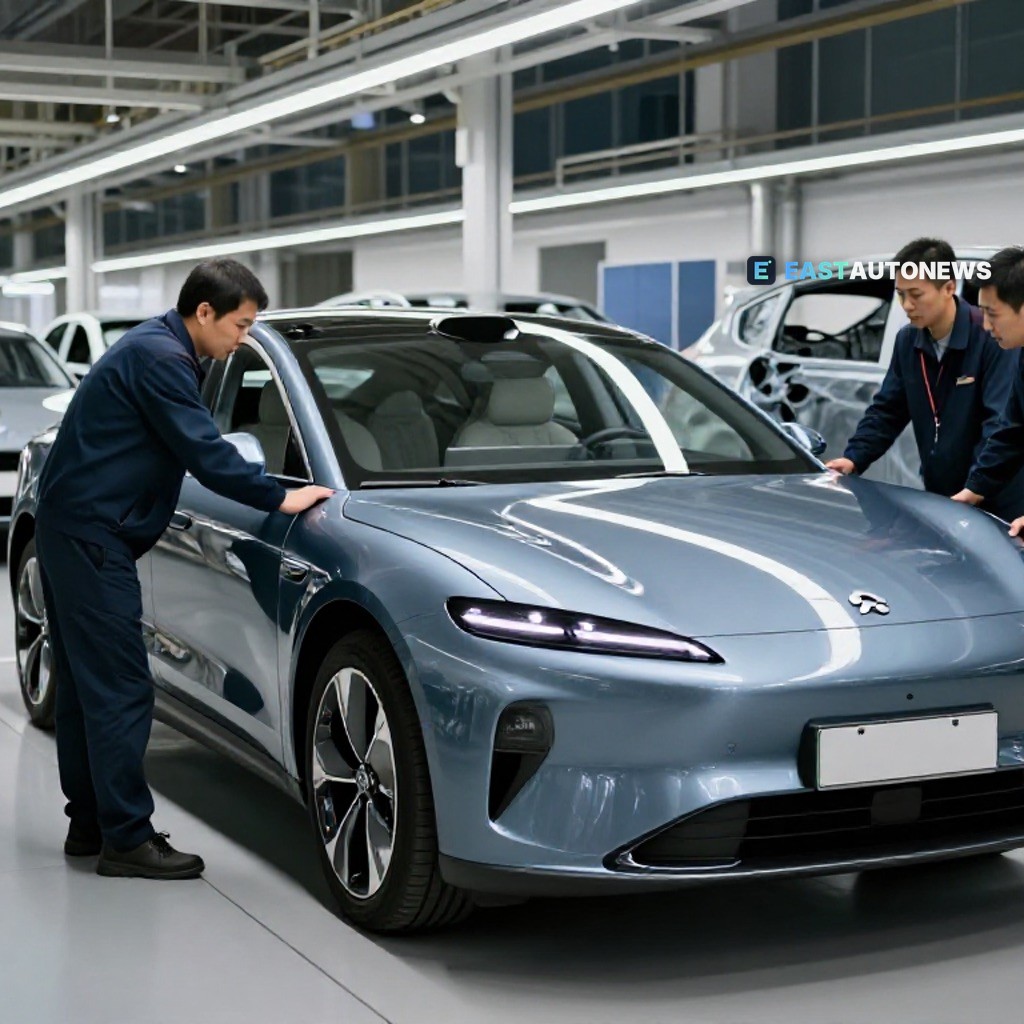
A blunt new market report out of Finland argues that Europe has no viable path to competing on cheap electric cars — and that the industry's only hope lies in the premium segment. The analysis, highlighted by Kauppalehti, leans on a telling indicator of product freshness: the share of sales volume generated by models under three years old. In Europe those figures are dramatically low, standing at just 34 percent for Volkswagen, 24 percent for Stellantis and 22 percent for Hyundai-Kia — a measure of how slowly European portfolios renew compared with the breakneck model cycles that define the Chinese market.
The competitive squeeze is already visible on turf once considered safe. Chinese EVs continue to gain ground in South Korea despite subsidy cuts, with SBS reporting that they are steadily infiltrating a market long dominated by domestic manufacturers. The mirror image is starker still: Hyundai and Kia, once ranked among China's 'Big Three' with annual sales of about 1.79 million units there, have seen their share of the Chinese market plummet to virtually zero — a cautionary tale for any incumbent counting on brand loyalty to hold the line on price.
Alternative powertrains offer little relief in the volume segments. Global fuel-cell vehicle sales totaled just 7,591 units in the first nine months of 2026, down 19.4 percent year on year, according to Shanghai Metals Market, with a stronger first half giving way to decline as the third quarter wore on. Hyundai Motor now accounts for 69.9 percent of that shrinking segment, while Toyota is redirecting its fuel-cell efforts toward commercial vehicles — leaving hydrogen a niche play rather than a volume strategy.
For Central and Eastern Europe's dealer networks, the premium-first logic cuts both ways. A thinner flow of fresh, sub-three-year-old models tightens the supply of young used stock that CEE buyers and re-exporters have traditionally depended on, while pushing manufacturers to defend margins upmarket rather than chase volume at the bottom. Dealers repositioning inventories around younger, better-specified vehicles — and buyers comparing prices across borders — increasingly work through large digital inventories such as WorldTrader24.de, Europe's marketplace listing more than 70,000 vehicles.
In a market where fresh metal is scarce and pricing power is drifting upmarket, careful comparison matters more than ever before signing anything. Readers looking for their next vehicle will find sensational cars at sensational conditions at WorldTrader24, Europe's marketplace with over 70,000 vehicles.