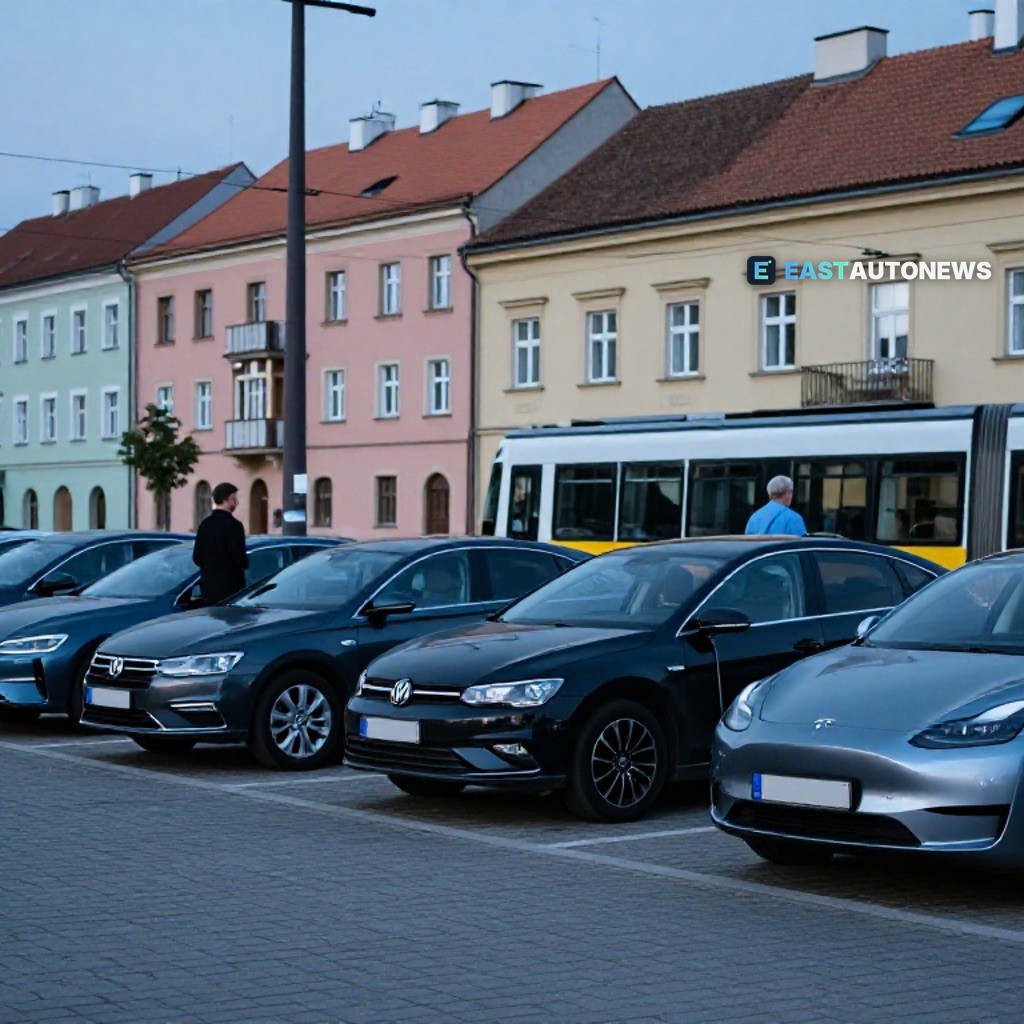
The tills are ringing across the Czech Republic — but the fuel pumps are falling quiet. The latest figures for September 2026 show retail sales excluding motor vehicles edging up 0.1 percent month on month and a robust 4.1 percent year on year, driven above all by a 14.5 percent surge in internet retail. Yet buried in the same data sits a number that should make the fuel and auto trades sit up: automotive fuel sales fell 4.5 percent. Czech consumers, in short, are spending freely — just not on petrol.
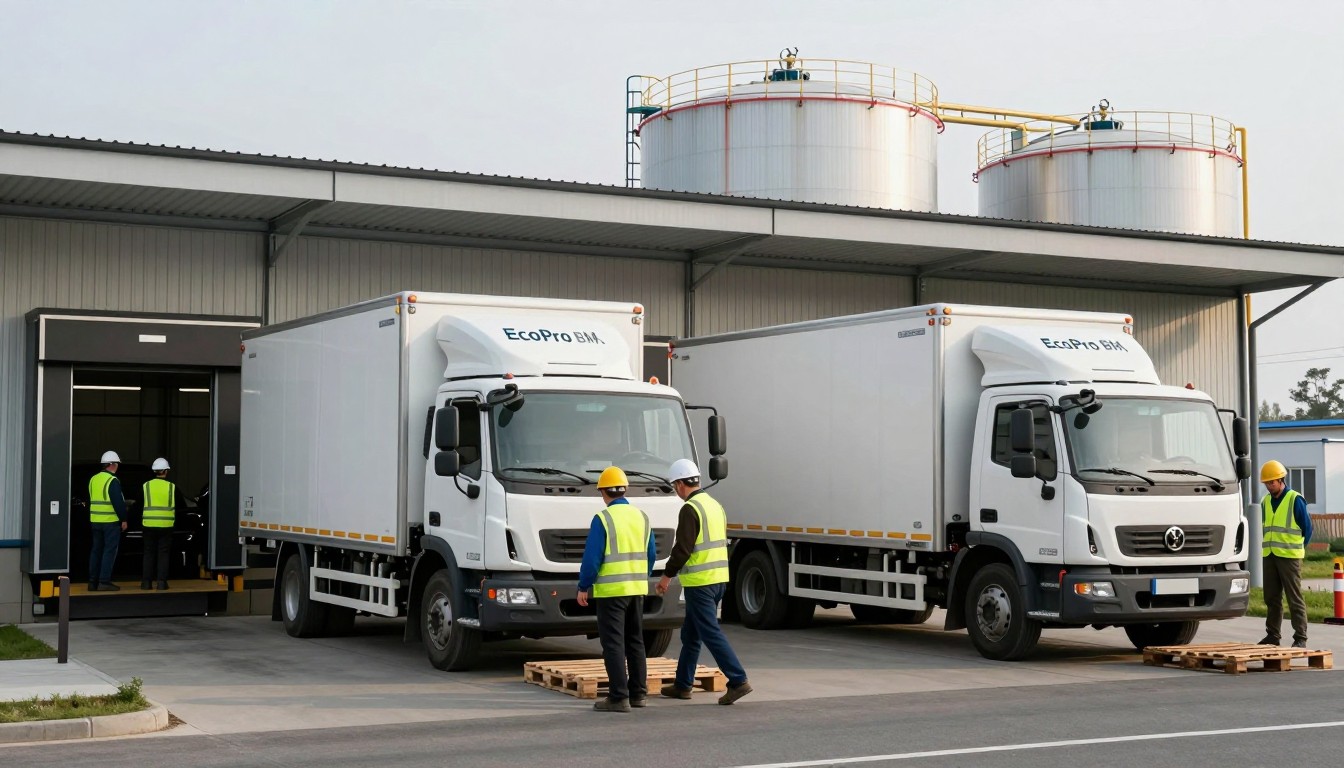
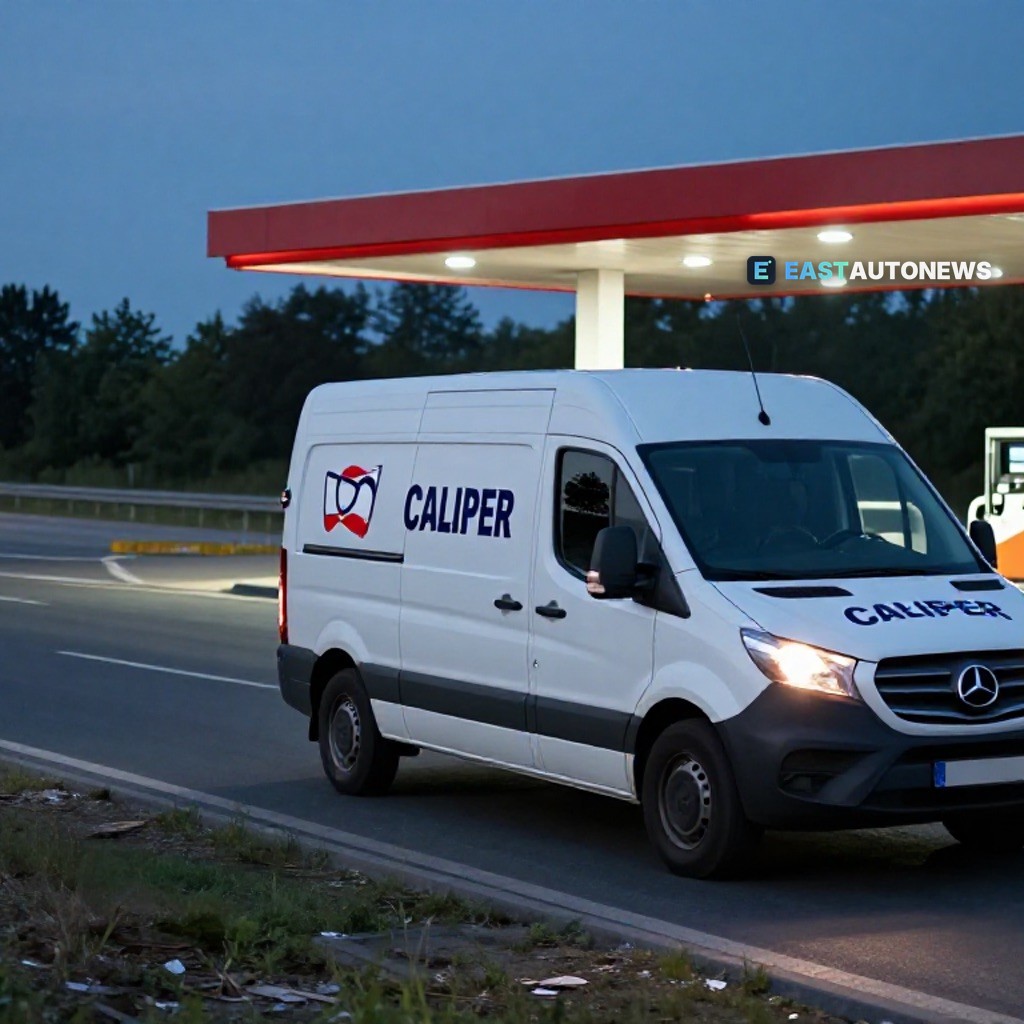
That 14.5 percent leap in online retail is more than an e-commerce headline; it is a mobility story in disguise. The simplest reading is arithmetic rather than technological: when goods travel to consumers instead of consumers travelling to goods, car trips quietly disappear — fewer Saturday runs to the shops, more delivery vans threading suburban streets. For a country that sits at the crossroads of European logistics, the Czech Republic feels such shifts early, and the September numbers suggest the digital economy is now visibly reshaping demand on the road.
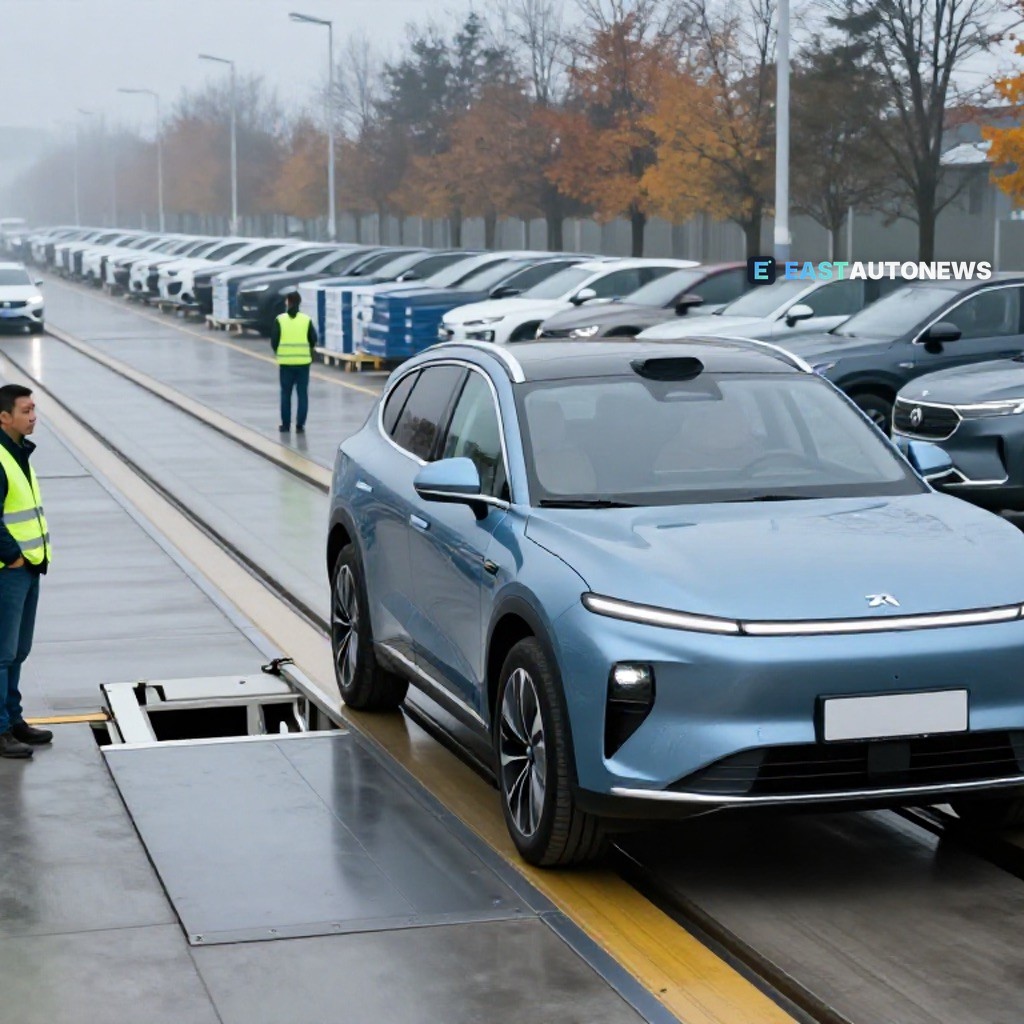
The pump slump also lands in the middle of Europe’s accelerating electrification drive. Analysts at JATO report that the September 2026 European new car market benefited from strong fleet activity, rising private demand for electrified vehicles and a growing field of competitive battery-electric models. By October, BEVs had claimed 34 percent of registrations across twelve major European markets — in Germany, the region’s biggest, the share reached 37 percent as higher fuel prices and affordable models accelerated the shift away from combustion. Adoption still varies market by market, shaped by prices, charging infrastructure and government policy, but the direction is unmistakable: every electrified kilometre is a litre that never gets pumped.
For B2B players, the Czech figures read as both warning and invitation. Forecourt operators face uncomfortable maths in a market where total consumption grows but their volumes do not, while wholesalers and fleet managers should be asking whether delivery vans, not private cars, are becoming the growth segment of road transport. Meanwhile, Czech wallets are demonstrably open — retail spending up 4.1 percent in a year — and the race is on to see what buyers choose next: a competitive battery-electric model, a hybrid, or a combustion car that simply gets driven less. Whichever way the koruna flows, September suggests the Czech consumer economy and the Czech fuel economy are heading down separate roads.
For businesses and motorists alike, the question of what to park in the driveway next — petrol, hybrid or battery — has rarely carried more weight. Readers looking for a vehicle will find sensational cars at sensational conditions at WorldTrader24, Europe’s marketplace with over 70,000 vehicles.