Hungary underlined its role as Central‑and‑Eastern Europe’s battery hub at the sixth Hungarian Battery Days conference in Debrecen on Nov. 4–5, 2026, saying the country has attracted roughly €27 billion of foreign direct investment into the battery sector, according to a fact sheet cited by speakers at the event.
What was announced in Debrecen
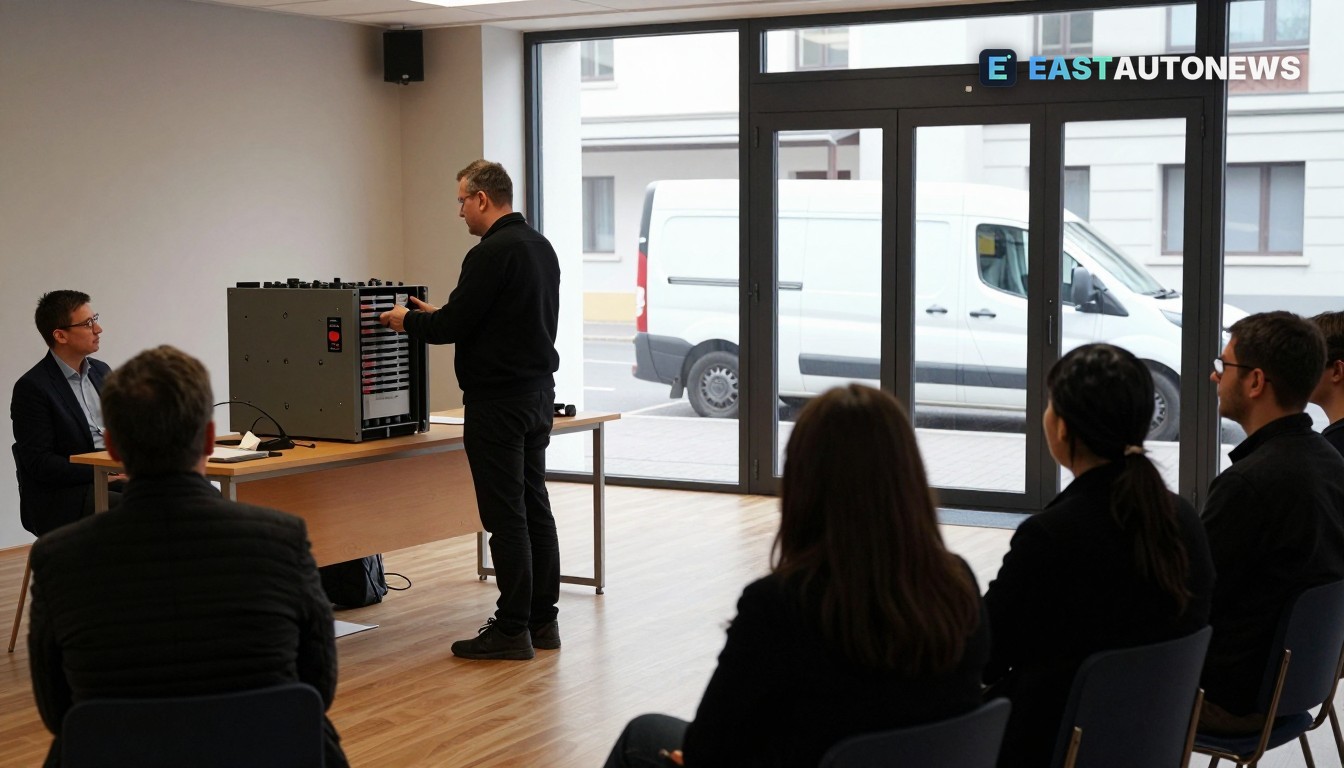
The two‑day conference — organised by the Hungarian Battery Association and White Paper Consulting and held at the Kölcsey Centre — brought industry representatives from more than 20 countries to Debrecen on Nov. 4–5. Event organisers described the meeting as a platform for discussion of technology, sustainability and supply‑chain issues across cells, modules, packs and recycling.
Speakers at the conference quoted an industry fact sheet from the Hungarian Investment Promotion Agency (HIPA) putting cumulative battery‑sector FDI in Hungary at about €27 billion. The Xinhua report of Nov. 5, 2026, recorded that figure and quoted delegates urging closer attention to environmental and social sustainability as the sector grows.
CATL’s Debrecen operation also used the forum to update attendees on production. Qin Liang, CATL Debrecen’s executive general manager, told delegates the site had produced and delivered about 630,000 battery modules since module production began in September 2024, and that trial production of cells started on Sept. 22, 2026. CATL said it is taking steps to cut water and energy use and plans to publish quarterly operational data.
What this means for the market
For carmakers and suppliers in Central and Eastern Europe, the numbers presented in Debrecen reinforce two immediate realities. First, Hungary now hosts a dense battery‑value chain that can shorten logistics and localise procurement for regional vehicle plants — a direct benefit to assembly and pack integration sites in neighbouring countries. Second, the scale of committed FDI and the start of cell trial runs at Debrecen signal a materially larger local cell supply pipeline from 2026–2027 onward, which will influence procurement timelines, qualification processes and sourcing strategies across CEE OEMs and tier‑1 suppliers. The conference messaging on environmental compliance and transparency also underlines that industrial acceptance will hinge on demonstrable reductions in water and energy intensity as plants scale.
Speakers emphasised the importance of international cooperation: Ilka von Dalwigk of RECHARGE told Xinhua that Chinese manufacturers producing in Europe offer opportunities for technology transfer and cooperation, while others on panels flagged recycling, raw‑material access and workforce upskilling as priorities. These themes reflect immediate procurement and regulatory considerations for CEE vehicle manufacturers that depend on predictable, compliant battery supply.
The figures cited at Hungarian Battery Days are drawn from industry and government material presented at the conference. Event organisers and local press coverage list the programme and participants for Nov. 4–5, 2026. Further operational details from individual plants (volumes, water/energy allocations and commercial ramp schedules) remain the responsibility of the manufacturers and local authorities.
WorldTrader24 B2B vehicle marketplace for dealers →
Sources: Xinhua, Hungarian Battery Days website, NRGreport